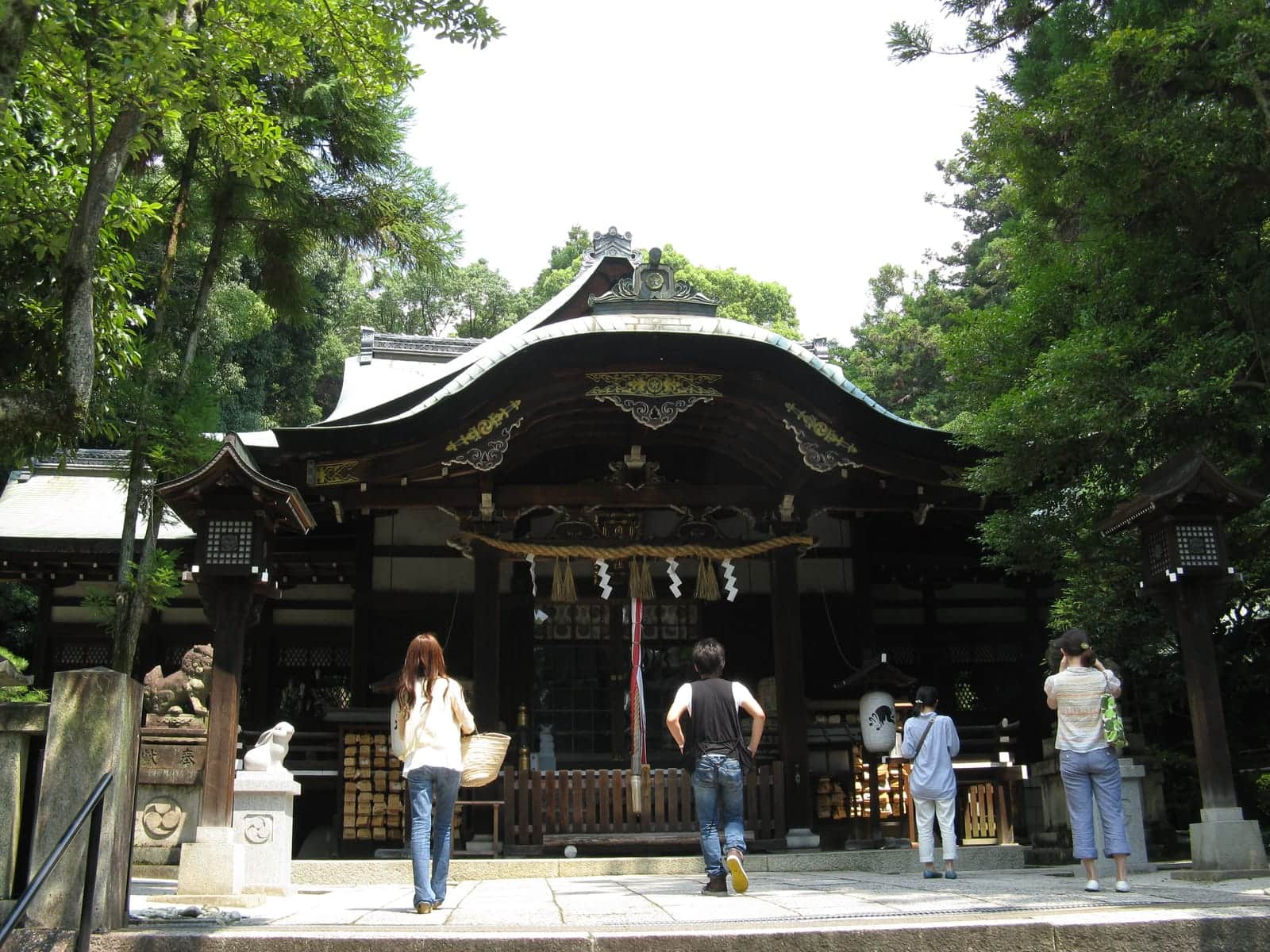
Visit early on a weekday to avoid the groups that arrive after noon.
概览
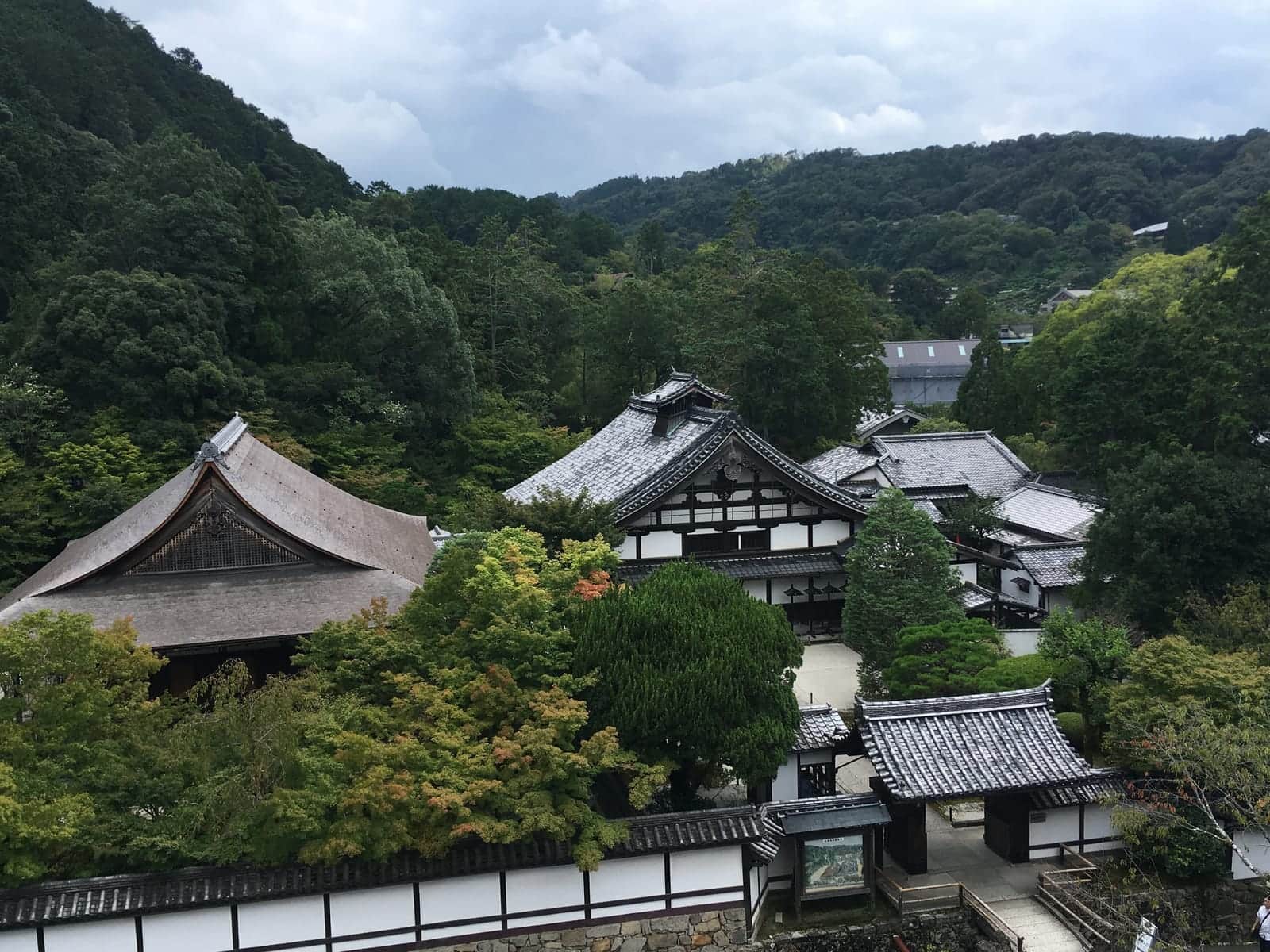
Konchi-in was moved to its current spot inside Nanzen-ji in 1605. Its garden was then designed for a planned visit by Tokugawa Iemitsu, but the shogun never actually came.
The Crane and Turtle Garden is one of Kyoto's clearest examples of shakkei, or borrowed scenery. The hills beyond the temple wall are part of the composition, even though they are not inside the garden.
与开放时间相同
此 寺院 提供御朱印,但我们还没有照片。欢迎成为第一个分享的人!
设施与服务
Visit early on a weekday to avoid the groups that arrive after noon.
Position yourself low to the ground to capture the crane and turtle stones against the raked gravel; the best light is soft morning sun from the east side.
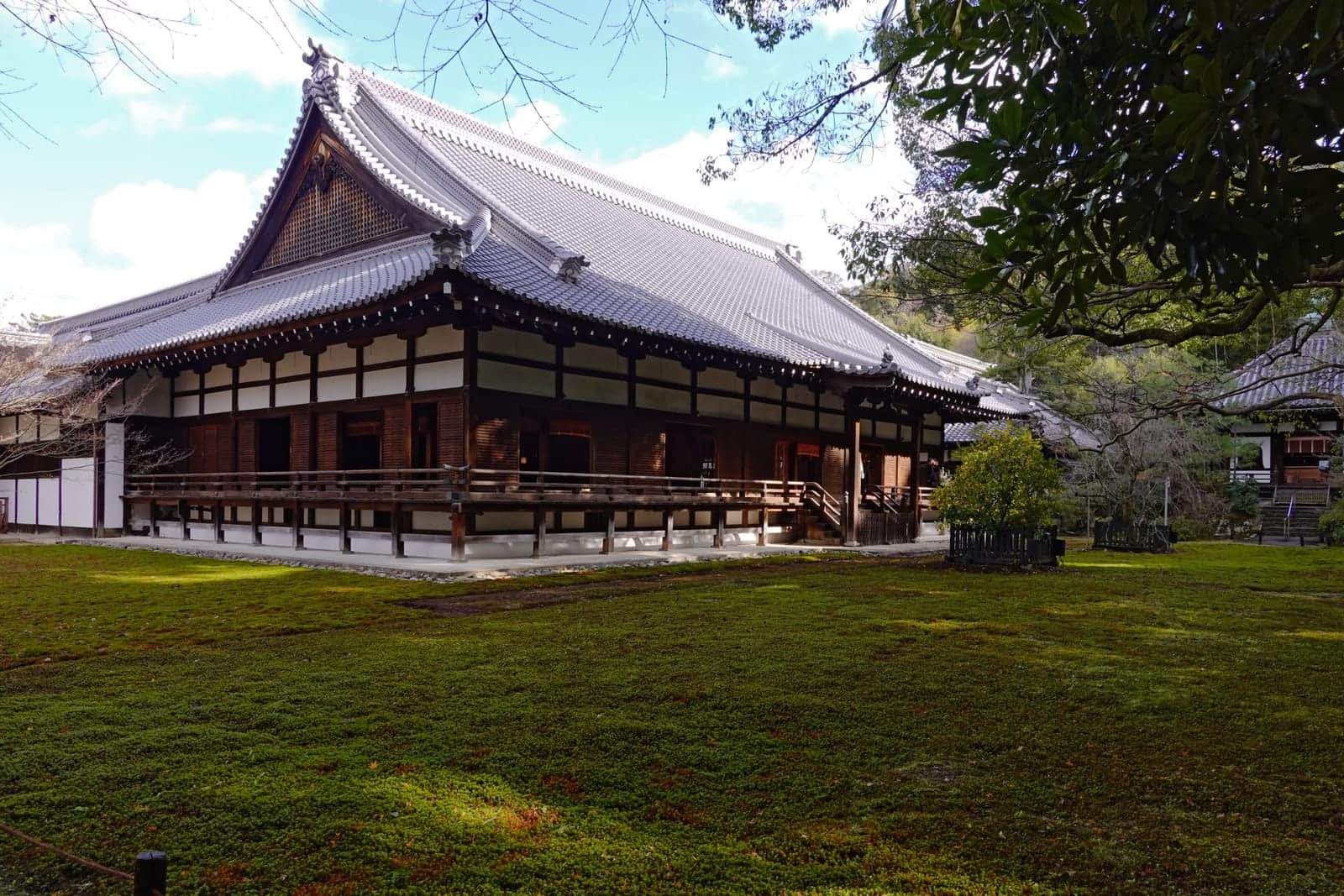
The tea room (shoin) is often open to visitors, offering a view of the garden from inside; ask the attendant about the borrowed scenery (shakkei) technique used in the design.
Speak quietly and turn off your phone ringer; this is an active temple, not just a tourist site, so observe the same quiet reverence you would in a larger hall.
There is no entrance fee, but a small donation is appreciated; combine the visit with Nanzen-ji for a single ticket if you plan to explore the aqueduct as well.
The temple grounds are mostly flat, but the garden viewing area has a slight step; wheelchair users can request assistance from the staff at the main Nanzen-ji gate.
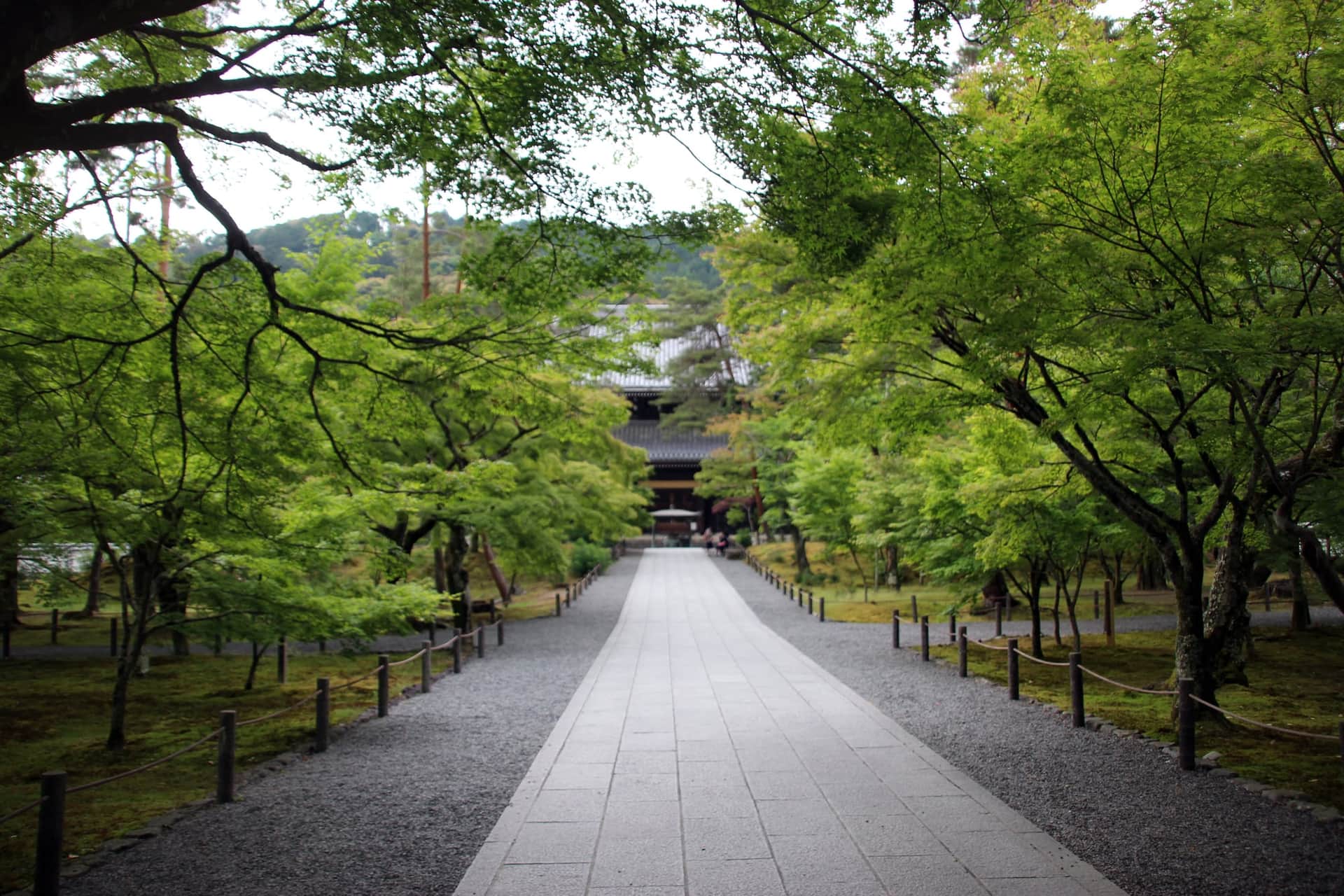
Plan a stop of about 30 to 45 minutes for the garden and main hall. Konchi-in is usually much quieter than Nanzen-ji itself, so weekdays or the first opening hour are the best times if you want the Crane and Turtle Garden to feel still and uncrowded.
Bring a little cash for admission, since this is a small temple rather than a full tourist complex. If you are coming by subway, Keage Station is the easiest walk, and if you are already at Nanzen-ji, Konchi-in is just a short detour off the main flow of visitors.
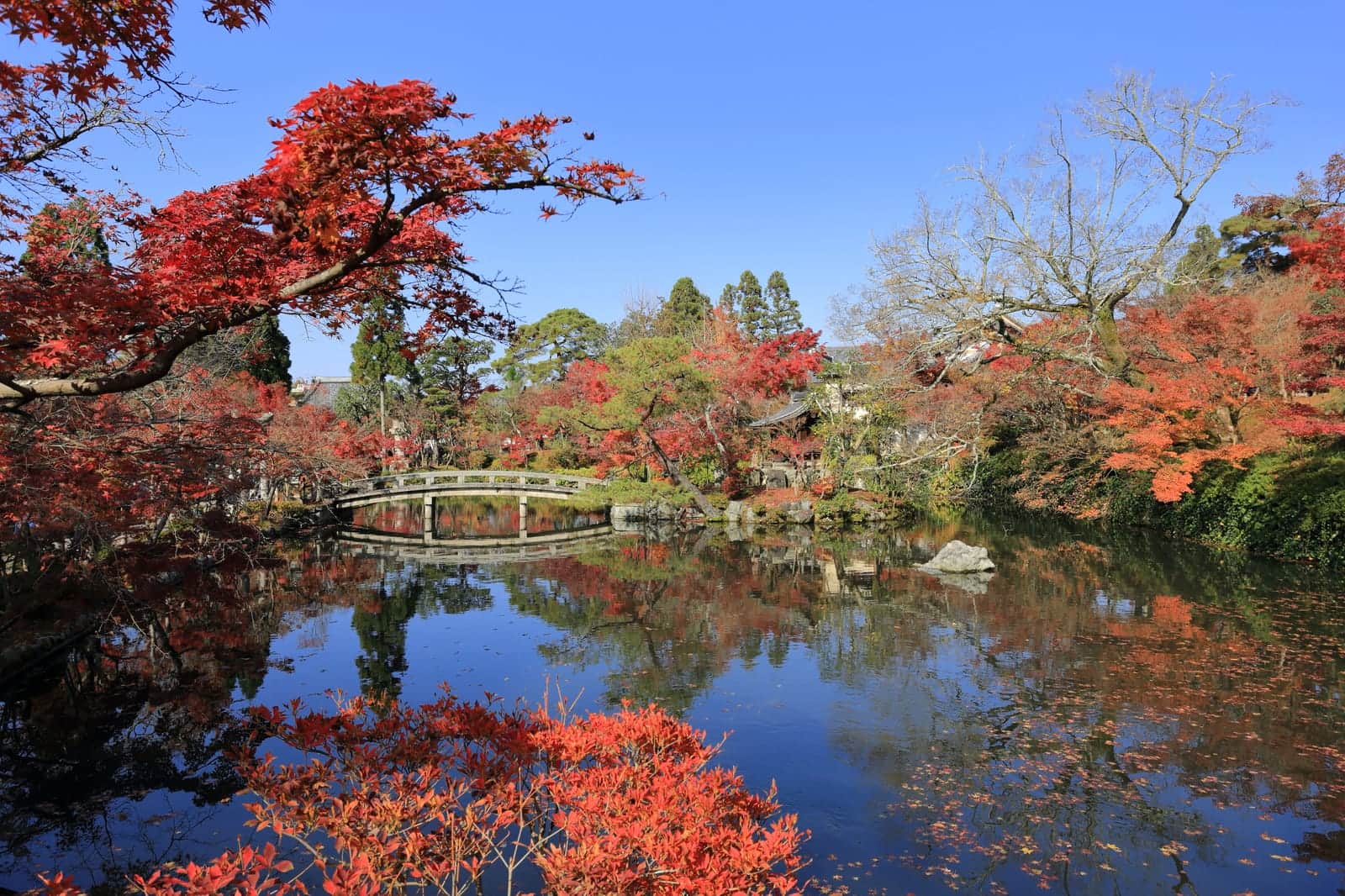
If you visit in spring, the fresh green around the stones softens the whole scene, while autumn adds scattered leaves that make the gravel and rock shapes stand out.
Look for the two stone islands that suggest a crane and a turtle, then scan the center for the Horai-style rock grouping. Once you know the symbolism, the garden reads very differently, and the visit becomes more than just a pretty dry landscape.
神圣的灵魂在这个神圣的地方受到崇敬
尚未确认
与此地点相关的更多页面。
300米以内 600米以内
据信此地能赐予的福佑
3 条最新帖子
5.0
1 条评价
如果想在最安静的时候欣赏庭园,最好在工作日早点去;过了中午,团体游客会更多。建议预留30到45分钟。Keage Station 是最方便的地铁步行路线,如果你已经在 Nanzen-ji,这里只是主游览路线旁的一小段绕行。
这里没有固定门票,但欢迎捐一点香火钱或少量现金。由于这里仍是运作中的寺院,请将手机调为静音,并轻声交谈。寺内地势大多平坦,不过庭园观赏区有一个小台阶,如有需要,工作人员可以协助通行。
从茶室可以俯瞰庭园,并询问借景设计的相关内容。
Agnieszka Kaczyńska 签到了位置已确认
Konchi-in
Sakyo, Kyoto
 SUPro member
Steffi UlrichPro 分享了御朱印