参观费用
尚未确认
概览
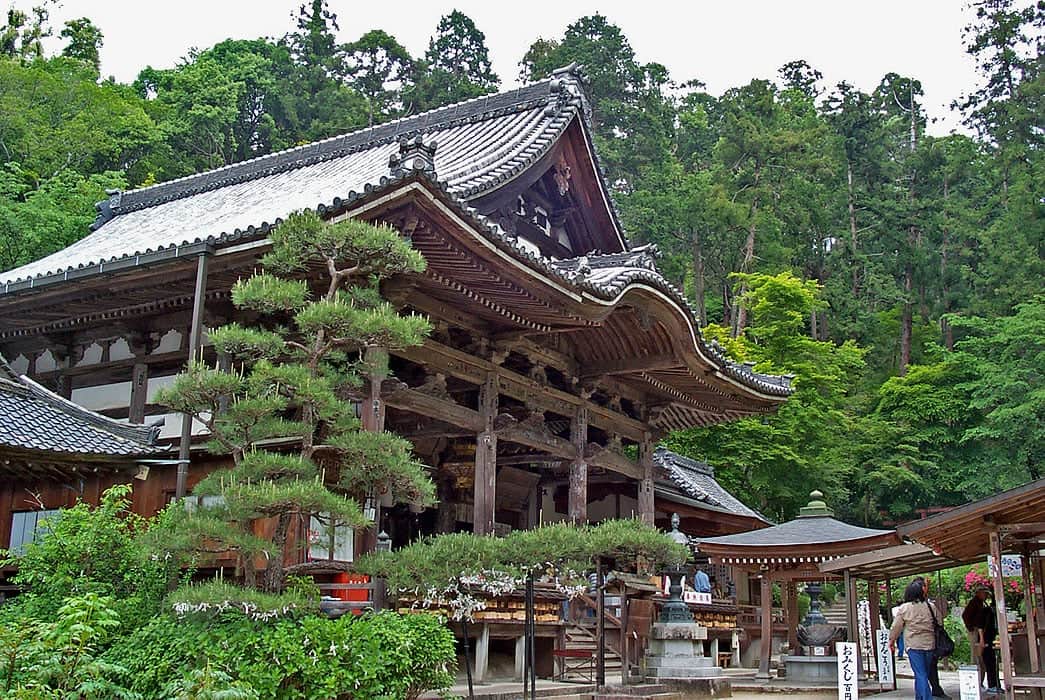
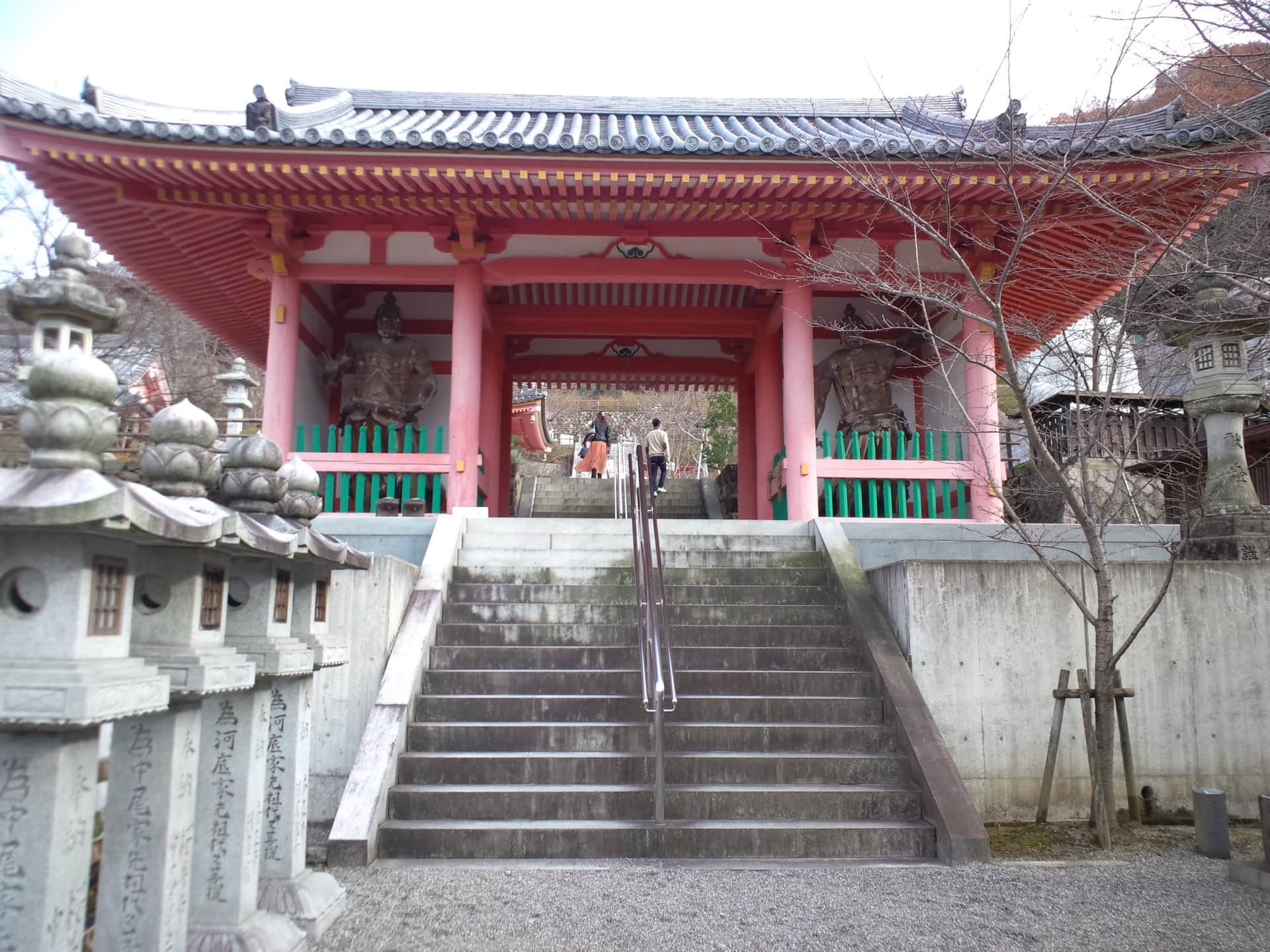
The shrine's massive grounds cover 530,000 square meters and include Nagayama Inari Shrine near Fukuda Pond, a smaller shrine that actually predates Kashihara Jingū by centuries.
The shrine marks the spot where Emperor Jimmu allegedly ascended to the throne in 660 BC, making it 2,700 years old as a sacred site, though the actual shrine buildings are only from the Meiji period.
此 神社 提供 1 款不同的御朱印设计
与开放时间相同
通常
尚未确认
设施与服务
如果您想体验更热闹的氛围,可以计划在一年一度的纪元祭期间参观,届时神社的祭祀重要性尤为显著。
The shrine is a 10-minute walk from Kashiharajingu-mae Station, accessible via Kintetsu Line from Nara (50 minutes via Yamato-Saidaiji), Kyoto (1 hour by express), or Osaka Tennoji (via Osaka Abenobashi Station), with particularly large crowds expected on National Foundation Day (February 11) and New Year's Day.
Take time to walk around Fukuda Pond in the south part of the grounds, which has a well-maintained promenade and features cherry blossoms in spring and waterfowl in winter, plus the historic Nagayama Inari Shrine that predates Kashihara Jingu.
Consider renting a bicycle from one of the shops next to Kashiharajingu-mae Station to explore the semi-rural area with wide avenues, and some rental firms even allow bicycles to be returned at certain Asuka locations if you cycle south.
预留充足的步行时间:神社被描述为一个拥有广阔场地和森林区域的大型建筑群,因此快速参观可能会感觉仓促。
穿舒适的步行鞋;神社宽阔的场地和树木繁茂的区域更适合步行游览。
Plan your visit for weekends in November to witness the colorful Shichi Go San Festival when whole families come to the shrine with their children dressed in traditional kimono, or visit during autumn when the ginkgo tree-lined avenue turns bright yellow against the clear blue sky.
橿原市, 奈良县 县
1 条最新帖子
分享你的参访体验,帮助其他旅行者。
Stefan ThomePro 分享了御朱印
Kashihara-jingū https://share.google/iQ0v94De7DhF8GQh3
与此地点相关的更多页面。
300米以内 600米以内