参观前请确认您要前往的是哪座Hoshu-in;所提供的资料显示日本各地有多座同名寺院。
概览
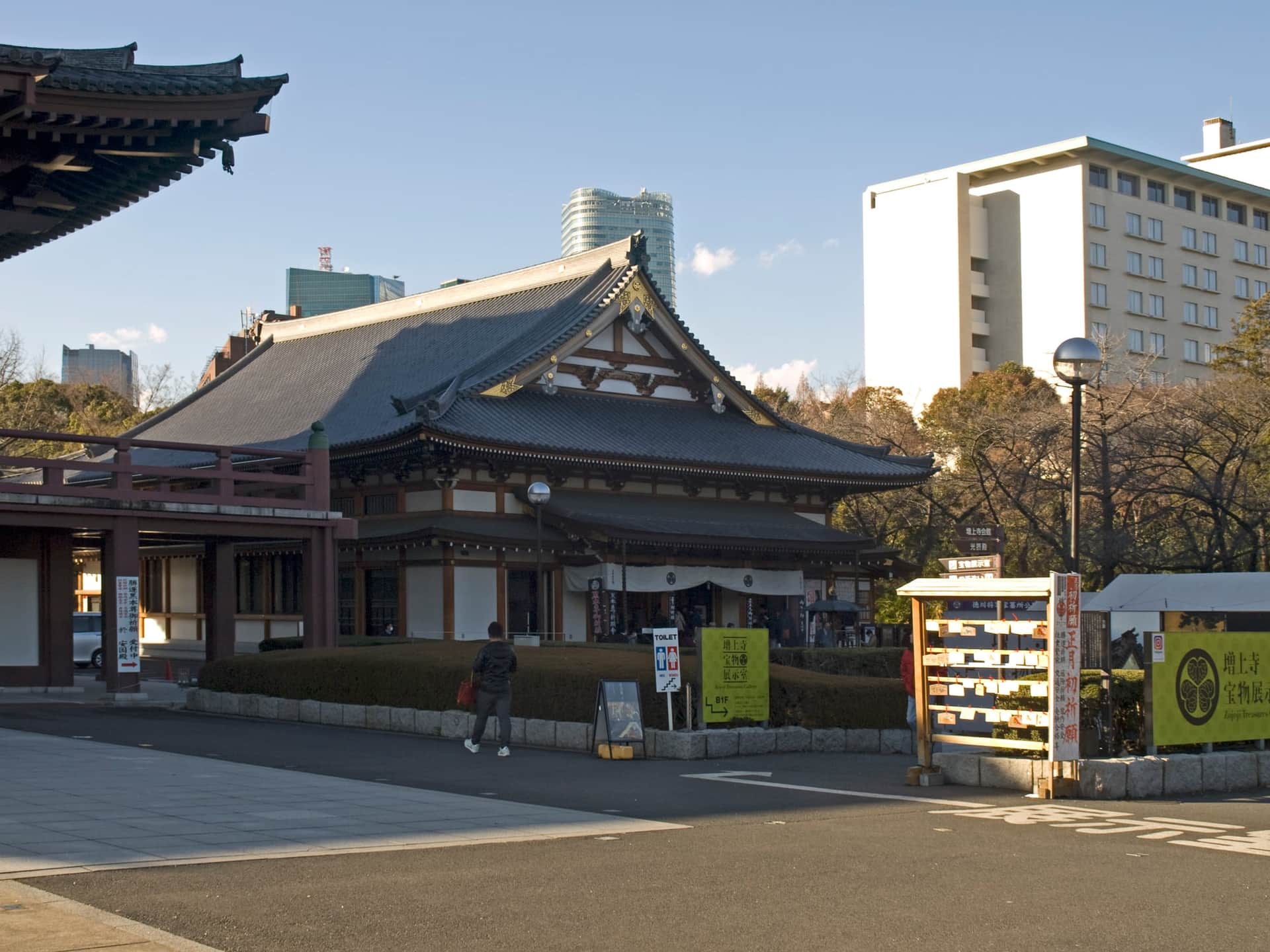
尽管是一座寺院,Hoshu-in引人注目的现代建筑更像是一座当代美术馆或公共建筑,而非传统的佛教寺庙,常常让初次到访的游客感到困惑。
The temple features a unique "三すくみ" (san-sukumi) statue depicting the eternal standoff between snake, frog, and slug, a Japanese concept where each creature can defeat one but is vulnerable to another.
此 寺院 提供 1 款不同的御朱印设计
与开放时间相同
通常
¥500
参观前请确认您要前往的是哪座Hoshu-in;所提供的资料显示日本各地有多座同名寺院。
如果您收集御朱印寺庙印章,这是少数能在迷你御朱印本上书写印章的寺庙之一,而且他们提供每月更换的设计以及季节限定版。
漫步寺院场地,寻找Benten池,探索各种雕像,包括令人印象深刻的Enma(阎王)雕像、蛇蛙蛞蝓三方对峙雕塑以及Enma之耳景观。
不要被这座现代化的建筑所迷惑,它看起来更像是画廊或礼堂,而非传统寺庙。
您可以将参观与港区七福神巡礼结合起来,因为宝珠院供奉着弁財天(福德女神)。作为该地区热门寺庙巡游路线的一部分,您可以在这里收集特别的印章。
这座寺庙在东京大轰炸中奇迹般地几乎完好无损,而周围地区却被烧毁,寺内供奉着与德川家康有关的招福佛像。
寺庙位于东京塔脚下,距离大门站仅需步行10至15分钟。您可以在一次行程中轻松游览这两个地标,并从寺庙内欣赏东京塔的景色,是传统与现代东京的独特结合。
请勿依赖英文原文来规划您的参观:其中明确说明所提供的文本根本不是关于法住院的。
Skip the 'Japanese people in Germany' text when researching this temple; it is unrelated and contains no usable visitor details for Hoshu-in.
神圣的灵魂在这个神圣的地方受到崇敬
尚未确认
与此地点相关的更多页面。
300米以内 600米以内
时刻数据:公共交通开放数据中心

C2-22.飯倉公園
docomo bike share
C2-24.Dash Living HigashiAzabu
docomo bike share

アルティザ東麻布
HELLO CYCLING
租借需要运营商的应用程序和日本手机号码。docomo 单日券可在便利店购买。 数据来源
6 条最新帖子
4.5
2 条评价
Hoshu-in sits right at the base of Tokyo Tower, about a 10 to 15 minute walk from Daimon Station, so it is easy to see both on one trip and you get tower views from the grounds.
The main hall is modern and looks more like a gallery than a temple, but this is a working temple that came through the Tokyo air raids almost untouched, and it keeps a lucky-charm Buddha tied to Tokugawa Ieyasu. Give yourself time to walk the grounds. You will find the Benten Pond and a set of statues, including a striking Enma (the King of Hell), the three-way standoff of snake, frog and slug, and the spot known as Enma's Ear.
It is also one of the few temples that will write a goshuin straight into a mini stamp book, with designs that change monthly and seasonal limited editions. Since it enshrines Benzaiten, you can pick up a stamp here on the Minato Seven Lucky Gods pilgrimage too.
 WP
WPWilliam Perez 发表了评价
Small, and it has a strange architecture. Bhudda temple with enshrined Shinto Kami. LOTS of cool Goshuin to choose from. Next to a lovely pond and a nice park.
 HTPro member
Hannah TaylorPro 签到了位置已确认
Hoshu-in
Minato, Tokyo
据信此地能赐予的福佑