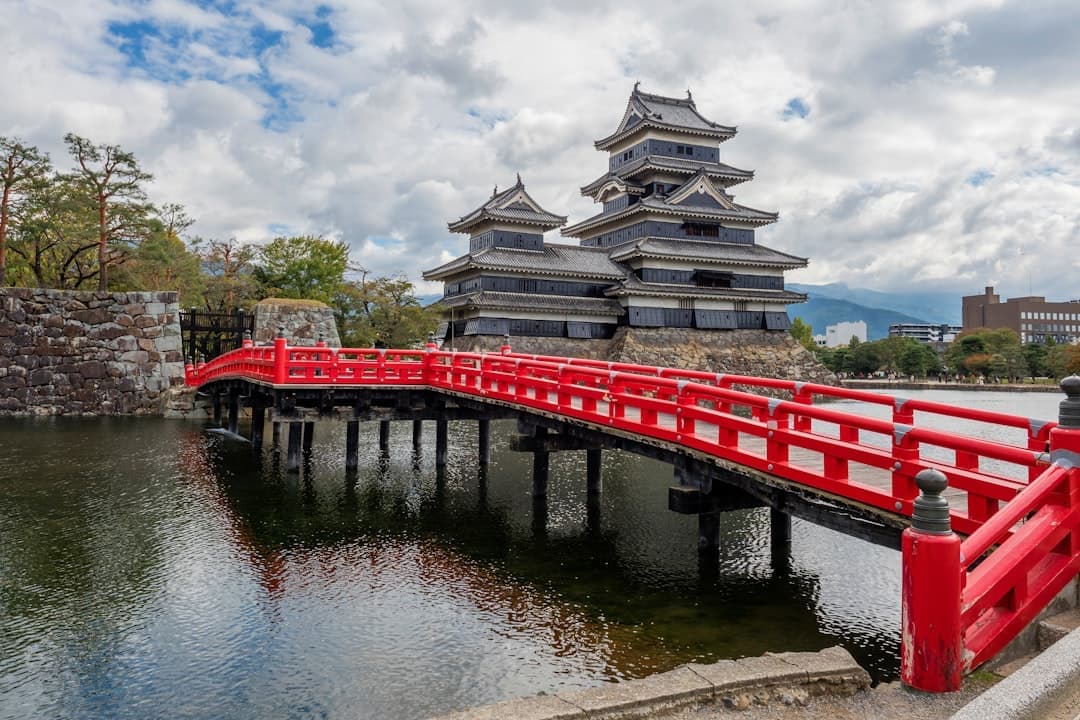
A província de Nagano (長野県) fica na região de Chubu, no centro de Honshu, no Japão. Conhecida pelos Alpes Japoneses, pelo histórico templo Zenko-ji e por cidades de montanha como Matsumoto e Karuizawa, é uma área popular para a natureza, peregrinação e viagens sazonais.
One of Japan's most important Buddhist temples, founded in the 7th century. Houses the first Buddhist statue brought to Japan, a hidden Amida Buddha triad. Famous for its nonsectarian approach, welcoming all visitors regardless of sect or gender.
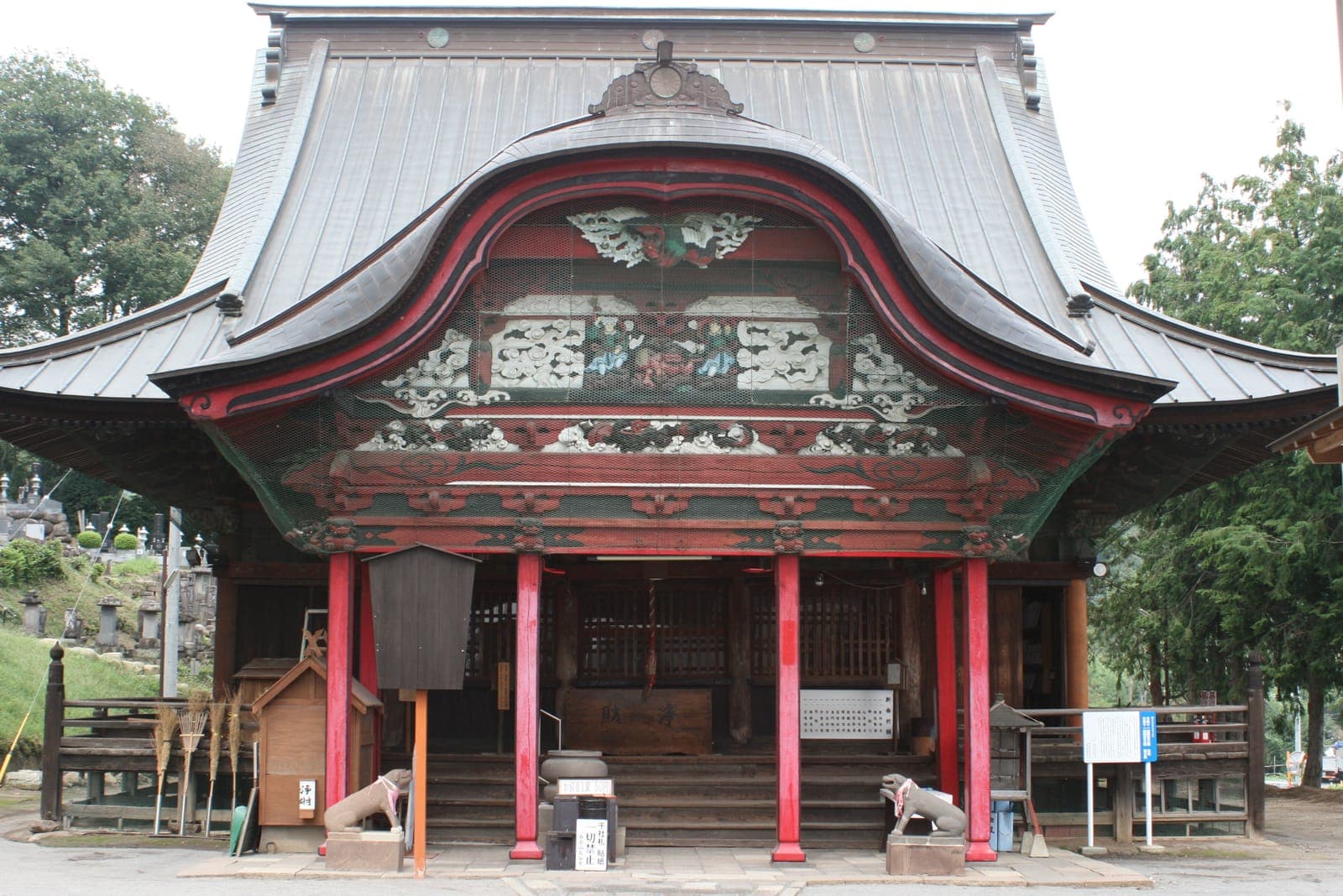
Fukashijinja is a large Shinto shrine in Matsumoto, Nagano, dedicated to Suwamyojin (deity of wind, water, and agriculture) and SugawaranoMichizane (deity of learning). Known as the "Tenjinsama of Fukashi," it hosts the famous Tenjin Matsuri festival each...
Por que voce deveria ir
Take the 10-15 minute walk east from Matsumoto Station along Agata-no-mori street, then turn south at the Miyamura-machi traffic signal just before the Performing Arts Centre.
Plan your visit for July to experience the Tenjin Matsuri, when 16 elaborately decorated floats from local neighborhoods are displayed at the shrine and paraded through the streets.
Arrive early on weekdays or outside festival season to enjoy the shrine's quiet, spiritual atmosphere without tourist crowds. Several visitors noted the shrine feels peaceful and contemplative when you're not competing with tour groups, making it easier to appreciate the ornate painted carvings and statues.
Chōkokuji (長國寺) é um templo budista na área de Senzoku, em Taito, Tóquio. Situado em um bairro urbano, serve como um local de adoração budista local e uma parada cultural útil para visitantes que exploram os templos comunitários da área e a paisagem...
Um santuário xintoísta central em Matsumoto, Yōhashira Jinja situase ao lado da Rua Nawate, próximo ao Castelo de Matsumoto. É conhecido pelas bênçãos de boa sorte, encontros amorosos e harmonia familiar, e sedia um importante festival anual de outono com...
Por que voce deveria ir
Built in just nine days before the Emperor's 1879 visit, the shrine burned down nine years later in a fire that devastated central Matsumoto. The current buildings weren't completed until 1924.
Unlike most Shinto shrines dedicated to a single deity, Yohashira enshrines four gods at once, including the sun goddess Amaterasu and three creation deities, earning it the nickname 'Wish-Granting Shrine.'
The annual October festival features elaborately decorated wooden floats (butai) designated as Important Tangible Folk Cultural Properties, parading through streets while musicians perform aboard the moving platforms.
Suwa Taisha Shimosha Akimiya é o santuário de outono do Santuário Inferior do Grande Santuário de Suwa em Shimosuwa, Nagano. É um importante local xintoísta ligado ao culto regional antigo, rituais sazonais e ao complexo maior de santuários de Suwa com vista...
Por que voce deveria ir
Akimiya serves as the autumn shrine while its sister Harumiya functions as the spring shrine. Both form the Lower Shrine complex on Lake Suwa's northern shore in Shimosuwa town.
Suwa Taisha é considerado um dos santuários mais antigos do Japão; o Nihon Shoki sugere que já existia no final do século VII.
Akimiya is one of four shrines in the Suwa complex, one of Japan's oldest Shinto sites dating to at least the 7th century. The complex splits into Upper and Lower shrines on opposite sides of Lake Suwa.
Um histórico santuário xintoísta em Shimosuwa, Nagano, e um dos quatro santuários principais do complexo Suwa Taisha. Situado perto do Rio Togawa, é conhecido por seus terrenos arborizados tranquilos, rituais sazonais e conexão com o sistema mais amplo de...
Por que voce deveria ir
The shrine sits beside the Togawa River and features a sacred Japanese cedar tree, blending so gradually into residential Shimosuwa streets that visitors say it 'emerges from ordinary town' rather than announcing itself.
Almost no historical documents from the Lower Shrine (which includes Harumiya) survived through the centuries. Nearly all records about Suwa Taisha come from the Upper Shrine across the lake.
Harumiya means 'Spring Shrine' because the deity traditionally resides here from February to July, then moves to nearby Akimiya (Autumn Shrine) for the rest of the year in a seasonal ritual unique to Suwa Taisha.
Um dos santuários mais antigos do Japão e sede de mais de 5.000 santuários Suwa em todo o país. Faz parte do complexo Suwa Taisha com quatro santuários principais ao redor do Lago Suwa. Famoso pelo Festival Onbashira realizado a cada seis anos, apresentando...
Um dos quatro santuários de Suwa Taisha, Kamisha Maemiya é o antigo santuário do grupo do Santuário Superior em Chino, Nagano. É um local xintoísta ancestral ligado ao culto de Suwa, às tradições Onbashira e ao mais amplo complexo de santuários do Lago Suwa.
Por que voce deveria ir
Maemiya is the only one of the four Suwa Taisha shrines with an actual honden (main sanctuary building) that houses the sacred shintai. The other three shrines have only worship halls.
The shrine's honden was built in 1932 using timber salvaged from the Grand Shrine of Ise, connecting it to Japan's most sacred shrine complex through its very structure.
The shrine is part of a system with over 60 auxiliary shrines scattered around Lake Suwa, ranging from tiny stone structures to full compounds, each playing a role in the ritual calendar.