Arrive between 9 AM and 4:30 PM on weekdays if you want to participate in a blessing ceremony (御祈祷), as the shrine accepts walk-in prayers during these hours with no reservation needed and a typical 30-minute duration.
Resumo
Founded in 1628 inside Fukui Castle to enshrine Tokugawa Ieyasu, the shrine sits adjacent to the castle ruins in the heart of modern Fukui City, just a 7-minute walk from the station.
The shrine was rebuilt in 1949 using materials from Kyoto's Mitsui Family Ancestral Shrine after being destroyed by WWII air raids and the 1948 Fukui earthquake.
Este santuario oferece 1 designs diferentes de goshuin
Igual ao horário de funcionamento
Regular
¥500
Instalacoes
Arrive between 9 AM and 4:30 PM on weekdays if you want to participate in a blessing ceremony (御祈祷), as the shrine accepts walk-in prayers during these hours with no reservation needed and a typical 30-minute duration.
If you plan to collect a goshuin (shrine stamp), bring a dedicated goshuin book or blank notebook, as the shrine office offers this service while you wait.
Visit during the Tanabata Festival (early July) or Obon season (mid-August) to see limited-edition goshuin stamps and participate in seasonal traditions like hanging wish tags on the grounds.
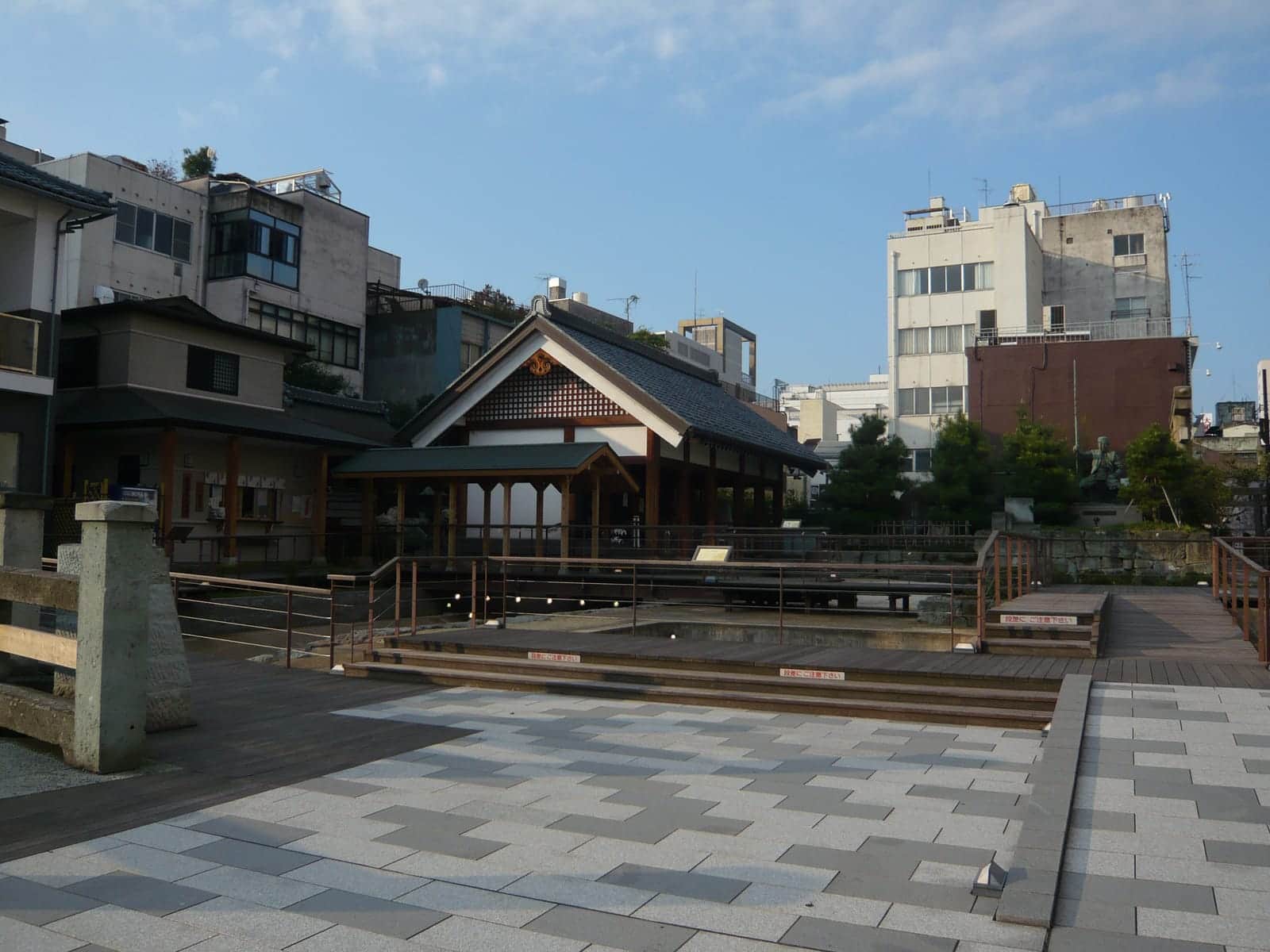
The shrine sits directly adjacent to Fukui Castle ruins on the west side of Chuo Park, so plan a combined visit to explore both sites in one outing.
The 250,000 origami cranes at the entrance create an intensely colorful display best photographed in natural morning light before crowds arrive.
When making a wish or prayer at the shrine, take a moment to observe how other visitors interact with the sacred spaces before approaching the main hall.
Os espiritos divinos venerados neste local sagrado
Fukui, Fukui Provincia
Não confirmado
Mais paginas relacionadas a este lugar.
O que se acredita que este lugar concede
2 publicações recentes
4.0
1 avaliação
Se você quer participar de uma cerimônia de bênção, vá em um dia da semana entre 9:00 da manhã e 16:30. Visitantes sem agendamento prévio são aceitos, e a cerimônia geralmente leva cerca de 30 minutos. Se você planeja obter um carimbo goshuin, traga um livro goshuin dedicado ou um caderno em branco, já que o escritório do santuário pode fazê-lo enquanto você espera.
O santuário fica ao lado das ruínas do Fukui Castle no lado oeste do Chuo Park, então funciona bem como parte do mesmo passeio. A entrada é especialmente impressionante pela quantidade de tsurus de origami, que ficam mais bonitos à luz da manhã antes da área ficar movimentada. Em julho e ao redor de Obon, você também pode encontrar goshuin sazonais e tradições de etiquetas de desejos.
 OSPro member
OSKApoiador deixou uma avaliação
OSPro memberOSKApoiador compartilhou um goshuin
Sakae no Yashiro Shrine 佐佳枝廼社
Menos de 300 m Menos de 600 m
O aluguel exige o app do operador e um número de telefone japonês. Os passes de um dia da docomo são vendidos em lojas de conveniência. Fontes de dados