Dia em Kamakura
Uma rota de um dia em Kamakura para coletores de goshuin de primeira viagem, conectando templos icônicos, atmosfera costeira e segmentos de caminhada gerenciáveis.
- 1 dia
- 6 paradas
- Kamakura, Kanagawa
Sobre esta jornada
Um passeio de um dia pela costa para colecionadores iniciantes de Kamakura, conectando os principais templos Zen, Hachimangu, Hase e o Grande Buda.
Roteiro dia a dia
Primeira Visita a Kamakura
- 6 paradas
- cerca de 315 min com visitas
Engaku-ji
KamakuraFundado em 1282, Engaku-ji é um dos templos budistas Zen mais importantes de Kamakura e ocupa o segundo lugar entre os Cinco Grandes Templos Zen. O complexo do templo apresenta edifícios classificados como Tesouro Nacional e jardins serenos, oferecendo aos visitantes uma experiência profunda da tradição Rinzai Zen.
Visita estimada · 45 minEntrada adulto · ¥200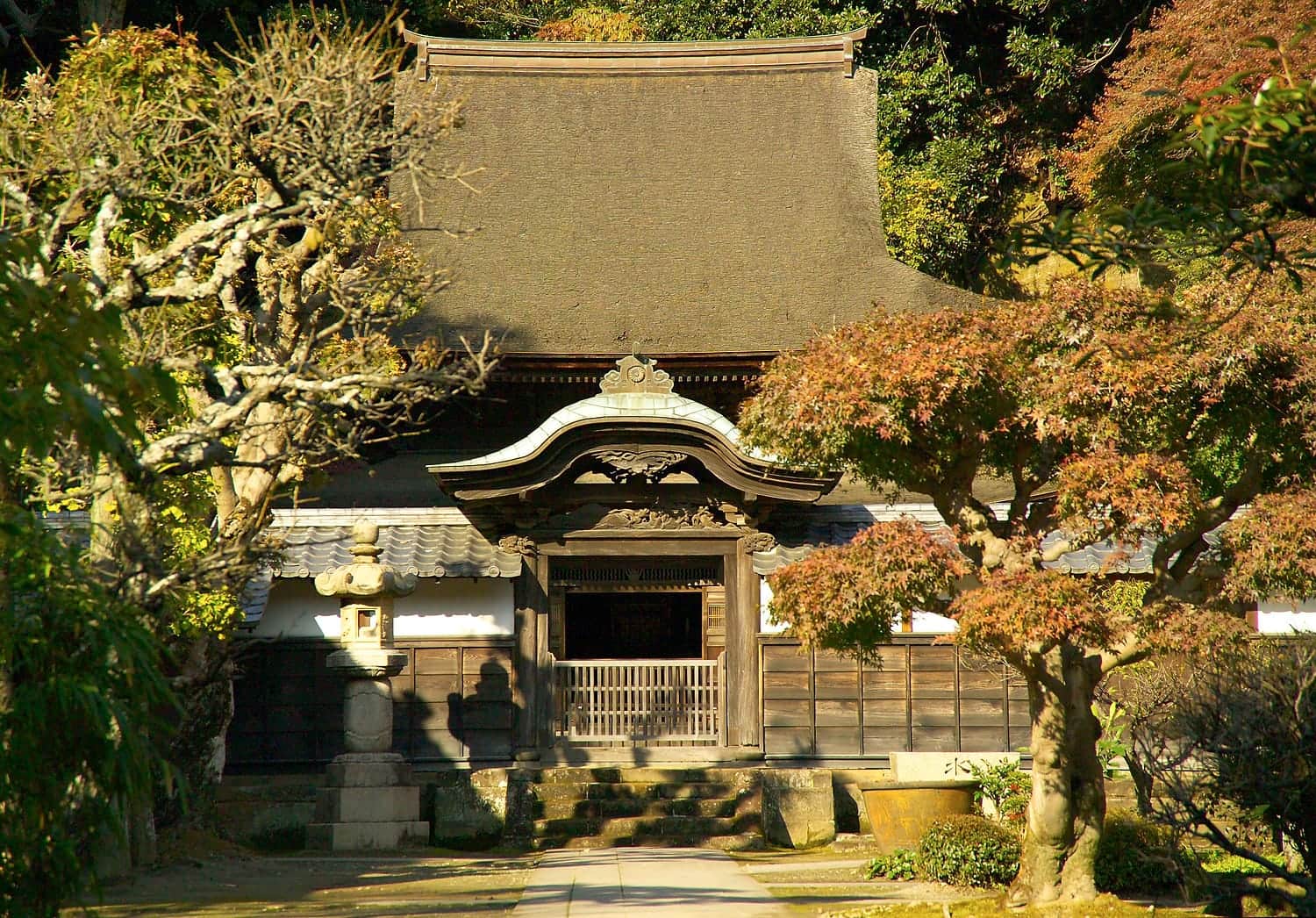
- Deslocamento
cerca de 20 min
Kencho-ji
KamakuraFundado em 1253, o Kencho-ji foi o primeiro mosteiro de treinamento Zen do Japão e lidera os Cinco Grandes Templos Zen de Kamakura. O templo histórico tem salões impressionantes, jardins e mostra a prática do Budismo Zen.
Visita estimada · 45 min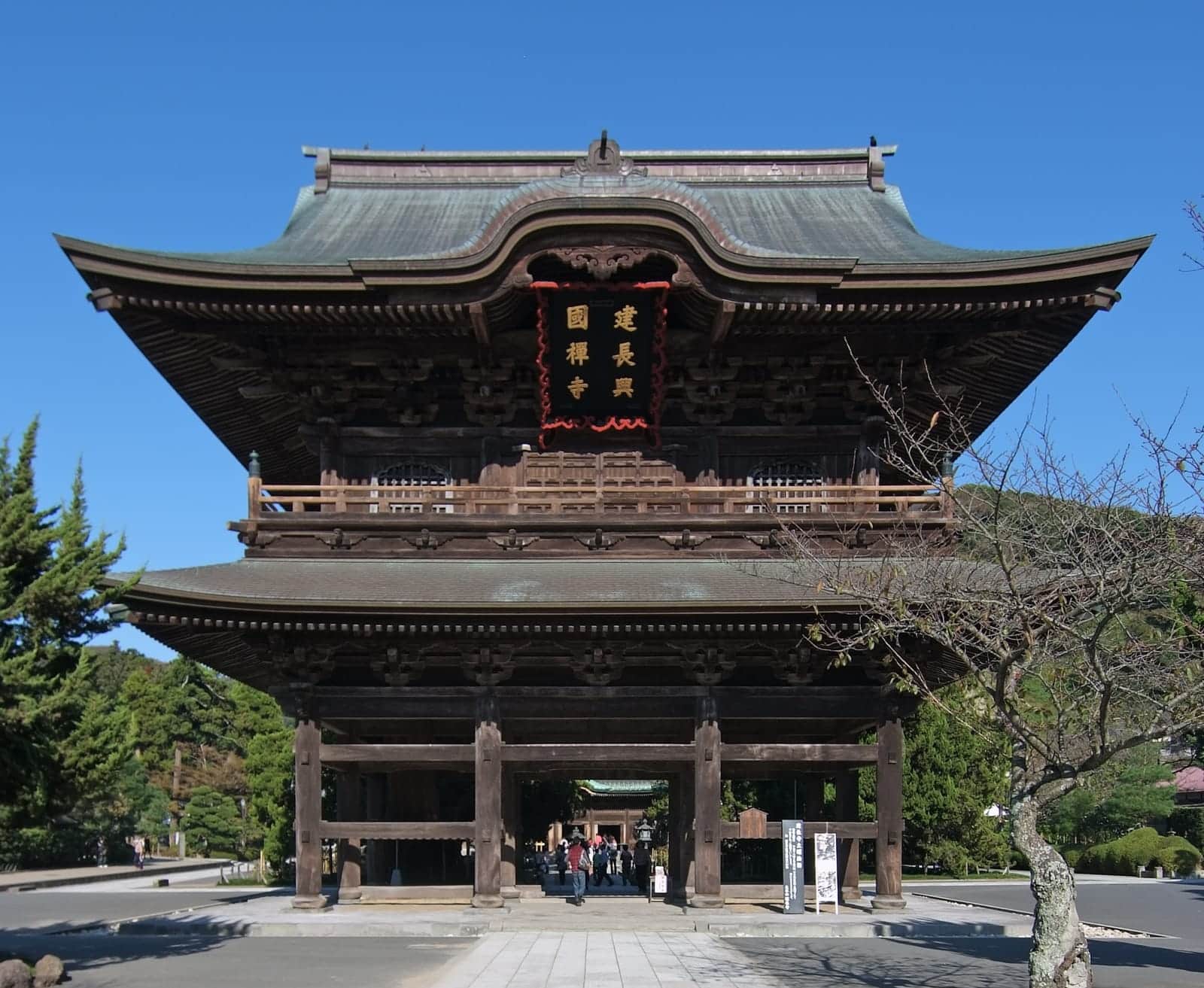
- Deslocamento
cerca de 20 min
Tsurugaoka Hachimangu
KamakuraO santuário xintoísta mais importante de Kamakura, fundado em 1063. Dedicado a Hachiman, a divindade patrona dos samurais. Apresenta uma abordagem dramática através de portões torii vermelhão e uma escadaria íngreme que leva ao salão principal, oferecendo vistas panorâmicas da cidade.
Visita estimada · 45 minEntrada gratuita9 visitaram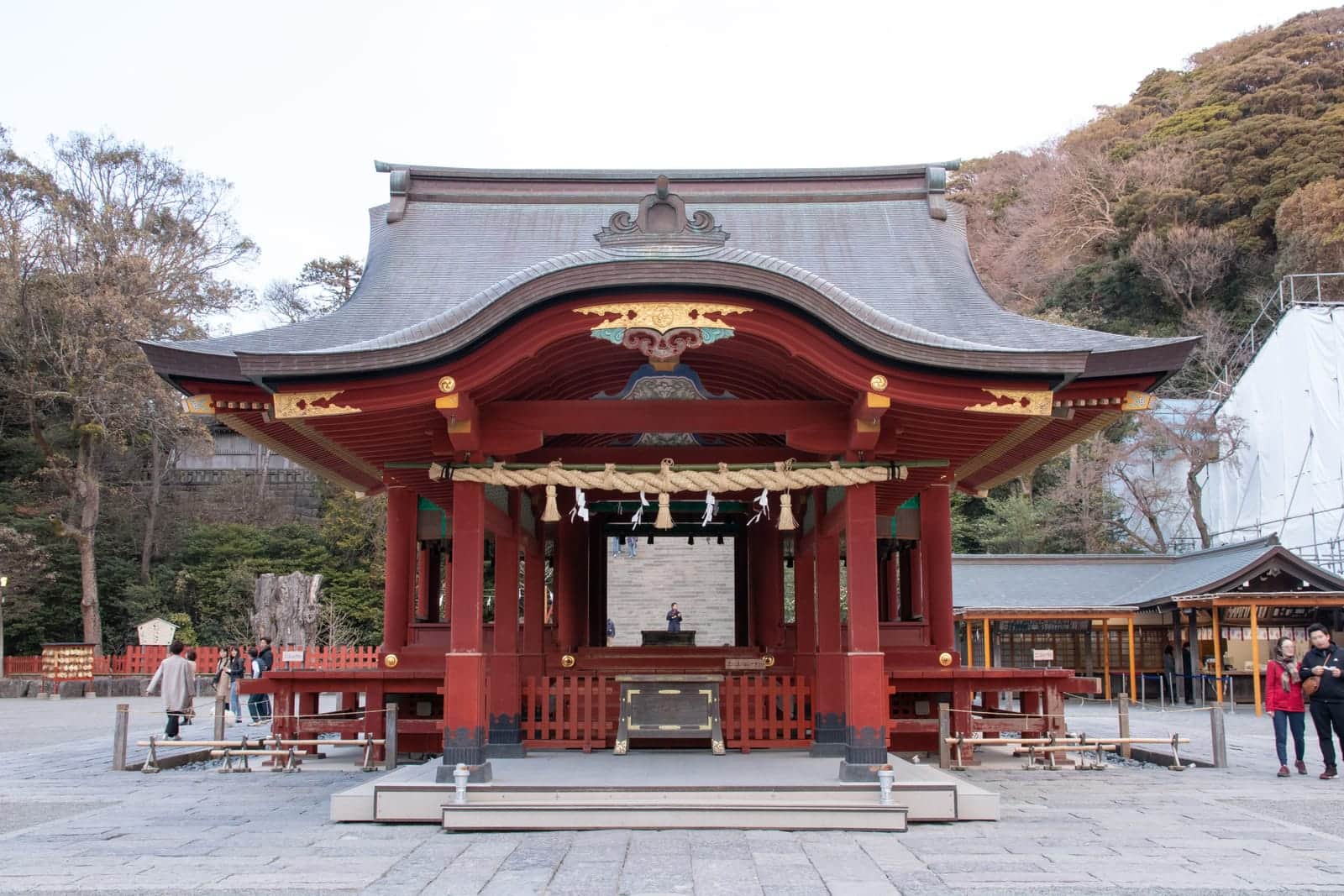
Zeniarai Benten Jinja
KamakuraZeniarai Benten é um santuário pequeno mas muito popular no oeste de Kamakura, conhecido pela nascente em caverna onde os visitantes lavam dinheiro na esperança de multiplicá-lo. Combina tradições budistas e xintoístas e atrai muitos turistas durante todo o ano.
Visita estimada · 45 min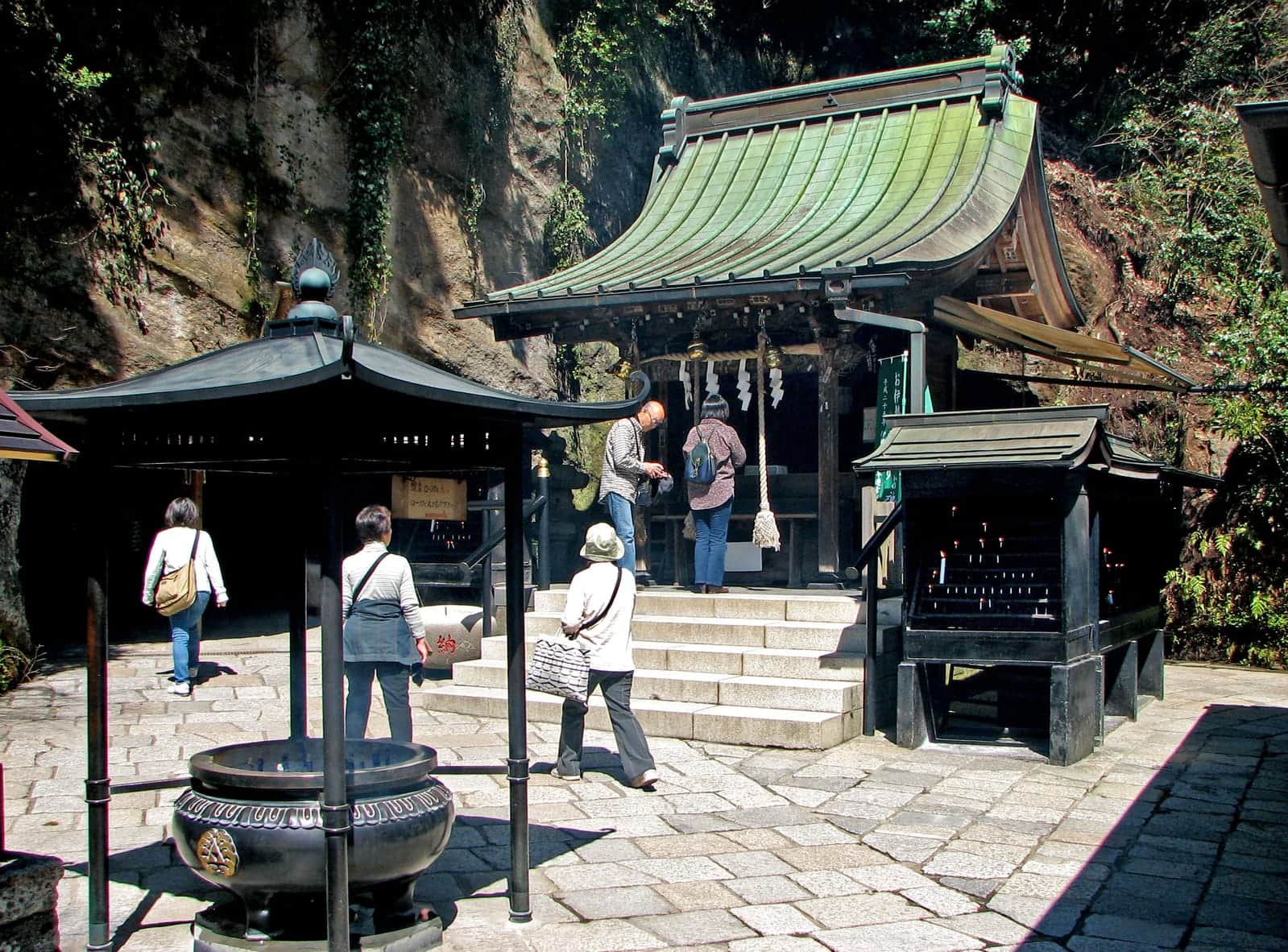
- Deslocamento
cerca de 20 min
Kotoku-in
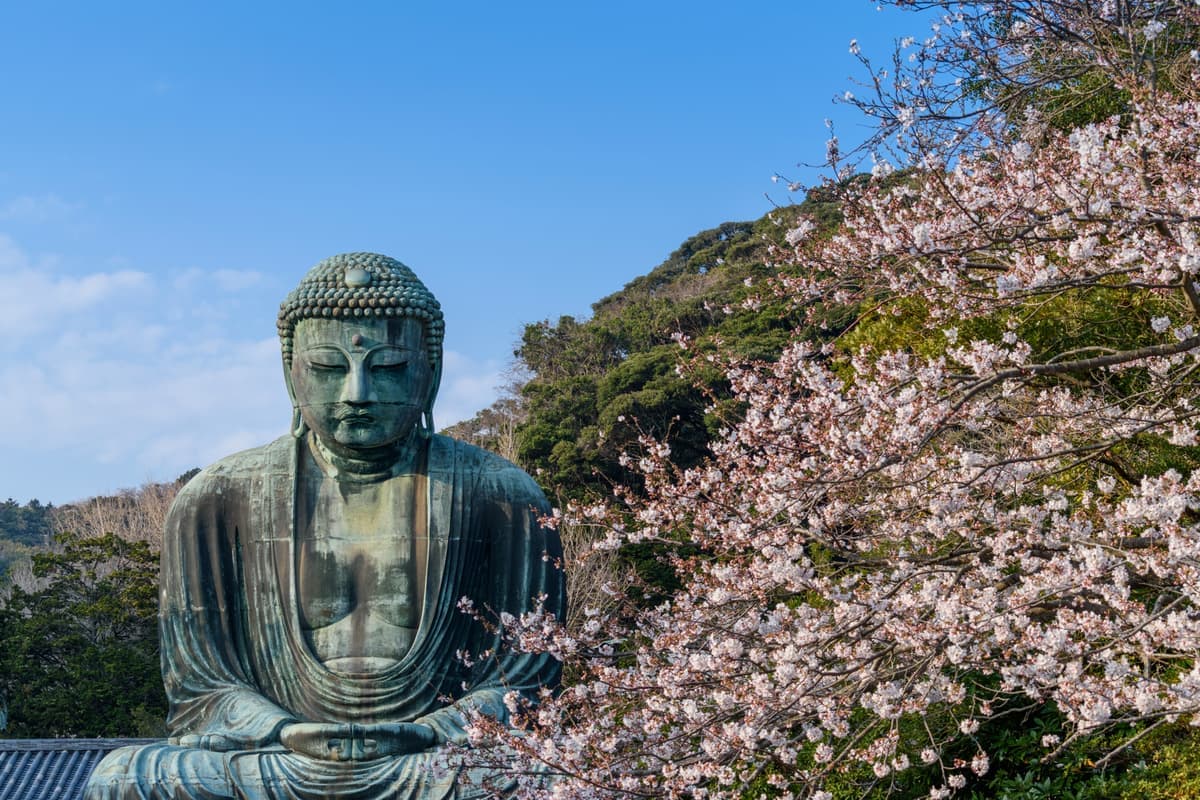
KamakuraVocê entra em um pátio tranquilo e encontra um olhar que sobreviveu a tempestades, tsunamis e séculos. Diante de você ergue-se o Grande Buda de Kamakura—a imagem de bronze ao ar livre de Amitābha (Amida) em Kōtoku-in em Kamakura, na Prefeitura de Kanagawa—sereno, vasto e impossivelmente calmo. Fundido em 1252, esta estátua é o coração de um templo Jōdo-shū formalmente conhecido como Kōtoku-in (高徳院), ou pelo seu nome mais antigo Shōjōsen-ji (清浄泉寺) de Daii-zan (大異山). É um Tesouro Nacional designado e uma das 22 propriedades propostas para a lista de Patrimônio Mundial da UNESCO em Kamakura. A estátua tem cerca de 11,3 metros de altura, e após o grande salão do templo ter sido repetidamente destruído—por tempestades em 1334 e 1369, e então por um devastador tsunami em 1498—ela permaneceu ao ar livre desde então: uma meditação em bronze sob o céu em mudança. Fundamentos Históricos Para entender Kōtoku-in, você deve vê-lo não apenas como um único monumento, mas como o espírito destilado do budismo medieval de Kamakura, uma paisagem religiosa moldada pela ascensão do governo guerreiro e pela busca de salvação acessível. O templo pertence ao Jōdo-shū—a escola da Terra Pura fundada no Japão por Hōnen—que centra a devoção em Amida, o Buda da Luz Infinita, cujo paraíso ocidental acolhe todos que chamam seu nome com sinceridade. Este é o significado que anima a estátua: uma imagem imponente de Amida que dá forma à esperança, à lembrança e aos votos. O principal âncora histórica é a fundição do bronze em 1252, durante o período Kamakura, uma época em que novos movimentos budistas se enraizaram entre elites e plebeus. A escala imensa e a refinada quietude da estátua nos dizem que não se tratava de uma encomenda menor: reflete a riqueza, a fé e a ambição artística que definiram a era em que Kamakura—não Kyoto—era o coração pulsante do poder e da cultura. Os nomes formais do templo—Kōtoku-in, e anteriormente Shōjōsen-ji com o nome da montanha Daii-zan—o colocam dentro das tradições de nomenclatura em camadas do budismo japonês, onde um templo vivo pode ter múltiplos títulos refletindo sua linhagem, geografia local e identidade histórica. O que torna a história de Kōtoku-in inesquecível é o ciclo de perda e resistência que se seguiu. O Grande Buda foi originalmente abrigado dentro de um grande salão, como convém a um ícone venerado. Mas o salão sucumbiu a condições climáticas violentas não uma, mas várias vezes: primeiro destruído por tempestades em 1334, reconstruído e então novamente destruído em 1369. Cada reconstrução representou a determinação da comunidade em proteger a imagem; cada ruína marcou as realidades costeiras expostas de Kamakura. Finalmente, um tsunami em 1498 levou o salão embora. O bronze Amida permaneceu, e desde aquele dia está sob o céu aberto. Esta transformação—de uma imagem interna para um ícone ao ar livre—tornou-se central para como as pessoas experienciam a estátua: como um companheiro vivo do vento, da luz, da chuva e das estações que passam. Os séculos 20 e 21 trouxeram um novo tipo de proteção: esforços de conservação científica e engenharia. Sensível às realidades de terremotos e erosão costeira, o templo implementou conservação e reforço sísmico no século 20 e novamente no século 21. Esses trabalhos, realizados para que a estátua possa suportar tremores futuros e continuar a receber visitantes com segurança, fazem parte de uma administração moderna que corre paralela ao cuidado devocional de séculos. Durante essas iniciativas, a estátua permaneceu o coração da identidade do templo: um gigante silencioso cuja preservação é entendida como um dever cultural e uma oferta religiosa. O peso histórico e cultural do local é reconhecido muito além de Kamakura. O Grande Buda de Kōtoku-in é um Tesouro Nacional designado do Japão, colocando-o entre as obras mais reverenciadas do patrimônio artístico do país. Também faz parte do conjunto de 22 propriedades propostas para a lista de Patrimônio Mundial da UNESCO em Kamakura—um reflexo de quão fortemente o patrimônio medieval da cidade continua a moldar a compreensão global da religião, arte e história japonesas. Maestria Arquitetônica Fique perto do pedestal de lótus da estátua e você pode sentir a lógica do design em ação. Este é um bronze Amitābha representado com contenção disciplinada: olhos baixos, uma boca posicionada em um leve sorriso, e o dhyāna mudrā, o gesto de meditação, formado por mãos dobradas no colo. O efeito é de profunda autoconfiança. Mesmo que você não saiba nada sobre budismo, a escultura o atrai para sua compostura. A figura de bronze—aproximadamente 11,3 metros de altura—teria sido fundida em múltiplas seções, um método prático para uma obra tão monumental. A estátua é oca, uma escolha de engenharia que reduz o peso e distribui o estresse. As técnicas de fundição medievais no Japão envolviam a criação de moldes que podiam suportar grandes painéis, que seriam então unidos, acabados e dados suas superfícies características. Com o tempo, o metal adquiriu uma suave pátina verde, um registro visível dos séculos. Embora o salão original tenha desaparecido, o exterior da estátua revela sutis vestígios de sua longa vida ao ar livre—minúsculas variações de tom, padrões de erosão e o brilho suave que vem de inúmeras estações de vento e ar salgado. Embora o salão de madeira original esteja perdido, a presença externa da estátua revela uma inteligência arquitetônica de um tipo diferente. Os construtores se adaptaram ao local aberto através de cuidadosa localização e construção da base, ancorando o monumento a uma plataforma firme. Em uma região propensa a terremotos, a combinação de estrutura interna e design da base é essencial. O moderno reforço sísmico—
Visita estimada · 45 minEntrada adulto · ¥3009 visitaram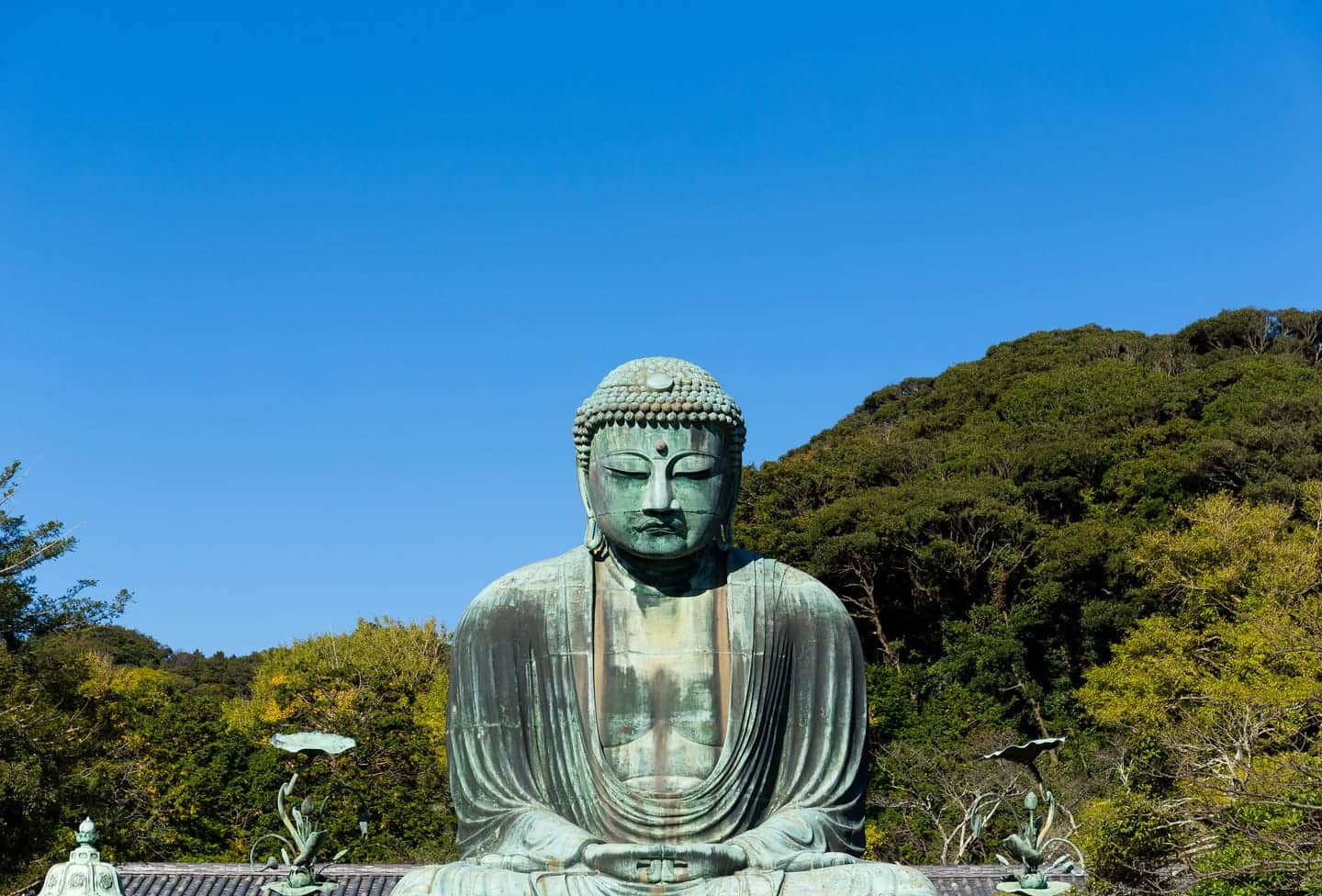
- Deslocamento
cerca de 20 min
Hase-dera
KamakuraIn the dim, gold-washed hush of the main hall, a single figure towers above you: a standing statue of the Eleven-Headed Kannon—the bodhisattva of mercy—rising a full 9.18 meters (about 30 feet) in height, carved from camphor wood and entirely gilded so that it seems to glow from within. This is the heart of Hase-dera, also called Hase-Kannon, a hillside temple in Kamakura belonging today to the Jōdo-shū (Pure Land) tradition. Tradition credits its origin to 721, when the monk Tokudō commissioned a pair of Kannon images; documentary records appear in 736, and the temple later shifted from Tendai teaching to the Jōdo-shū school. Its vast Kannon-dō hall, peaceful gardens, and mysterious Benten-kutsu cave make it a place where art, story, and sea air meet in one unforgettable setting. Historical Foundations The tale that gives Hase-dera its soul begins in the early 8th century. According to tradition, the monk Tokudō—a figure associated in legend with the spread of Kannon devotion across eastern Japan—commissioned two images of Jūichimen Kannon (the Eleven-Headed Kannon) from a single, massive camphor tree in 721. One statue became the principal figure at Hasedera in Yamato (today’s Nara Prefecture); the other, the story goes, was set adrift to follow the will of the bodhisattva and eventually found its destined shore in eastern Japan. Whatever the precise truth behind the legend, a temple at Kamakura dedicated to Kannon is historically recorded by 736, placing Hase-dera deep into the fabric of early Buddhist expansion into the Kantō region. In its earliest centuries, Hase-dera stood within the philosophical orbit of Tendai, the inclusive and scholastic school dominant in medieval Japan. The later transition to Jōdo-shū—the Pure Land school that focuses on the compassionate vow of Amida Buddha—reflects the evolving religious landscape of Kamakura, which rose to prominence as the seat of warrior government in the late 12th and 13th centuries. As the city developed under powerful clans, the devotional currents that ran through Kamakura’s society—reliance on Kannon’s mercy, aspirations for rebirth in Amida’s Pure Land, and the protection of local deities—took material shape in temples like Hase-dera. Over time, Hase-dera emerged as a recognized center of Kannon worship and a station on the Bandō Sanjūsansho—the Bandō 33 Kannon pilgrimage, a regional devotional circuit honoring Kannon at thirty-three sacred sites across eastern Japan. Hase-dera is Temple No. 4 on this route, a status that underscores its enduring importance as a place where supplicants come to seek relief from suffering and a share in Kannon’s boundless compassion. Although wildfires, storms, and political upheavals punctuated the temple’s long life—as they did for many Kamakura monuments—Hase-dera’s main identity remained steady: a sanctuary where Kannon is enshrined, Amida is venerated, and the compassionate gaze of Jizō watches over travelers and children. The shift from Tendai to Jōdo-shū did not displace Kannon’s central role; it rather enfolded Kannon devotion within a broader Pure Land devotional practice that continues today. Architectural Mastery Hase-dera occupies a steep hillside above the sea, and its buildings unfold across terraces that climb the slope. This layered composition is part of its architectural charm: each ascent reveals a new hall or overlook, a garden or a grotto, all connected by pathways that choreograph your experience between earth, sky, and sea. The Kannon-dō, or main hall, enshrines the colossal Jūichimen Kannon. The statue’s height—9.18 meters—places it among the largest wooden Buddhist images in the country. Carved from camphor wood and lavishly gilt, it stands in an attitude of poised benevolence. Eleven small faces are arranged along the crown of the head, each registering different aspects of compassion: serene, fierce, laughing, instructing—Kannon’s gaze that sees all forms of suffering. The sculpture’s gold leaf skin amplifies ambient light, producing a quiet radiance, while the wood beneath gives it palpable warmth. Architecturally, the hall is a sanctuary for light and mass: columns and beams frame a space scaled to the statue, and the elevated platform, canopy, and altar furnishings create a vertical hierarchy that leads the eye up to Kannon’s face. Nearby stands the Amida-dō, a more intimate pavilion dedicated to Amida Nyorai, the Buddha of Infinite Light, whose nembutsu invocation anchors Jōdo-shū practice. The spatial dialogue between the Kannon-dō and the Amida-dō expresses a theological partnership: the salvific promise of Amida and the active compassion of Kannon together guide devotees toward liberation. The Jizō-dō honors Jizō Bosatsu, the guardian of travelers, children, and those in transition. Around it you will often see ranks of small Jizō statues, placed as memorials and prayers, tenderly individual yet collectively powerful. The repetition of figures forms a visual mantra, a compassionate field that holds both grief and hope. The Kannon Museum offers a curated look at the temple’s treasures and context. Here, explanatory displays help translate the symbolic language you encounter in the halls: iconographic attributes, historic dedications, votive offerings, and the craft processes behind wooden sculpture and gilding. While the main hall engages you emotionally and ritually, the museum engages you intellectually and historically, giving depth to what you’ve just seen. Below the halls, under the slope, runs the Benten-kutsu—the Benzaiten cave. This low, winding grotto is dedicated to Benzaiten, the deity of flowing things—water, music, eloquence—whose cult traveled from India through China to Japan and took on a deep association with coasts and commerce. The cave walls bear carved images of Benzaiten and related attendants, creating a dreamlike corridor of deities. The atmosphere is tactile: niches flicker with votive lights, the air is damp and cool, and the sound is close; you carry your prayers along the tight passages like a stream carries fallen leaves. The built environment of Hase-dera places equal weight on architecture and terrain. Timber halls adapt to the contours of the mountain, porches open to terraced views, and stairways frame glimpses of the sea. The entire complex reads as a case study in how religious architecture in Japan often performs as landscape architecture: buildings and slopes co-author the experience. Religious & Cultural Significance At Hase-dera, the devotional heart is Kannon, here embodied as Jūichimen Kannon—the Eleven-Headed Kannon. In Buddhist cosmology, Kannon (Avalokiteśvara) is the bodhisattva who hears the cries of the world. The eleven heads symbolize a compassionate awareness that multiplies in all directions; the bodhisattva’s attentiveness is not just wide, but deep, encompassing sufferings both obvious and intimate. The temple’s alignment with Jōdo-shū situates its practice in the embrace of Amida Buddha, whose vow opens the path to rebirth in the Pure Land. Visitors encounter this through the nembutsu—the mindful recitation of Amida’s name—and through the visual presence of Amida-dō alongside the Kannon-dō. In this theological ecology, Kannon often appears as Amida’s compassionate agent—guiding beings toward salvation, answering prayers for protection, and offering solace in hardship. Hase-dera’s role as Temple No. 4 on the Bandō Sanjūsansho pilgrimage places it in a sacred itinerary that has shaped religious life in the region for centuries. Pilgrims circulate through thirty-three Kannon temples, reciting sutras, offering incense, and receiving goshuin—calligraphic seals that mark the journey’s spiritual ledger. The number thirty-three itself echoes Kannon’s vow to manifest in thirty-three forms as needed to help sentient beings. Hase-dera’s giant Kannon, standing like a lighthouse above the coast, embodies the pilgrimage’s promise: guidance in a perilous world. The presence of Jizō at Hase-dera signals the temple’s pastoral care for liminal lives—those just beginning, just ending, or caught in transit. Jizō’s childlike aspect makes him especially beloved; people place small statues, bibs, and caps as acts of remembrance and protection, particularly for children lost before or shortly after birth. This practice is not merely decorative; it is a ritual language—a way for grief to speak and find community. The Benten-kutsu connects Hase-dera to the watery world beyond the hill. Benzaiten, the deity of music, wealth, and eloquence, is also a guardian of waterways and the sea. In coastal Kamakura, where tides and trade have long shaped life, Benzaiten’s cave forms a devotional link between maritime fortune and spiritual flow. The cave’s carvings, with their rhythmic repetition, echo Benzaiten’s musical dimensions and invite the visitor into a meditative cadence of light, sound, and motion. Because of all this, Hase-dera functions as both temple and microcosm: a site where multiple Buddhist figures—the compassionate Kannon, the salvific Amida, the protective Jizō, and the flowing Benzaiten—address different human needs within a coherent spiritual estate. Ritual practices here range from quiet sutra recitation to incense offerings and seasonal visitations, and the temple’s calendar follows the rhythm of blooms, pilgrimages, and local observances. Yet even outside formal rites, stepping before the 9.18-meter Kannon is itself a ritual of scale and humility—a silent acknowledgment of the immeasurable compassion the figure represents. Natural Setting & Environment Hase-dera’s topography is part of its identity. The temple climbs a hill in Hase, a district of Kamakura, and presides over views of the Sagami Bay coastline. This meeting of mountain and sea is more than picturesque; in Japanese religious thought, such thresholds are potent. Mountains suggest ascent and clarity; the sea suggests flux and boundlessness. Hase-dera’s terraces let you feel both—the groundedness of stone steps beneath your feet and the sweep of horizon threading through the pines. At the base, ponds and bridges gather water into reflective planes, doubling the scene and quieting the mind. As you ascend, the paths narrow and open in turn, offering framed vignettes: a cluster of Jizō among mossy stones, a sakura bough arching over eaves, a glimpse of blue water between cedar trunks. The temple’s famed hydrangea path—lining the hillside with a mosaic of blue, purple, and pink during the early summer rains—has become one of Kamakura’s seasonal emblems, drawing visitors who seek that rare alchemy of mist and color. In autumn, the maples flare crimson; in winter, the architectural bones stand crisp against a pale sky; in spring, plum and cherry break the quiet with fragrance and fluttering petals. This seasonal choreography amplifies the temple’s teachings. As you watch koi ripple the pond or leaves drift down a stair, impermanence—the Buddhist axiom of change—ceases to be a concept and becomes a sensation. At the upper terrace, near the Kannon-dō, the long view returns: the curve of the coast, boats like brushstrokes on the water, wind folding through treetops. For many visitors, that vista is a breath that returns the world to scale. Visitor Experience & Heritage Hase-dera welcomes you in layers, much like its hillside. The lower precincts orient you gently: gardens, ponds, and the approach to the Kannon Museum, where an hour’s unhurried visit can anchor your understanding before you climb. Exhibits guide you through the temple’s stories: the 721 tradition of Tokudō and the 736 historical record; the craft behind a 9.18-meter wooden statue, from timber selection and joinery to lacquering and gold leaf application; and the role of Hase-dera as Temple No. 4 on the Bandō 33 Kannon pilgrimage. Labels and diagrams give you a language for what you’ll see: what distinguishes Jūichimen Kannon from other Kannon forms, why Amida appears with specific hand gestures, how Jizō’s iconography developed in Japan. From there, the ascent to the upper terrace becomes a ritual in its own right. The steps, worn smooth from centuries of feet, carry you past small shrines and devotional stones. When you enter the Kannon-dō, take time to adjust to the hall’s microclimate of quiet. The statue’s scale rewards slow looking: notice the relationship between the main face and the ring of smaller faces above; the way the gilding softly reflects light onto the surrounding beams; the offering tables, where prayers accumulate in bouquets of incense and flowers. Even if you know the numbers—9.18 meters of height, a tradition reaching to 721—the encounter is visceral first, factual second. Outside, the balcony near the hall offers a prospect over the roofs of Kamakura and the Sagami Bay coastline. The city’s layers—shrine groves, tiled eaves, modern streets—collapse into a single plane, a living palimpsest. It is easy to see why Hase-dera has long served as a place to gather strength before reentering life’s currents. Continue to the Amida-dō to experience the difference in scale and tone: where the main hall surges upward, the Amida Hall gathers inward, supporting a more intimate engagement with the nembutsu and the idea of Amida’s Pure Land. The Jizō-dō then wraps that spiritual arc with a community dimension. The small Jizō figures that populate the precinct—some new, some weathered—manifest the temple’s role in remembrance and healing. Each one is a story; together they read like a communal sutra. Descending, you enter the Benten-kutsu. The transition from sunlit terrace to shadowed grotto is immediate and sensory: cool air, stone underfoot, the scent of wax, and the tactile presence of the carvings. Here Benzaiten’s realm feels literally carved from the earth; the line between natural cave and human intervention blurs. The goddess’s association with water and music resonates with the cave’s acoustics and the temple’s maritime horizon. It is a place to make a wish that requires flow—eloquence in speech, ease in livelihood, grace in art—and to leave it where the rock can keep it for you. Throughout your visit, the temple’s custodians maintain a balance between accessibility and conservation. Pathways are clearly marked, interpretive materials are thoughtfully presented, and devotional spaces retain their sanctity for prayer as well as viewing. As a living temple in the Jōdo-shū tradition, Hase-dera is not a museum frozen in time, but a working community of practice. The Kannon Museum and the halls simply make that practice legible to all. Hase-dera’s cultural significance stems from how comprehensively it weaves together essential threads of Japanese religious life: It holds a monumental image of Kannon—at 9.18 meters, one of the most commanding wooden Kannon statues in Japan—enshrined in a hall that translates devotion into architectural form. It integrates Jōdo-shū Pure Land devotion through the Amida-dō, aligning personal prayer with the tradition’s hope for rebirth in Amida’s Pure Land. It serves communities of memory through the Jizō-dō, where small statues become touchstones for families and a visual chorus of care. It honors the coastal lifeworld via the Benten-kutsu, connecting spiritual practice to the sea’s rhythms and the arts’ flowing energies. It participates in a regional sacred network as Temple No. 4 on the Bandō Sanjūsansho pilgrimage, anchoring it within centuries of devotional travel and story. For the modern visitor, this means that a day at Hase-dera can be many things at once: an aesthetic encounter with masterful wood sculpture and gold leaf; a walk through hillside gardens that shift character with the seasons; a contemplative interlude in the shadow of a giant bodhisattva; a lesson in how religious traditions in Japan overlap and reinforce one another. The temple’s atmosphere—never merely quiet, but actively calming—derives from that integration. Nothing feels extraneous; everything seems to return to the core proposition that compassion not only uplifts, but also organizes a space and a life. As you conclude your visit, consider the many layers of time present here. The 721 tradition and the 736 record restore to the mind’s eye a world of early monks and mountain paths; the later Jōdo-shū identity situates you among medieval devotees who sought reliable practices in tumultuous times; the Bandō 33 Kannon circuit wraps Hase-dera into a map of prayer that is still walked today. And in the present moment, under the gaze of the Eleven-Headed Kannon, you add your own brief chapter—another voice in the chorus of needs and thanks that has sounded here for more than a millennium. Practical advice for absorbing Hase-dera’s essence is simple: Give the Kannon-dō time. The statue’s scale takes a few quiet minutes to register fully. Pair the hall with the Kannon Museum. Understanding the materials and symbolism enriches the emotional impact. Visit the Benten-kutsu after the halls. The shift to subterranean sacred space is a powerful counterpoint to the mountain-and-sea vistas above. If you can, come in a season of change—early summer hydrangeas, autumn maples—to let the landscape amplify the teachings of impermanence and compassion. And when you step back out onto the terrace, take one last look over Sagami Bay. The horizon is a line, but it is also a threshold—the same kind of threshold Hase-dera occupies between past and present, mountain and sea, art and devotion. The golden Jūichimen Kannon behind you and the waters ahead make a final, silent promise: that compassion, like light on the ocean, finds its way to every shore.
Visita estimada · 90 minEntrada adulto · ¥40010 visitaram