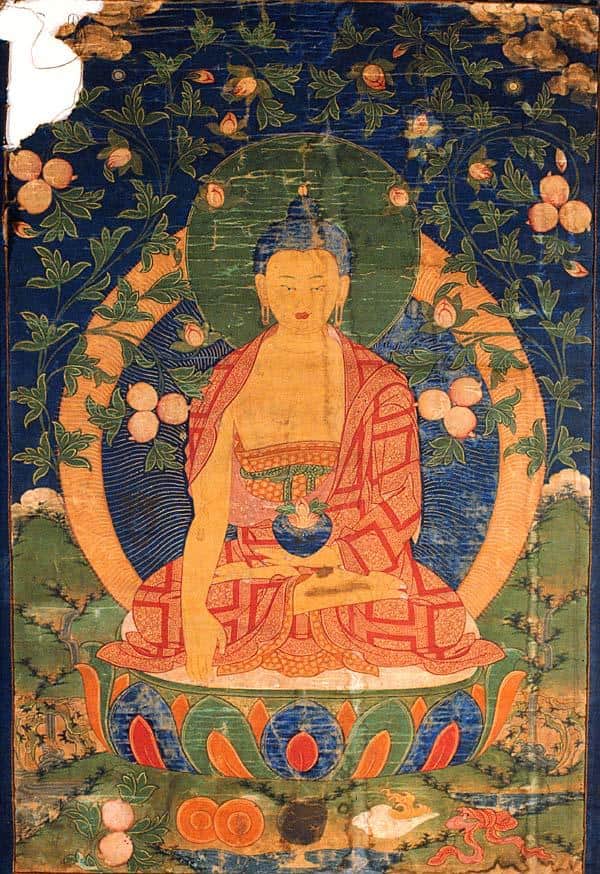
Oltre alla collezione permanente, vengono organizzate anche mostre tematiche speciali su base stagionale, nonché esposizioni d'arte in collaborazione con artisti contemporanei
A colpo d'occhio
Daigo-ji is a major Shingon Buddhist temple in Fushimi-ku, Kyoto, and the head temple of the Shingon Daigo-ha branch. It is part of the UNESCO World Heritage Site “Historic Monuments of Ancient Kyoto,” recognized in 1994 for its wooden architecture and garden traditions. The temple is famed for vast precincts on Mount Daigo and as the site of Toyotomi Hideyoshi’s celebrated cherry blossom viewing in 1598.
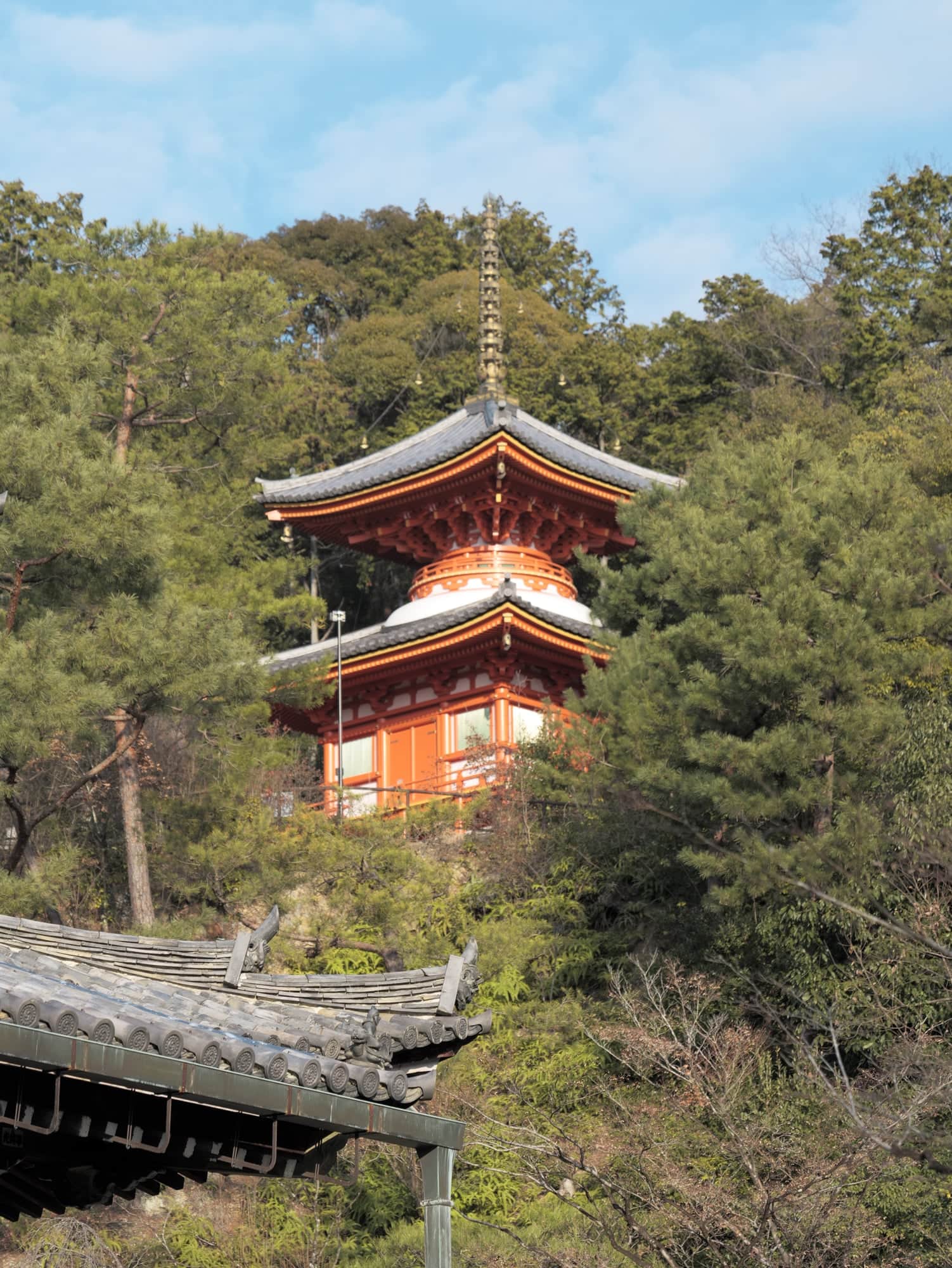
Founded in 874 by the monk Shōbō (Rigen Daishi), Daigo-ji developed through the Heian and medieval periods as an important esoteric center. Fires and warfare led to losses, but key structures were rebuilt, and patronage in the Azuchi–Momoyama era revived the complex. The five-story pagoda from 951 is the oldest surviving building in Kyoto, and many halls date from the 16th–17th centuries.
The complex spans lower, middle, and upper precincts on the mountain. Visitors encounter the grand Sanbō-in sub-temple with Momoyama-era architecture and gardens, the Kondō (Main Hall), the five-story pagoda, and the vermilion Bentendō by a pond. A steep trail leads to the Kami-Daigo upper precinct with early halls and mountain worship sites. The temple museum preserves an extensive collection of sculptures, mandalas, and documents, including National Treasures and Important Cultural Properties.
Daigo-ji’s principal image is Yakushi Nyorai, enshrined as a hibutsu (hidden Buddha), reflecting Shingon esoteric worship. The temple is the 11th stop on the Saigoku Kannon Pilgrimage, linking it to a wider devotional route across western Japan. Seasonal rituals, Buddhist ceremonies, and historical associations position Daigo-ji as a key locus of religious practice and cultural heritage in Kyoto.
Toyotomi Hideyoshi piantò più di 700 ciliegi qui prima di ospitare la sua leggendaria festa di osservazione dei fiori nel 1598, rendendola una delle celebrazioni più sontuose della storia.
L'acqua di sorgente del tempio, che si dice abbia il sapore del nettare, ha ispirato il suo nome: Daigoji significa "Gusto Squisito" in giapponese, collegando l'origine del tempio all'acqua stessa che scorre dal Monte Daigo.
Questo tempio offerte 1 diversi modelli Goshuin
Come gli orari di apertura
Regolare
Main grounds and museum are wheelchair accessible. Some temple areas have steps. Accessible toilets available.
Oltre alla collezione permanente, vengono organizzate anche mostre tematiche speciali su base stagionale, nonché esposizioni d'arte in collaborazione con artisti contemporanei
Indossate scarpe comode da passeggio poiché il terreno del tempio è esteso e include molte scale.
Il complesso templare si estende su tre distinti recinti attraverso il Monte Daigo, con un ripido sentiero di montagna necessario per raggiungere l'area superiore di Kami-Daigo, quindi dedicate almeno 3-4 ore per una visita completa e indossate scarpe da trekking robuste se intendete esplorare oltre i terreni inferiori.
Se vuoi andare oltre il turismo, chiedi al tuo arrivo delle sessioni di meditazione e dei rituali stagionali di Daigo-ji. Puoi partecipare o osservare i monaci: la pratica continua da oltre 1.150 anni.
Visita a febbraio o all'inizio dell'inverno se desideri sperimentare la bellezza architettonica e dei giardini del tempio senza le folle schiaccianti che arrivano per i ciliegi in fiore primaverili.
Se visitate durante la stagione della fioritura dei ciliegi in primavera (da fine marzo a inizio aprile), arrivate entro le 8:30 del mattino o visitate nei giorni feriali per evitare le folle massicce che si radunano per i famosi ciliegi piangenti.
Visitate durante la stagione della fioritura dei ciliegi per vivere l'esperienza del luogo dove Toyotomi Hideyoshi tenne la sua leggendaria festa di hanami nel 1598, anche se dovrete aspettarvi folle decisamente più numerose durante questo periodo di punta agli inizi di aprile.
Gli spiriti divini veneravano in questo luogo sacro
5 strutture sul terreno
Durata della visita
90+ minuti
Altre pagine utili collegate a questo luogo.
Entro 300 m Entro 600 m
Fushimi, Kyoto Prefettura
Ciò che si crede questo luogo possa concedere
4 post recenti
5.0
2 recensioni
Pianifica almeno 3 o 4 ore se desideri vedere l'intero complesso, che si estende su tre recinti sul Monte Daigo. I terreni inferiori sono gestibili, ma raggiungere l'area superiore di Kami-Daigo significa affrontare un ripido sentiero di montagna, quindi indossa scarpe robuste. All'inizio di aprile arrivano grandi folle per la stagione dei fiori di ciliegio, quando i terreni si animano con lo stesso paesaggio che Toyotomi Hideyoshi scelse per la sua famosa festa hanami del 1598.
Oltre lo spettacolo stagionale, il sito ospita anche mostre tematiche itineranti e occasionali collaborazioni con artisti contemporanei, quindi potrebbe esserci qualcosa di extra da vedere a seconda di quando visiti.
 MM
MMMarcus Mok ha fatto il check-in
Daigo-ji
Fushimi, Kyoto
 AP
APAlessia Petringa ha condiviso un goshuin