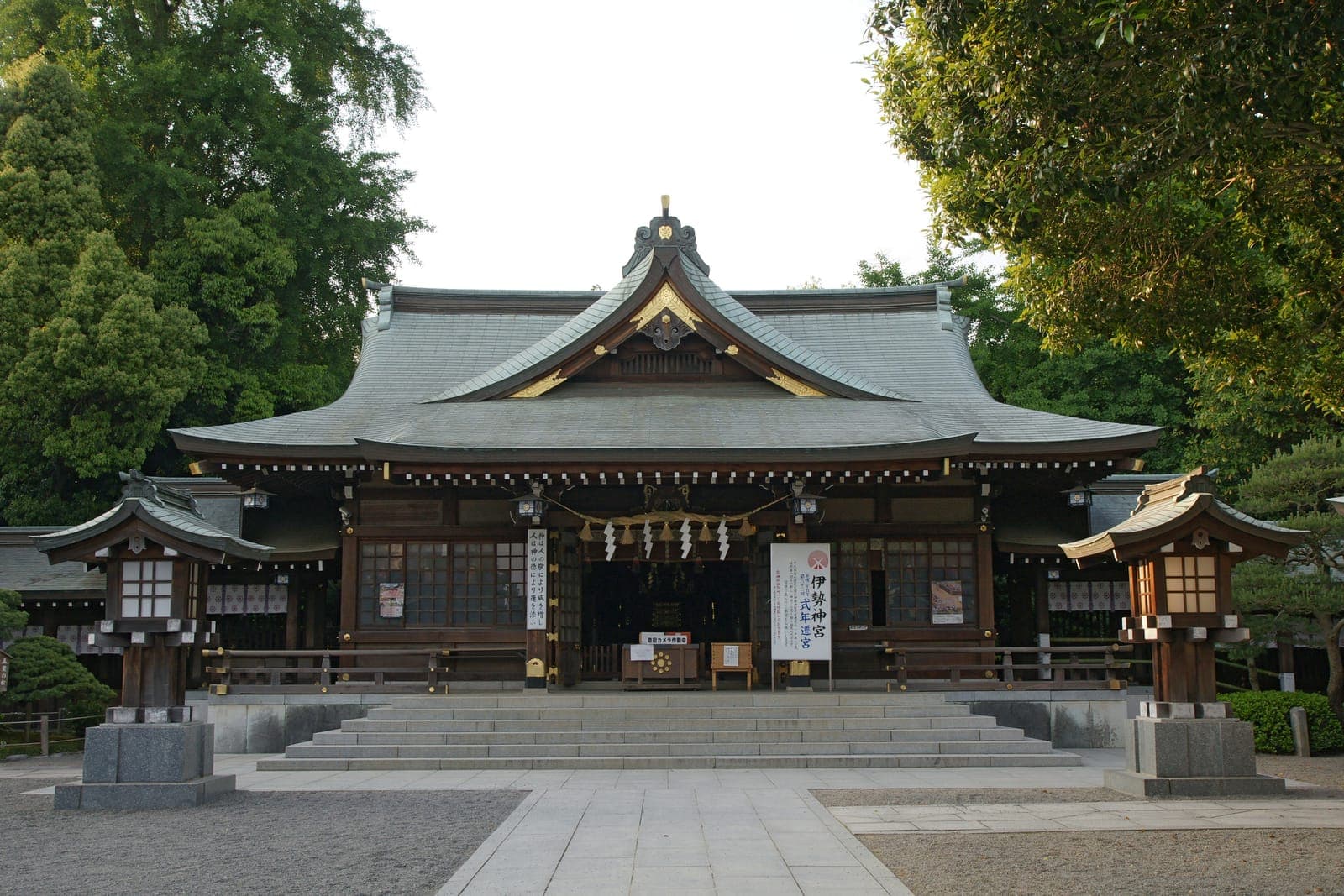
Honmyoji is a historic Buddhist temple in Kumamoto's Nishi Ward, known for its serene atmosphere and traditional architecture. The temple serves as an important spiritual center in the region, offering visitors a peaceful retreat for prayer and contemplation.
Adresse: 4-chōme-13-1 Hanazono, Nishi Ward, Kumamoto, 860-0072, JapanSite web
A historic Hachiman shrine in Kumamoto dedicated to the god of war and archery. Known for its annual autumn festival, the Fujisaki Hachimangu Reitaisai, featuring traditional processions and horseback archery demonstrations.
Adresse: 3-1 Igawabuchimachi, Chuo Ward, Kumamoto, 860-0841, JapanSite web
Aso Jinja est un sanctuaire shinto historique situé à Aso, Kumamoto, près du Mont Aso. C'est l'un des plus anciens sanctuaires du Japon, traditionnellement lié au clan Aso et connu pour sa porte Romon reconstruite, ses biens culturels importants et ses...
Pourquoi y aller
The Aso family, who have managed this shrine for over 2,000 years, hold the second-oldest recorded lineage in Japan after the Imperial family itself.
The torii gates stand on either side of the tower gate rather than in front, with one facing Mount Aso to mark the direction from which the volcano god arrives.
During the 2023 restoration of the collapsed tower gate, workers discovered the original builder's signature showing he was only 22 years old when he constructed it in the 1700s.
Le sanctuaire Izumi se trouve dans le jardin Suizenji Jojuen à Kumamoto, près d’un étang et de jardins paysagers. Fondé en 1878, il rend hommage aux anciens seigneurs Hosokawa de Higo. On y voit un petit honden et une allée bordée de pins.
Katō Jinja est un sanctuaire Shinto situé dans le château de Kumamoto, à Kumamoto, consacré à Katō Kiyomasa et aux figures qui lui sont associées. Établi en 1871, il a été déplacé plusieurs fois et offre désormais des vues sur le château, des mémoriaux...
Pourquoi y aller
Plan your visit for early weekday mornings if you want to pray or photograph without competing with crowds, but know that New Year (first three days) draws roughly 400,000 visitors seeking blessings from Seishoko-san for good luck and success.
Arrive with cash if you want to make an offering or purchase omamori (protective amulets), as smaller shrines may not accept cards, and bring comfortable shoes since the shrine sits on a hilltop with views requiring some walking around the grounds.
If you're visiting to pray, know that Kato Kiyomasa is particularly revered by builders, architects, athletes in competitive sports, students facing exams, and people seeking help with illness, so your specific petition may resonate with the shrine's spiritual focus.