
Goshuin-Bildforschung
Visuelle Elemente in Goshuin: ein geprüfter Vergleich
10 geprüfte öffentliche Goshuin teilen 6 dokumentierte visuelle Elemente.
Zusammenfassung
- Der Bericht umfasst nur Bildelemente, die die redaktionelle Prüfung bestanden haben und veröffentlicht wurden.
- Er umfasst derzeit 10 öffentliche Einträge, 54 unterschiedliche Elemente und 73 markierte Bildbereiche.
- Die Zahlen beschreiben diese geprüfte Stichprobe. Sie messen nicht, wie verbreitet ein Element unter Goshuin in Japan ist.
Von
Goshuin Database Research
Datenstand
19. Oktober 2026 um 15:15
Verwenden
Die geprüften Quellbilder ansehen
Wählen Sie jeweils einen Eintrag aus. Jedes Bild behält seine ursprünglichen Proportionen, damit alle dokumentierten Umrisse sichtbar bleiben.
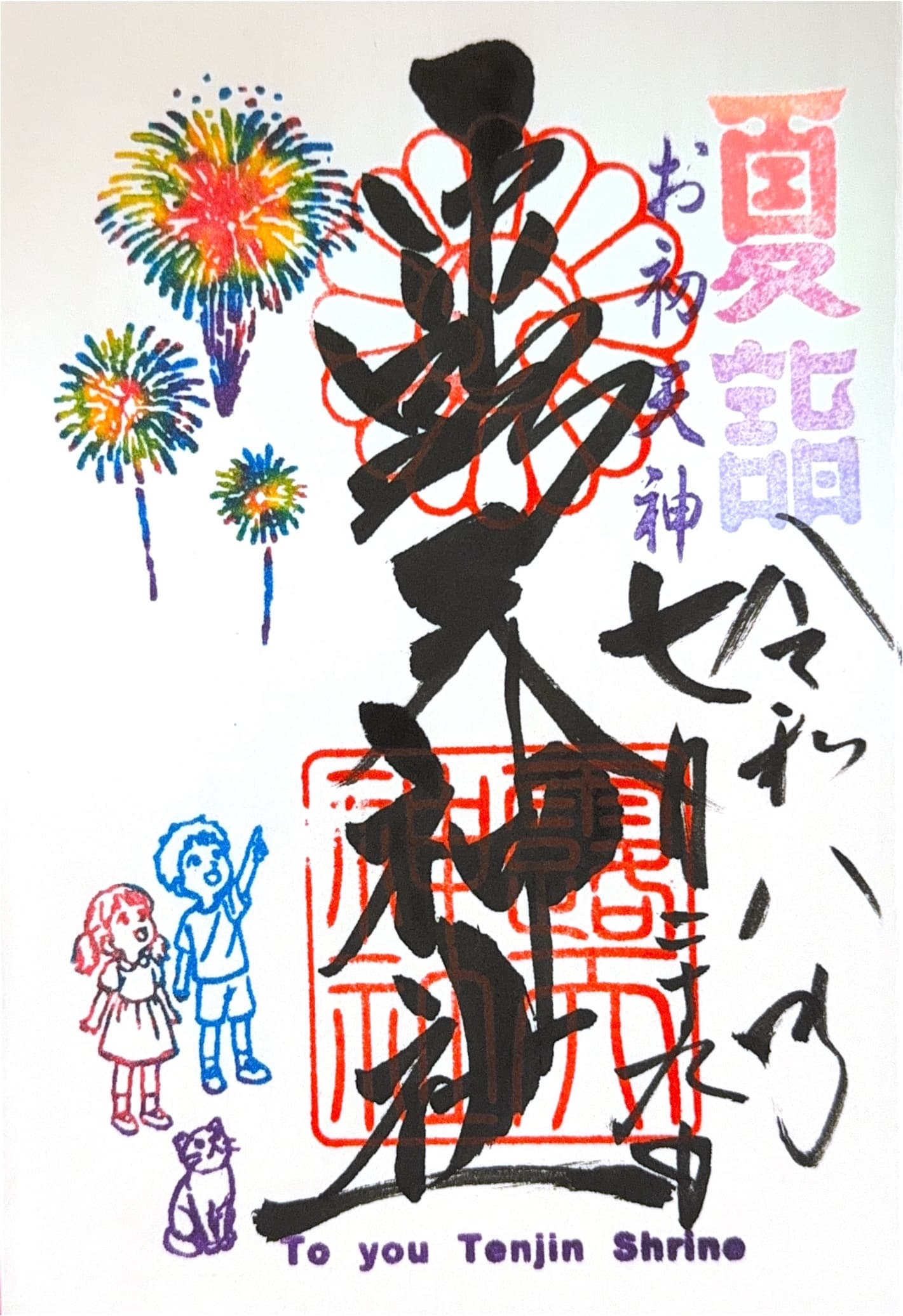
Tsuyuno Tenjinsha
gsn-15mrn70
Was in der geprüften Stichprobe vorkommt
Diese Übersichten fassen die gesamte Momentaufnahme zusammen. Einträge werden pro visueller Kategorie einmal gezählt, Inschriften, Siegel und Identitätsangaben dagegen separat.
Visuelle Themen
Anteil der geprüften Einträge, die mindestens ein Element der jeweiligen Katalogkategorie enthalten.
- Tiere2 / 10 Einträge
2 unterschiedliche geprüfte Elemente
- Mythische und übernatürliche Wesen3 / 10 Einträge
4 unterschiedliche geprüfte Elemente
- Pflanzen3 / 10 Einträge
3 unterschiedliche geprüfte Elemente
- Natur, Wetter und Himmelskörper3 / 10 Einträge
2 unterschiedliche geprüfte Elemente
- Menschen und Figuren1 / 10 Einträge
1 unterschiedliches geprüftes Element
- Architektur und Orte2 / 10 Einträge
2 unterschiedliche geprüfte Elemente
- Rituelle und kulturelle Objekte2 / 10 Einträge
2 unterschiedliche geprüfte Elemente
- Symbole, Wappen und Muster4 / 10 Einträge
4 unterschiedliche geprüfte Elemente
- Saisonale Bräuche und Alltagsgegenstände2 / 10 Einträge
2 unterschiedliche geprüfte Elemente
Schrift, Siegel und Identitäten
Unterschiedliche geprüfte Angaben nach Annotationstyp über die gesamte Stichprobe.
- Inschriften24 Angaben
Vorhanden in 9 geprüften Einträgen
- Siegel8 Angaben
Vorhanden in 7 geprüften Einträgen
Visuelle Elemente nach Kategorie erkunden
Getrennte Diagramme halten Tiere, Pflanzen, Natur, Gebäude, Muster und die übrigen kontrollierten Katalogkategorien lesbar, während die geprüfte Sammlung wächst.
Tiere
2 Elemente
In 2 von 10 geprüften Einträgen gefunden.
- Katze1 / 10
- Pferd1 / 10
Mythische und übernatürliche Wesen
4 Elemente
In 3 von 10 geprüften Einträgen gefunden.
- Shishi-Löwe2 / 10
- Drache1 / 10
- Komainu1 / 10
- Phönix1 / 10
Pflanzen
3 Elemente
In 3 von 10 geprüften Einträgen gefunden.
- Chrysantheme1 / 10
- Lotos1 / 10
- Pflaumenblüte1 / 10
Natur, Wetter und Himmelskörper
2 Elemente
In 3 von 10 geprüften Einträgen gefunden.
- Wolke2 / 10
- Welle1 / 10
Menschen und Figuren
1 Element
In 1 von 10 geprüften Einträgen gefunden.
- Kind1 / 10
Architektur und Orte
2 Elemente
In 2 von 10 geprüften Einträgen gefunden.
- Schreingebäude1 / 10
- Turm1 / 10
Rituelle und kulturelle Objekte
2 Elemente
In 2 von 10 geprüften Einträgen gefunden.
- Fächer1 / 10
- Laterne1 / 10
Symbole, Wappen und Muster
4 Elemente
In 4 von 10 geprüften Einträgen gefunden.
- Tomoe3 / 10
- Asanoha-Muster1 / 10
- Chrysanthemenwappen1 / 10
- Seigaiha-Muster1 / 10
Saisonale Bräuche und Alltagsgegenstände
2 Elemente
In 2 von 10 geprüften Einträgen gefunden.
- Feuerwerk1 / 10
- Musikinstrument1 / 10
Wie dieser Bericht wächst
Die Seite ist für einen kleinen Anfang und eine viel größere geprüfte Stichprobe ausgelegt. URL und Zitierformat bleiben gleich.
Neue Einträge verändern die Gesamtauswertung
Jede neu veröffentlichte Prüfung aktualisiert die Verbreitung der Kategorien und die zugehörigen Zahlen. Die Diagramme fügen nie eine eigene visuelle Spalte pro Goshuin hinzu.
Gemeinsame Elemente werden sorgfältig ermittelt
Taxonomiebegriffe und Gottheitsbezüge werden über ihre kanonische Identität abgeglichen. Inschriften und Siegel gelten nur dann als übereinstimmend, wenn ihr geprüfter öffentlicher Text identisch ist.
Eine wöchentliche Momentaufnahme hält Zitate stabil
Die geplante Aktualisierung am Montag liest die neuesten geprüften öffentlichen Annotationen. Schlägt eine Aktualisierung fehl, bleibt die letzte erfolgreiche Momentaufnahme online.
Methodik und Grenzen
Die redaktionelle Prüfung entscheidet, was öffentlich ist.
Einbezogen
Bereiche im aktuellen Bild, die mit geprüften öffentlichen Merkmalen, Inschriften, Siegeln, Gottheitsbezügen oder Hauptmotiven freigegebener öffentlicher Goshuin-Einträge verknüpft sind.
Ausgeschlossen
Ausstehende Vorschläge, interne Prüfnotizen, ersetzte Bilder, gelöschte Einträge und Einträge, die nicht zur öffentlichen Nutzung freigegeben sind.
Fehlen ist kein Beweis
Fehlt eine Kategorie oder ein Element, gibt es in dieser Momentaufnahme keine geprüfte öffentliche Verknüpfung. Es kann trotzdem im Bild sichtbar sein oder noch auf die redaktionelle Prüfung warten.
Fragen, die sich damit nicht beantworten lassen
Diese Stichprobe kann weder kulturelle Bedeutung noch regionale Verbreitung, historischen Wandel oder die Häufigkeit visueller Elemente unter Goshuin in Japan messen.