In Província de Ishikawa, start with sacred sites such as Encho-ji, Utasu, and Myoryu-ji, with 2 highlighted cities and wards to start from. Use the listings below to compare temple and shrine clusters, check goshuin details, and plan visits by area.
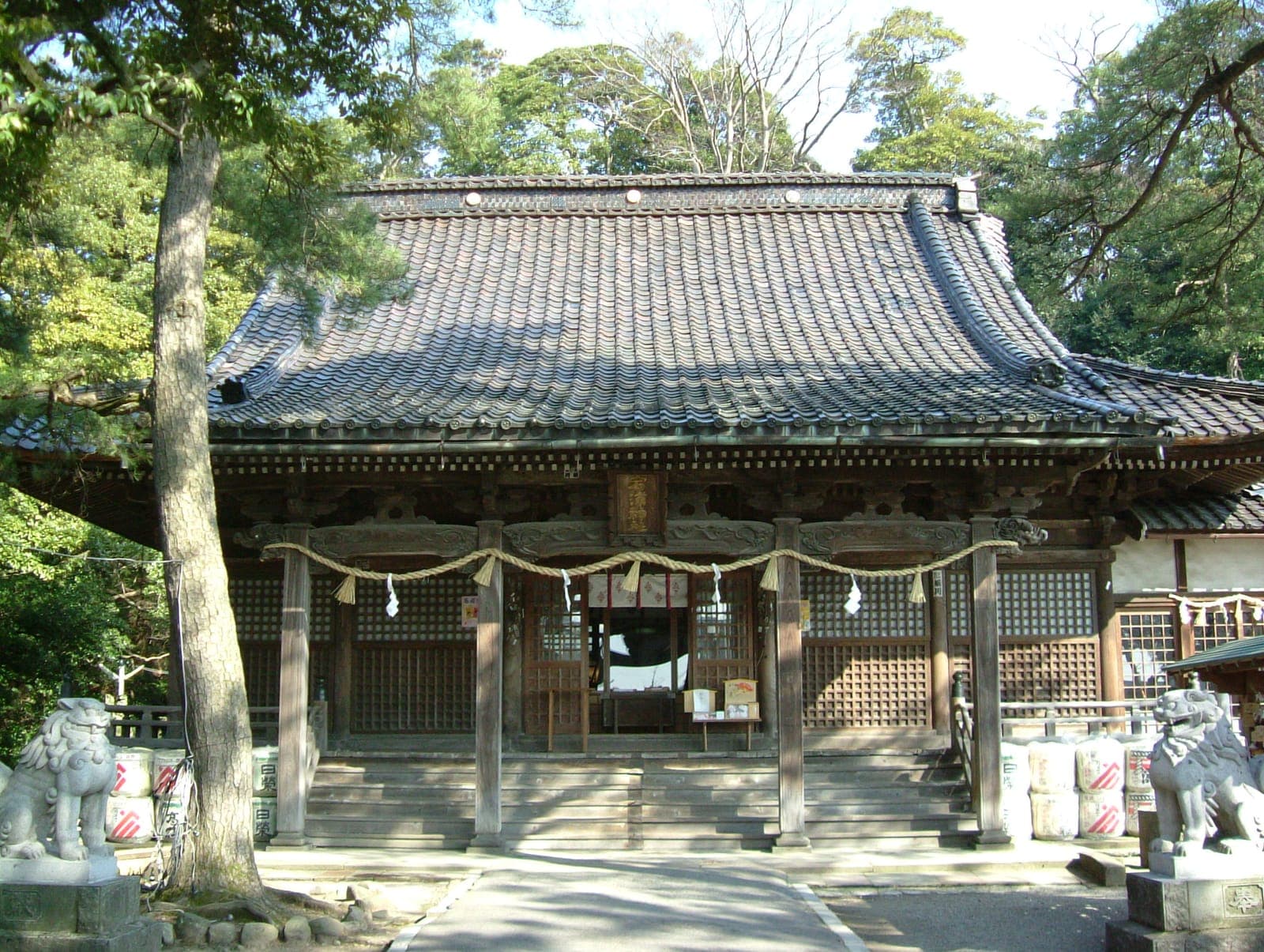
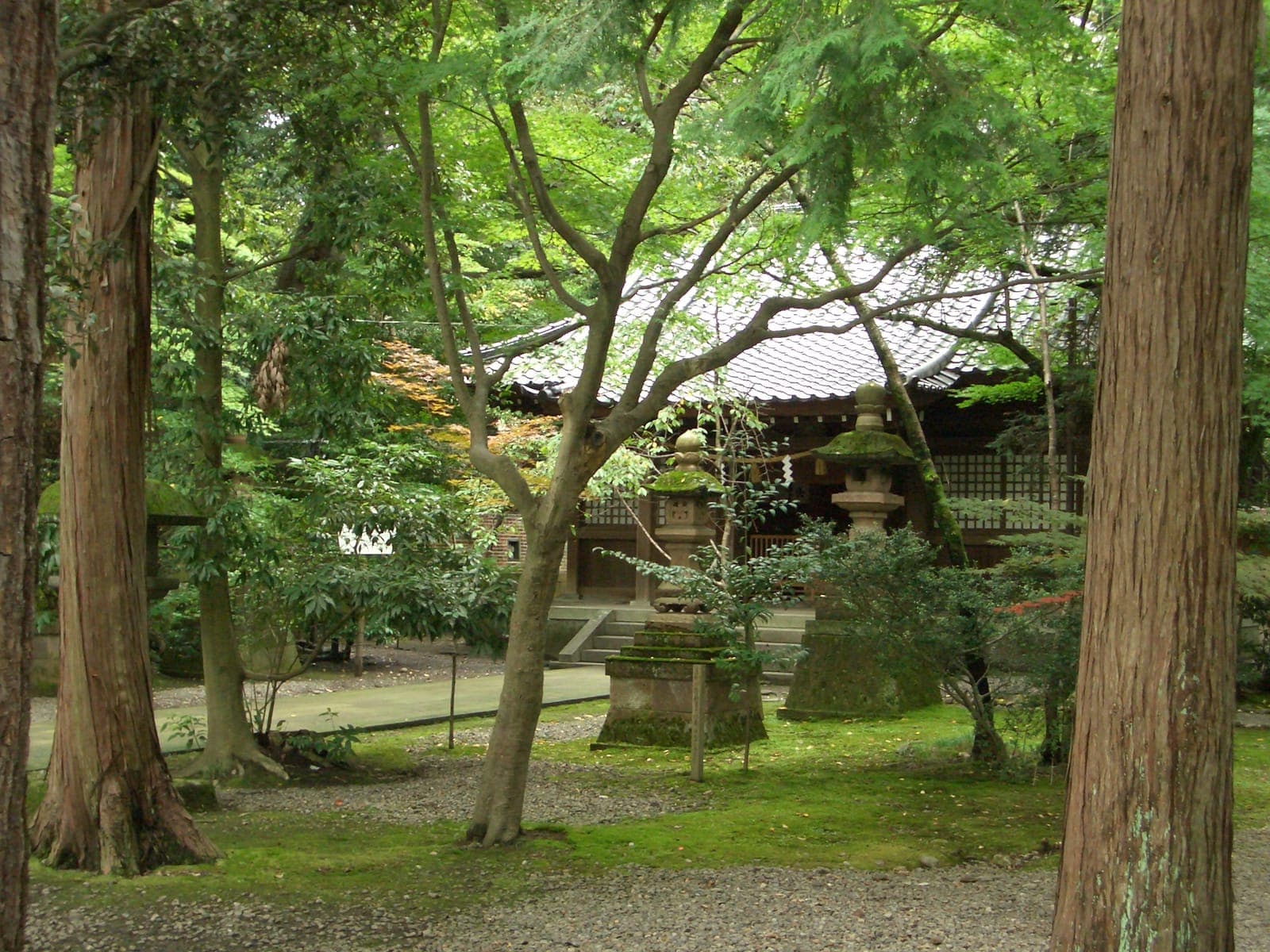
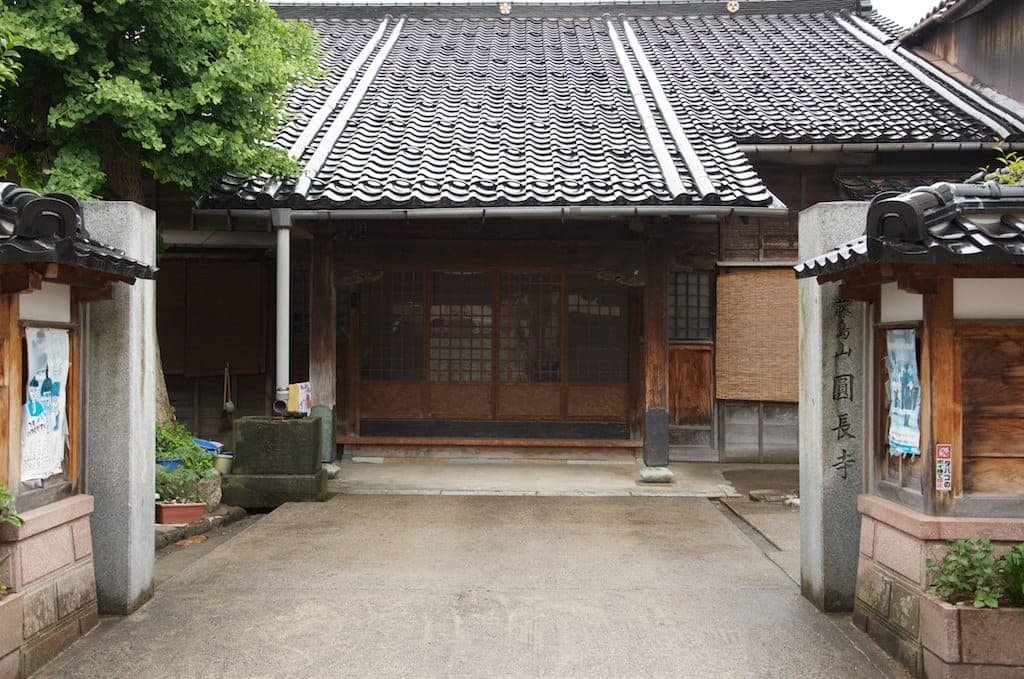
Enchoji is a Buddhist temple located in Ishikawa Prefecture, Japan. Situated in the Hakusan area, it is a traditional Japanese temple that serves the local community. The temple features classic Japanese Buddhist architecture and offers a tranquil setting...
Endereco: 1 Chome-4-40 Higashiyama, Kanazawa, Ishikawa 920-0831, Japan
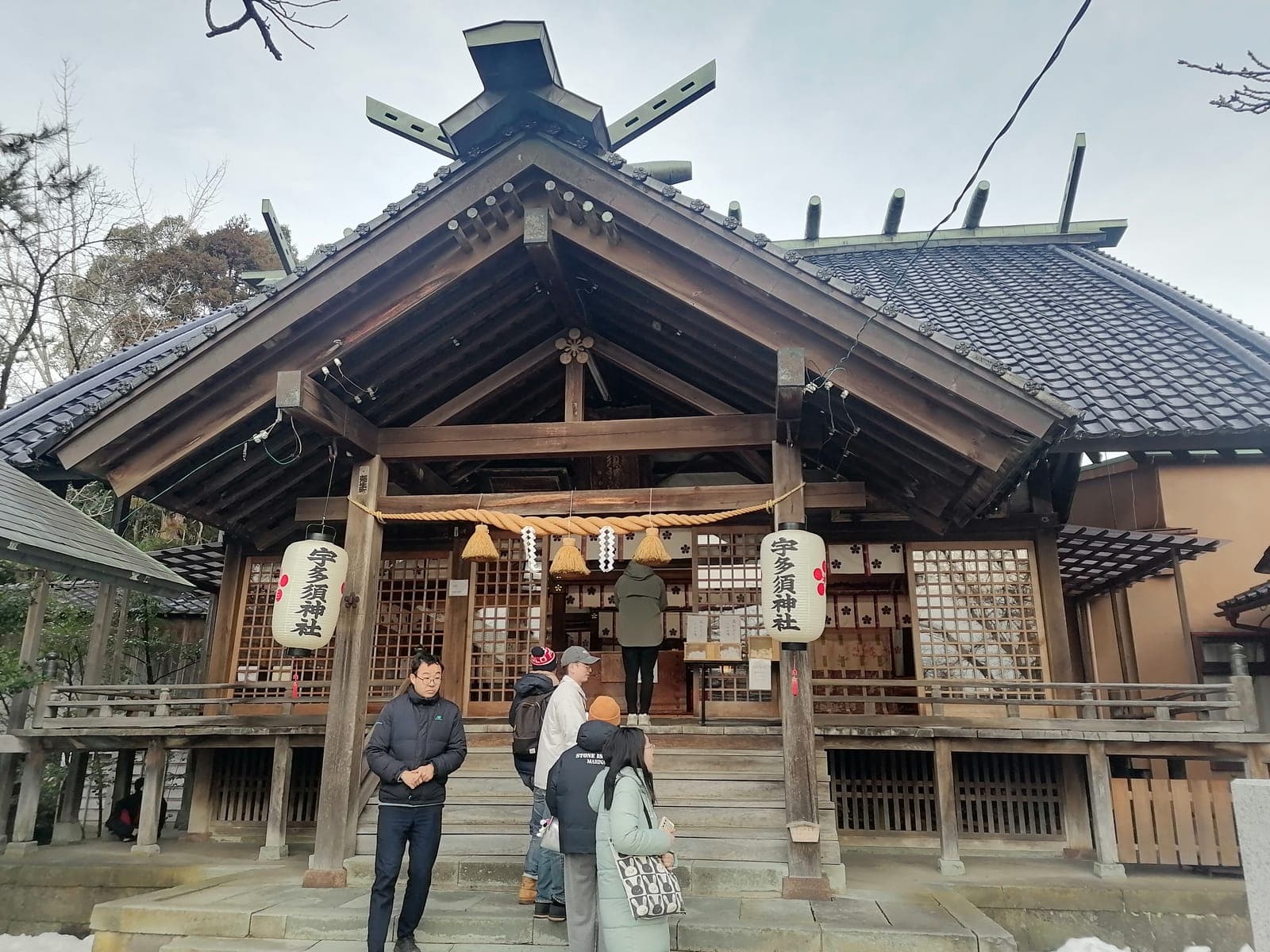
Utasu Shrine is a historic Shinto shrine in Kanazawa’s Higashiyama district, near the Higashi Chaya area. Tradition says it began from a mirror unearthed by the Asano River and later became associated with the Maeda clan and local festivals.
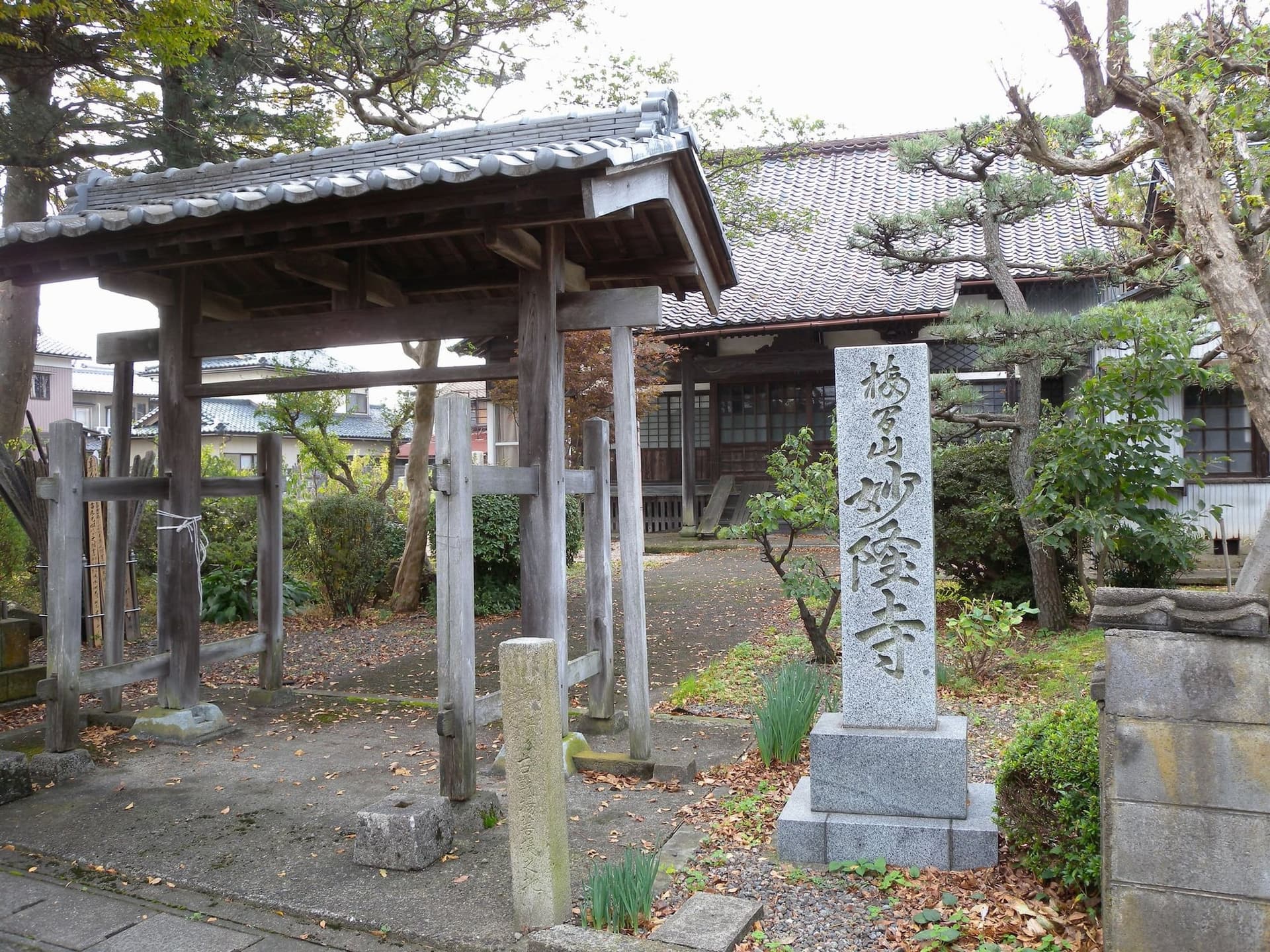
Myōryūji (妙立寺), ou “Ninjadera”, é um templo budista de Nichiren fundado em 1643 em Kanazawa, Ishikawa. Construído para o clã Maeda, apresenta portasarmadilha, escadas ocultas e salas escondidas, arquitetura defensiva que lhe rendeu o apelido de ninja, embora...
Por que voce deveria ir
Aos 21 anos, o monge Nisshin realizou uma austera e brutal prática de 100 dias no inverno, nas águas do lago do templo, ainda chamado “Gyō-no-ike” (Lago da Prática), visível hoje nos terrenos.
O templo abriga uma estátua de madeira de keyaki, em uma única peça, de Jurōjin, um dos Sete Deuses da Sorte, cujo companheiro veado simboliza 3.000 anos de longevidade.
Se você levar seu próprio livro de goshuin (não o oficial de Kamakura Shichifukujin), saiba que o templo pode fornecer um bilhete já preenchido em vez de escrever no seu livro; esclareça sua preferência no escritório do templo.
Endereco: 1 Chome-2-12 Nomachi, Kanazawa, Ishikawa 921-8031, Japan
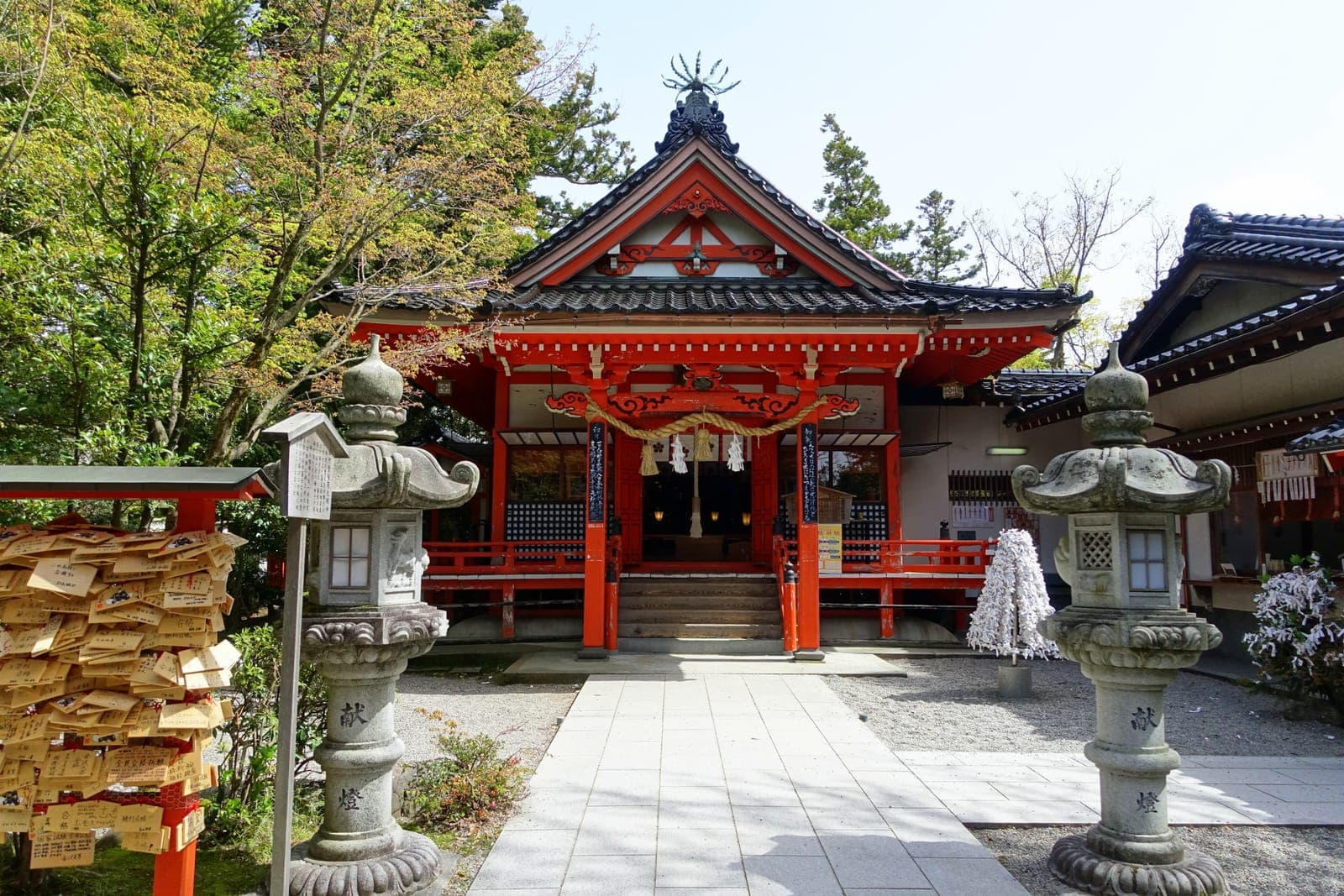
Ishiura Shrine is an ancient Shinto shrine in central Kanazawa, said to be the city’s oldest and linked to origins in the Kofun period. Its vermilion gates, lucky charms, and accessible location near major sights make it popular with visitors.
Por que voce deveria ir
Plan for about 30 minutes at the shrine itself, but arrive early in the day if you want a quieter experience, since the shrine is particularly popular with female visitors seeking blessings for finding soulmates and can draw steady foot traffic.
Bring cash and small bills if you want to purchase omamori (lucky charms) or ema plaques, since the shrine does not accept credit cards and the office only operates 9:00-16:00 daily.
Look for the shrine's cute mascot character Kima-chan and the distinctive polka-dot pattern charms (which symbolize 'all is well') if you want to take home a memorable souvenir that reflects the shrine's playful approach to traditional spirituality.
Hosenji é um templo budista Koyasan Shingon em terreno elevado em Kanazawa, conhecido por sua divindade Marichiten oculta, seus prolongados rituais de fogo goma e vistas panorâmicas sobre a cidade e o mar. Também é chamado de Gohonmatsu e está ligado à...
Por que voce deveria ir
The temple's main deity, Marici-ten, is a secret Buddha displayed only once yearly on November 29th. If you cannot visit on that date, ask the priest about the deity's significance and symbolism during your visit, as understanding the hidden nature of this protector deity enriches the experience.
Plan to arrive by foot from the Hashiba-cho bus stop (about 10 minutes away), but give yourself extra time for the steep staircase climb at the end.
Bring cash if you want to purchase a victory charm (Kachimamori) or receive a seal stamp, as the temple may have limited payment options.
Um santuário Shinto único em Kanazawa com um portão de três andares distintivo com vitrais, mesclando estilos arquitetônicos japoneses e ocidentais. Dedicado a Maeda Toshiie, fundador do Domínio de Kaga, e sua esposa Matsu.
Um santuário Shinto em Kanazawa, Ishikawa, próximo ao Jardim Kenrokuen. Construído em 1794 pelo 11º senhor Maeda para proteger o jardim, ele consagra os ancestrais do clã Maeda e oferece um local tranquilo com vínculos históricos à cidade do castelo.
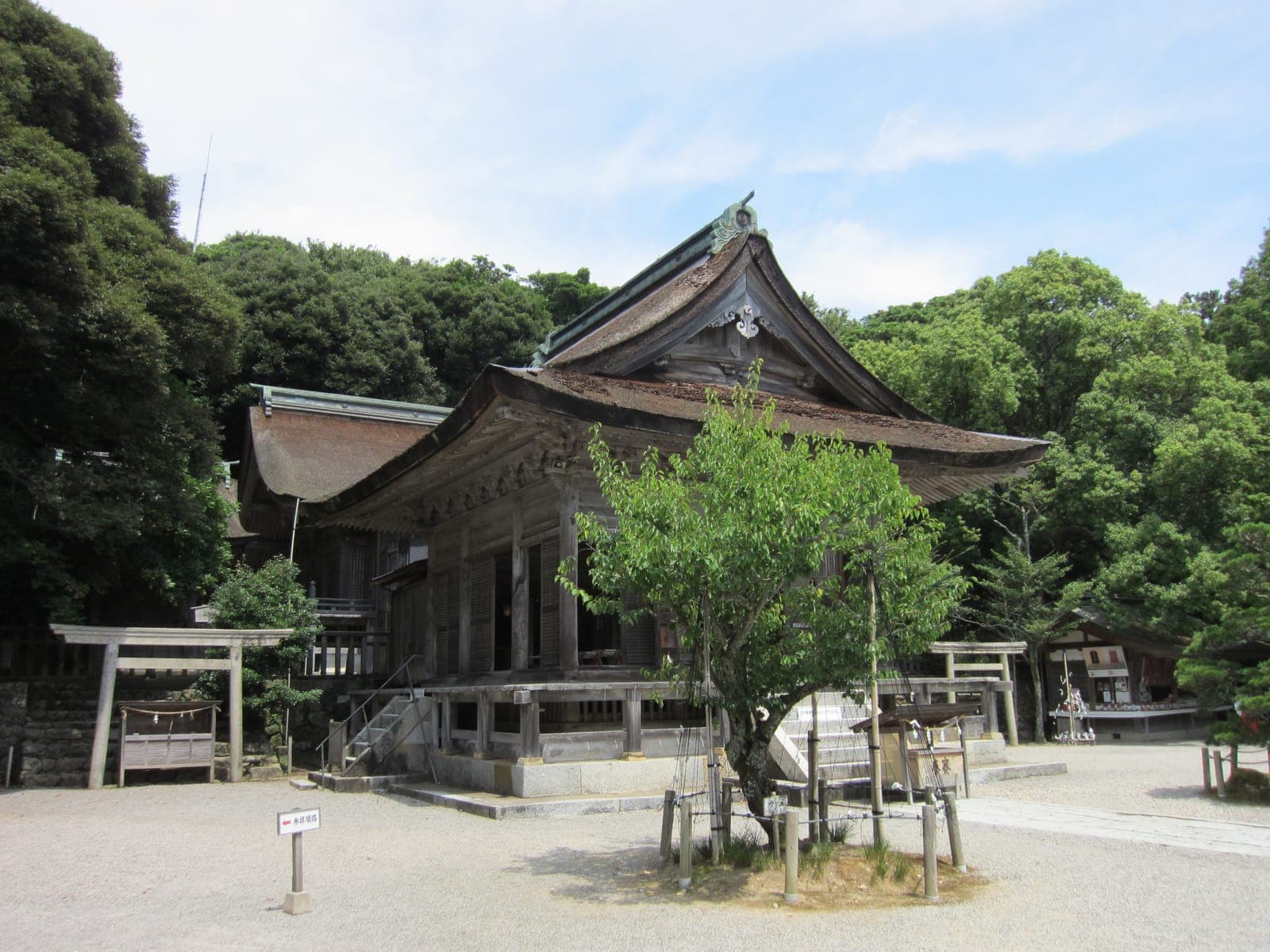
Katte Jinja é um santuário Shinto no Japão. Os dados de localização disponíveis apontam para o santuário conhecido como Keta Taisha nas coordenadas fornecidas em Hakui, Ishikawa. É um local de adoração e atração local, com um ambiente de santuário histórico...