Entrada
Gratuito
Tambem conhecido como Hinokuma-jingu, Kunikakasu-jingu
Wakayama, Wakayama Provincia
Resumo
Founded over 2,600 years ago, Nichizen-gū shares the same sacred rank as Ise Grand Shrine, Japan's most important Shinto sanctuary, yet remains far less crowded.
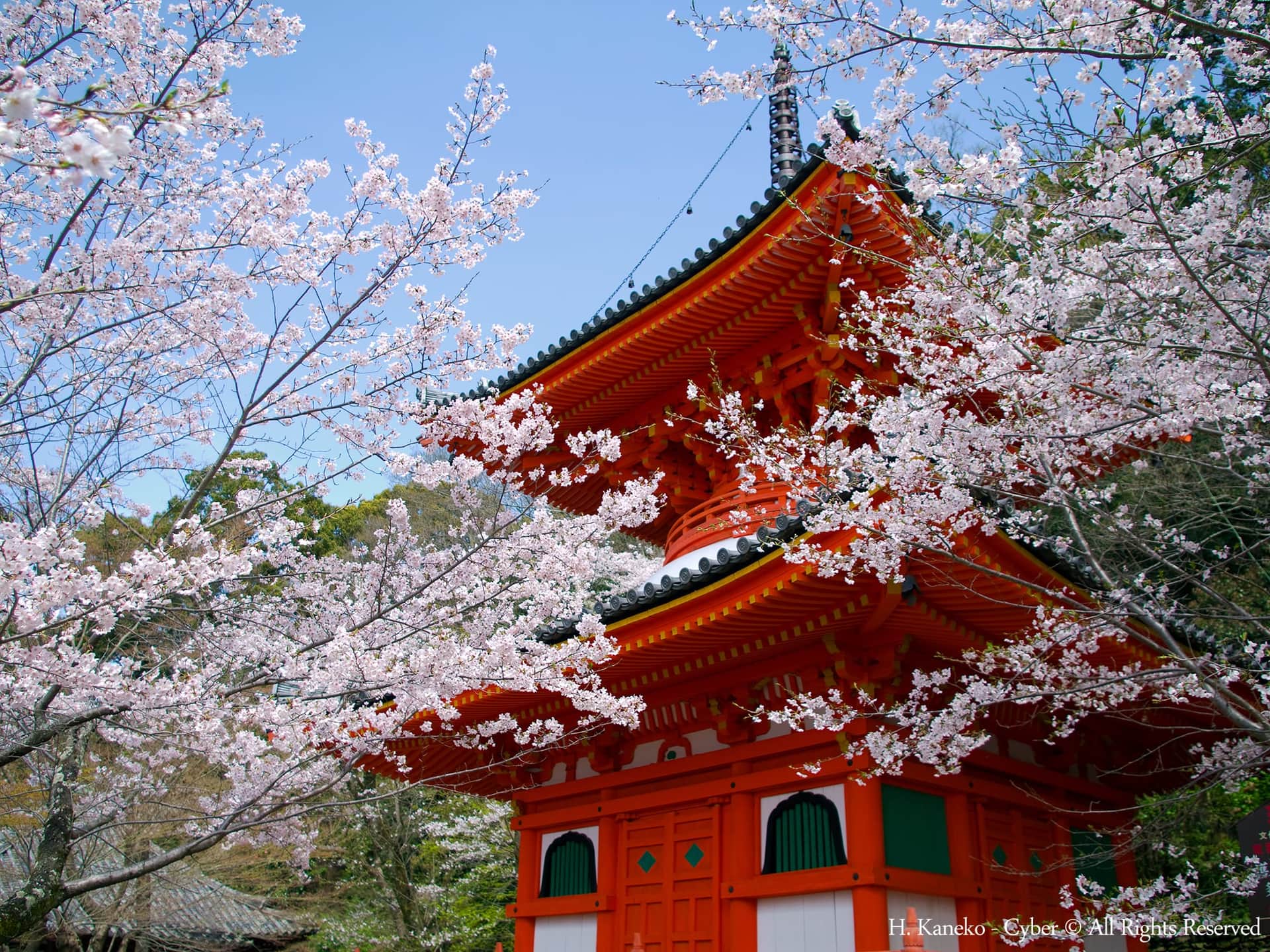
The shrine's name uses the character 'ni' meaning vermillion, emphasizing the brilliant red color thought to ward away evil spirits throughout the complex.
Este santuario oferece 1 designs diferentes de goshuin
Regular
Gratuito
Instalacoes
Plan to spend 20 to 30 minutes at the shrine itself, but allow extra time if you're doing the Sansha Mairi (visiting three shrines) route around Wakayama City, which includes Kamayama Jinja and Itakiso Shrine as well.
Take the Wakayama Electric Railway Kishigawa Line directly to Nichizengu Station, which is only about one minute on foot from the shrine entrance, making it far more convenient than driving if you're unfamiliar with the area.
Visit during the Nichizengu Ebisu Mairi festival from January 9 to 11 if you want to see the shrine transformed with red banners lit up at night and browse traditional lucky items like kumade and fukudawara amulets.
Arrive during prayer hours between 9:00 and 16:00 if you want to make an offering or receive a blessing, as the awarding place operates on a different schedule (8:00 to 17:00) than the main prayer hours (5:00 to 16:40).
If you visit on July 26, the kagura hall hosts a rare performance of Noh theater by firelight, offering a chance to experience classical Japanese performance art in an intimate shrine setting that most visitors never encounter.
Compartilhe como foi sua visita para ajudar outros viajantes.
Fatos fascinantes sobre este lugar
Founded over 2,600 years ago, Nichizen-gū shares the same sacred rank as Ise Grand Shrine, Japan's most important Shinto sanctuary, yet remains far less crowded.
The shrine's name uses the character 'ni' meaning vermillion, emphasizing the brilliant red color thought to ward away evil spirits throughout the complex.
The shrine honors Hinokuma-no-Okami and Kunikakasu-no-Okami, deities whose mirror is said to be the very one that lured Amaterasu from her cave in Japan's creation myth.
During the annual Nichizengu Ebisu Mairi festival (January 9-11), the shrine's approach is uniquely lined with red banners lit up at night, the only time this occurs all year.
Celebracoes sazonais e ocasioes especiais
Nichizengū Ebisu Mairi
Luck-focused shrine ceremony held from January 9 to 11, offering lucky items such as kumade and fukudawara amulets.
Noh Theater Performance by Firelight
Noh theater performance held in the kagura hall on July 26.
Main Festival
Annual main festival of Nichizengu (Hinokuma and Kunikakasu Shrine complex) held on September 26.


Mais paginas relacionadas a este lugar.