

Shirayama Hime Shrine okumiya
Inner Shrine
En bref
The shrine's crest features a gourd flower inside a three-tiered hexagon. Gourds were so rare in ancient times that they were reserved as offerings to the gods, while the tortoiseshell pattern symbolizes longevity and multigenerational prosperity.
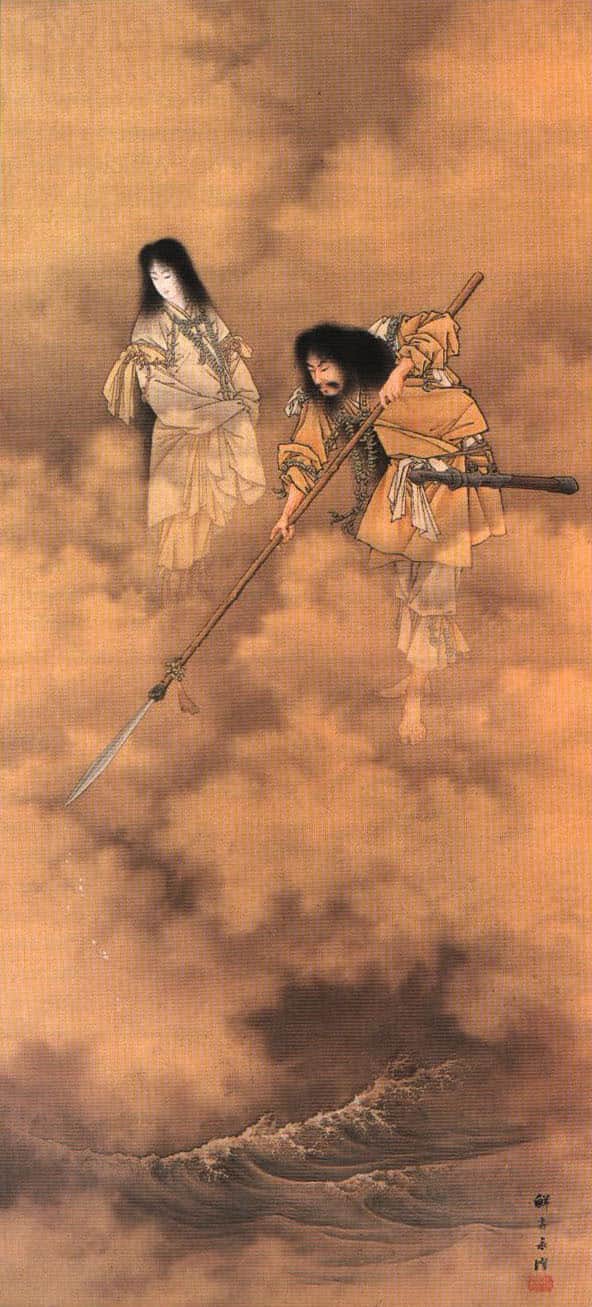
The shrine's deity Kukuri-Hime literally means 'to tie' or 'to bind,' making her the goddess of matchmaking who once helped creator gods Izanagi and Izanami reconcile their marital argument at the entrance to the underworld.
Ce sanctuaire offre des goshuin, mais nous n'avons pas encore de photos. Soyez le premier à partager le vôtre !
Équipements
Les esprits divins vénérés en ce lieu sacré
1 structures sur le site
Célébrations saisonnières et occasions spéciales
Non confirmé
Kanazawa, Ishikawa Préfecture
Ce que ce lieu est censé accorder
Autres pages utiles liées à ce lieu.
0 publications récentes
Partagez votre visite pour aider d'autres voyageurs.
Aucune publication publique de la communauté pour le moment.