특별
¥1,000
한눈에
首先吸引你眼球的是三解脱门,这座伟大的朱红色大门自1622年以来一直守护着这座寺庙。它不仅仅是一个入口,而是进入净土宗佛教逻辑的通道,在这里前进意味着放松对世俗关切的执著。经过它,在传统的理解中,你会留下三世俗烦恼——贪婪、愤怒和无知。数一数台阶和距离,整个参道就成为了一场动态的冥想:25步唤起25位菩萨,18步指的是阿弥陀佛的第18大愿,从大门到三门的距离约为108间,呼应了一个人寻求解脱的108种尘世欲望。这就是增上寺(增上寺),东京芝地区净土宗的主寺,也是宗教、历史和这座城市的记忆最生动地交汇的地方之一。
增上寺创建于1393年,是关东地区正统的念佛道场,属净土宗。其起源与宗派创始人法然上人的教义以及净土宗第8代祖师****顶譽上聪上人有关,后者在寺庙自身的传统中被尊为创始人。寺庙的山号是三恩山,其本尊是阿弥陀佛,信徒向其念诵**"南无阿弥陀佛"**的念佛祈祷。
在德川家康于1590年进入江户建立幕府统治后,寺庙的命运发生了巨大变化。1598年,增上寺被迁移到现址,成为了德川家的菩提寺和幕府的重要机构。在江户时代,它发展成了一个巨大的宗教中心,也是净土宗学问研究和僧侣培训的行政基地。在其鼎盛时期,寺院范围约826,000平方米,包括48座下属寺庙和大约150所学校,约3,000位僧侣和见习僧在此生活和研究。这不仅仅是一座寺庙,而是首都内一个庞大的宗教城市。
这种辉煌并未完整地保存下来。随着德川秩序的结束和明治时代的开始,反佛教运动严重影响了寺院建筑群。后来,在第二次世界大战期间,大殿、许多附属建筑和德川家灵庙在空袭中被烧毁或摧毁。因此,今天保留下来的既是历史的,也是重建的,是一个同样由损失和延续所塑造的地方。
寺院内现存最古老的建筑是三解脱门,正式名称是内门。建于1622年,由将军的首席木工建造,是东京现存最古老的木制结构之一,也是重要文化财。其设计尤其引人注目。大门采用精良的屋顶形式,在下层
여섯 명의 도쿠가와 쇼군이 이곳에 묻혀 있으며, 이 사찰은 한때 826,000제곱미터의 부지에 48개의 말사와 3,000명의 상주 승려를 두었던 에도 시대 일본에서 가장 강력한 불교 중심지 중 하나였습니다.
화가 가노 가즈노부는 10년에 걸쳐 500나한의 일상생활, 목욕하고, 공부하고, 지옥 장면 위를 떠다니는 모습, 을 담은 100폭의 두루마리를 제작했으나 48세에 세상을 떠났고, 그의 아내가 제자에게 마지막 4폭을 완성하도록 지시했습니다.
이 사찰은 다양한 고슈인 디자인 5가지를 제공합니다
특별
¥1,000
특별
¥500
일반
특별
¥1,000
일반
¥500
편의 시설
The main hall has an elevator for easy access. You can also rent wheelchairs, so feel free to ask for one.
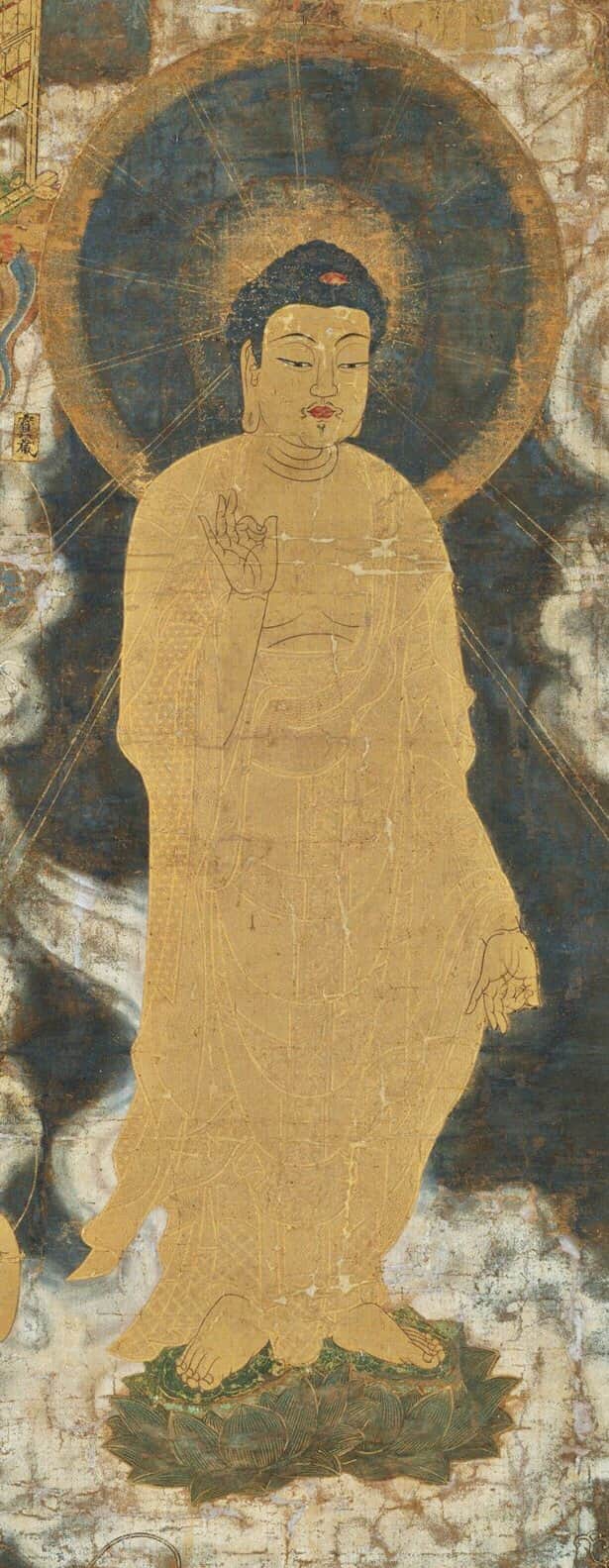
안코쿠덴 전각을 방문하여 Ieyasu Tokugawa가 숭배했다고 전해지며 그를 보호하고 전투에서 승리하도록 도왔다고 여겨지는 아미타불 흑본존상을 감상하세요.
大殿 지하의 보물관을 방문하여 1910년 런던 日英博覧会를 위해 제작되어 최근 영국 왕실 컬렉션에서 반환된 Taitokuin 영묘의 정밀한 1:10 모형을 감상하세요. 화요일 제외 매일 오전 10시~오후 4시 개관; 입장료 700엔
대종(다이본쇼)은 매일 이른 아침과 저녁에 각각 6번씩, 하루 두 차례 타종하여 108번뇌를 정화합니다. 1673년에 주조된 이 15톤짜리 종은 에도 시대 3대 명종 중 하나이니, 방문 시간을 맞춰 종소리를 들어보시기 바랍니다.
Sangedatsumon 정문은 2025년 4월부터 10년간의 복원 공사를 시작합니다. 그 전에 방문하여 1622년에 지어진 중요문화재의 현재 주홍 옻칠 모습을 감상하시거나, 공사 기간을 고려하여 계획하시기 바랍니다.
도쿠가와 쇼군 묘소 구역에 입장하려면 500엔의 입장료를 지불하세요. 이곳에는 6명의 도쿠가와 쇼군이 안장되어 있습니다. 일본에서 가장 강력했던 봉건 통치자들의 안식처를 둘러보세요.
이 신성한 장소에서 숭배되는 신령들
경내 건물 10개
The temple’s main gate, presented as the Sanmon, is the only surviving original temple building and one of Tokyo’s oldest wooden structures. It is described as an Important Cultural Property and is known for its vermillion exterior.
This sutra storehouse was built in 1613 with financial support from Ieyasu Tokugawa and later remodeled and moved in 1800. The text says it contains revolving bookshelves and has been designated as a cultural property by the Tokyo Metropolitan Government.
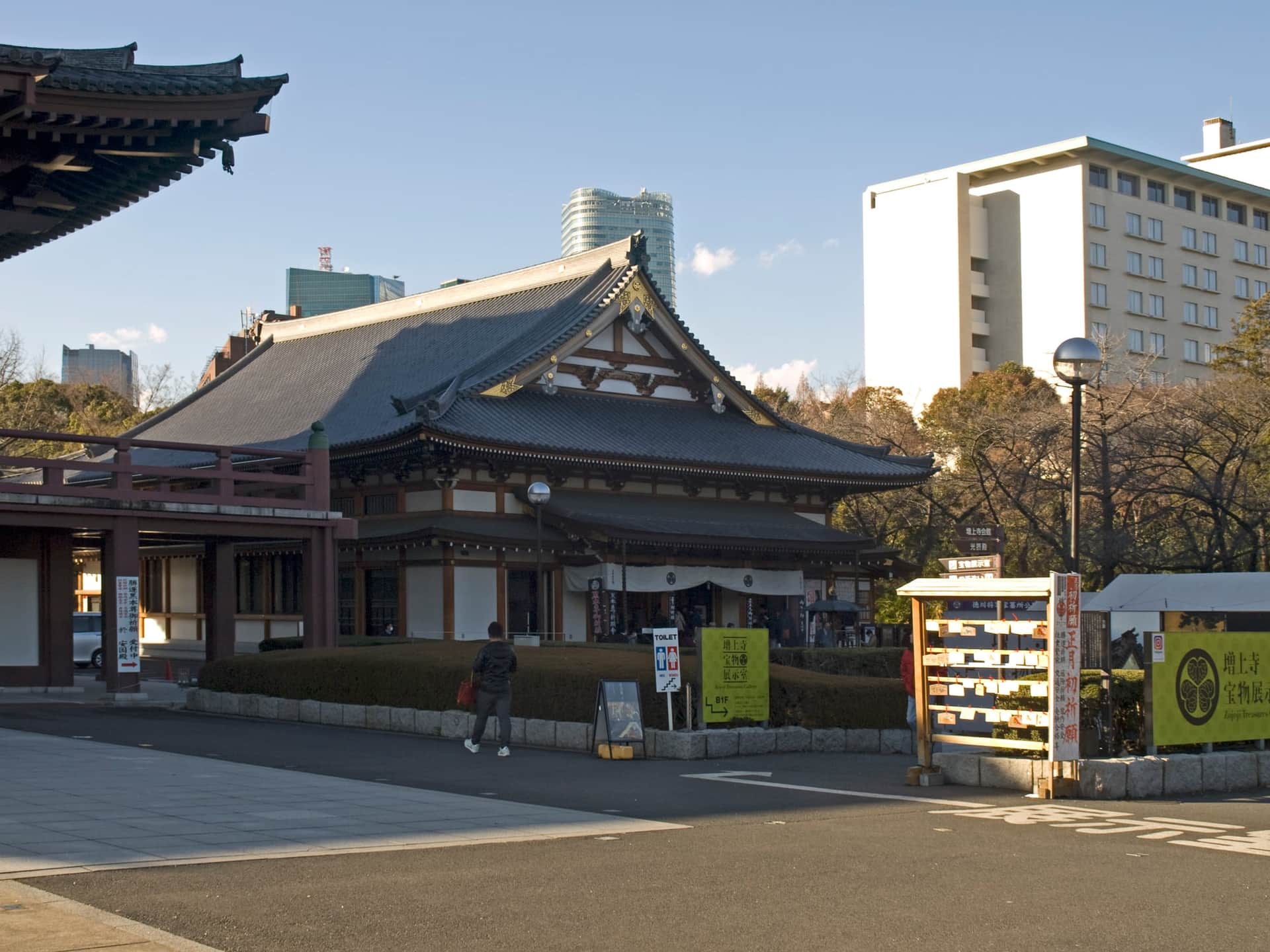
This is the temple’s main hall, described as the core of Zojo-ji’s Buddhist structures. It was rebuilt in 1974 and combines traditional Buddhist temple architecture with modern architecture.
The first basement floor of the Daiden (Great Hall) has the Treasures Gallery, an exhibition space completed in 2015. The gallery’s centerpiece is a highly detailed 1:10 scale model of the Taitokuin Mausoleum, the original burial site of the second shogun, Tokugawa Hidetada (1579–1632). The mausoleum, along with many other Zojoji Temple buildings, was destroyed in the 1945 air raids.
평소 혼잡도
활기 있음
미나토구, 도쿄도 현
이 장소와 연결된 다른 페이지입니다.
이곳이 베푼다고 여겨지는 것
최근 게시물 22개
4.0
3개 리뷰
Sangedatsumon 문을 중심으로 방문을 계획하세요. 이 1622년에 만들어진 주홍색 칠 구조물은 2025년 4월부터 10년 규모의 복원 공사를 시작하므로, 훼손되지 않은 상태로 보고 싶다면 그 전에 방문하세요. 500엔의 입장료로 도쿠가와 쇼군 6명이 묻혀 있는 쇼군 영묘 구역에 들어갈 수 있습니다.
Ankokuden 전각 내부에서 검은색 아미타불 상을 찾아보세요. 이 상은 도쿠가와 이에야스가 숭배했으며 전투에서 그를 보호했다고 전해지는 불상입니다. Daiden 지하의 보물관에는 1910년 일영박람회를 위해 만들어진 Taitokuin 영묘의 1:10 축소 모형이 보관되어 있으며, 최근 왕실 소장품에서 반환되었습니다.
Megan Smith 님이 체크인했습니다
Zojo-ji
Minato, Tokyo
 HTPro member
Hannah TaylorPro 님이 체크인했습니다위치 확인됨
Zojo-ji
Minato, Tokyo
 JM
JMJustine Muaux🐇💙🩵 리뷰를 남겼습니다
Calme et peu fréquenté. Cadre serein. Content d'être passé
300m 이내 600m 이내
시간표 데이터: 공공교통 오픈데이터센터
대여하려면 사업자 앱과 일본 전화번호가 필요합니다. docomo 1일권은 편의점에서 구입할 수 있습니다. 데이터 출처