Goshuin - Raccolta dei Timbri dei Templi e Santuari del Giappone
Goshuin: Raccolta dei Timbri dei Templi e Santuari del Giappone
Cosa sono i goshuin (御朱印), quanto costano, come chiederne uno educatamente e dove iniziare a collezionare i timbri dipinti a mano dei templi e dei santuari giapponesi.
GuidaDavid Dias9 min di lettura
In questa pagina
Punti chiave
Cosa sono i goshuin (御朱印), quanto costano, come chiederne uno educatamente e dove iniziare a collezionare i timbri dipinti a mano dei templi e dei santuari giapponesi.
Un goshuin (御朱印, "sigillo vermiglio onorevole") è una pagina di calligrafia scritta a mano e sigilli rossi che un tempio o santuario ti regala come prova che hai adorato lì.
Un goshuin è una pagina scritta a mano che ricevi nei templi buddhisti e nei santuari Shinto in tutto il Giappone: il nome del sito e la divinità scritti a inchiostro nero, la data della tua visita, e uno o più sigilli…
Un goshuin (御朱印, "sigillo vermiglio onorevole") è una pagina di calligrafia scritta a mano e sigilli rossi che un tempio o santuario ti regala come prova che hai adorato lì. Gli importi offerti variano a seconda del sito e del design, e alcuni costano ¥1.000 o più. Di seguito: il libro di cui hai bisogno, l'etichetta del denaro che nessuno spiega correttamente, i sistemi di coda nei siti famosi, e dove ottenere il tuo primo.
Che cos'è un Goshuin?
Un goshuin è una pagina scritta a mano che ricevi nei templi buddhisti e nei santuari Shinto in tutto il Giappone: il nome del sito e la divinità scritti a inchiostro nero, la data della tua visita, e uno o più sigilli vermiglio pressati sulla calligrafia. Un monaco, un sacerdote o un membro dello staff del santuario scrive ognuno direttamente nel tuo libro mentre aspetti. Questo lo rende l'opposto dei francobolli commemorativi gratuiti (kinen stamps) nelle stazioni ferroviarie e nei luoghi turistici, che premi tu stesso. Un goshuin registra un atto di adorazione, ed è esattamente per questo che l'etichetta intorno ad esso è importante.
Un goshuin da Todai-ji, Nara, dalla nostra collezione personale
Il Significato del Goshuin
La parola si scompone in go (御), un onorifico, shu (朱), vermiglio, e in (印), un sigillo. Nei santuari la cassetta delle offerte è spesso etichettata 初穂料 (hatsuho-ryo, "offerta dei primi frutti"); nei templi potresti vedere 納経料 (nokyo-ryo, "tassa per l'offerta di sutra"). Entrambe le etichette rimandano alla stessa idea: stai facendo un'offerta, non acquistando un prodotto. I parlanti giapponesi dicono che il denaro viene "offerto" (納める), mai "pagato", e questo inquadramento plasma silenziosamente tutto l'etichetta che segue.
Storia del Goshuin
La traccia documentale inizia con nokyo (納経): i pellegrini copiavano a mano una sutra, la offrivano a un tempio e ricevevano una ricevuta scritta. La forma organizzata è solitamente datata al periodo medievale giapponese, quando i pellegrini rokujurokubu portavano 66 copie del Sutra del Loto a 66 province; alcuni fanno risalire le usanze dei timbri di pellegrinaggio ancora più indietro, anche se la documentazione è scarsa. Nel periodo Edo la sutra era diventata facoltativa e i pellegrini portavano nokyocho, libri di ricevute che venivano scritti e, sempre più, timbrati. Gli esempi sopravvissuti risalgono al 1727, e molti libri antichi non avevano affatto un sigillo rosso. La parola goshuin stessa si diffuse solo negli anni Trenta durante un boom di raccolta; l'ondata odierna è decollata intorno agli anni Duemiladieci.
Come Leggere un Goshuin
La maggior parte dei goshuin combinano cinque elementi: il nome del tempio o santuario, la data della tua visita scritta in kanji, il nome della divinità venerata o del Buddha principale, uno o più sigilli vermiglio, e spesso una piccola notazione come 奉拝 (hohai, "venerato rispettosamente"). Una volta che riesci a individuare la data e il nome del sito, una pagina vecchia smette di essere una decorazione e diventa una voce di diario che puoi effettivamente leggere.
Nome del sito, data, sigilli: una volta che riesci a leggerli, il libro diventa un diario
Goshuincho: Il Tuo Libro di Francobolli
Un goshuincho (御朱印帳) è un libro a fisarmonica di carta washi spessa, tipicamente di circa 16 per 11 cm, con versioni più grandi di 18 per 12 cm comuni nei templi. Aspettati da ¥1.000 a ¥3.000. Molti templi e santuari vendono originali (quello di Meiji Jingu costa ¥1.000, e un libro acquistato in un santuario spesso viene fornito con il goshuin di quel santuario già iscritto), e negozi di cartoleria come Loft, Hands e Itoya portano centinaia di design. Un quaderno normale non andrà bene: l'inchiostro trasuda, e molti uffici educatamente rifiutano qualsiasi cosa che non sia un vero goshuincho.
1Acquista prima un goshuincho, in un tempio, in una cartoleria o online. Un semplice quaderno sarà solitamente rifiutato
2Venera prima: inchina, offri una moneta, prenditi un momento tranquillo. Alcuni siti affollati espongono cartelli che chiedono il tuo libro prima della venerazione; quando lo fanno, segui i cartelli
3Trova l'ufficio. Cerca cartelli che dicono 御朱印所, 納経所, 授与所 o 社務所. In un piccolo santuario, suona il campanello accanto alla finestra e aspetta
4Passa il tuo libro: aprilo alla pagina che desideri sia scritta, togli la copertina e il nastro, e passalo con entrambe le mani
5Aspetta silenziosamente mentre avviene il lavoro con il pennello. Se il tuo libro torna indietro in pochi secondi, hai ricevuto un kakioki (foglio pre-scritto) ed è perfettamente normale
6Offri l'importo affisso dal tempio o santuario. Porta contanti, ricevi il libro con entrambe le mani, e lascia che l'inchiostro si asciughi prima di chiuderlo
Quanto Costa un Goshuin
Non esiste una fascia di prezzo universale per i goshuin: l'offerta varia a seconda del luogo e del design, e alcuni costano ¥1.000 o più. Todai-ji indica ¥300 per timbro e Meiji Jingu ¥500 sulle loro pagine ufficiali, mentre i design elaborati e limitati possono costare di più. Controlla l'importo affisso o la pagina ufficiale del sito e porta contanti.
L'etichetta del denaro è semplice una volta che qualcuno te la spiega. Solo contanti, monete se possibile. I siti più grandi hanno il resto a portata di mano; un piccolo ufficio di santuario spesso non può cambiare una banconota da ¥5.000. E se la risposta a "quanto costa?" è okimochi de, come senti, ¥500 è l'importo che non appare mai avaro né pretenzioso.
Trovare l'Ufficio e Chiedere
Segno
Lettura
Significato
御朱印所
goshuin-jo
ufficio goshuin
納経所
nokyo-jo
ufficio sutra/goshuin (templi)
授与所
juyo-jo
banco amuleti e goshuin (santuari)
社務所
shamu-sho
ufficio santuario (chiedi qui nei piccoli santuari)
Una frase copre l'intera transazione: "Goshuin o onegai shimasu" (御朱印をお願いします), un goshuin, per favore. Aggiungi "Kakioki wa arimasu ka?" se vuoi chiedere un foglio pre-scritto. Non parli giapponese? Mostrare il tuo libro aperto dice tutto quello che serve.
Etichetta del Goshuin
Le vere regole sono poche: venera prima, maneggia il libro con cura. La maggior parte delle altre preoccupazioni dei collezionisti sono costumi, non regole.
Fa'
✓Adorare al salone principale prima di chiedere un goshuin
✓Rimuovere la copertina e il nastro del libro prima di consegnarlo
✓Portare monete: gli uffici accettano solo contanti, e i piccoli santuari non sempre possono fare il resto
✓Arrivare almeno 30 minuti prima della chiusura dell'ufficio
✓Ricevere il libro finito con entrambe le mani e ringraziare lo scrittore
Non fare
✗Trattalo come un rally di francobolli: niente adorazione, niente goshuin
✗Chiedere un calligrafo specifico o un design personalizzato
✗Fotografare lo scrittore senza chiedere prima
✗Incollare kakioki con nastro adesivo o colla liquida (una matita di colla funziona; il nastro ingiallisce, la colla bagnata increspa la washi)
✗Regalare o rivendere goshuin; ogni pagina è la prova della tua stessa adorazione
Una rassicurazione, perché i viaggiatori si preoccupano delle regole invisibili: mescolare santuari e templi in un libro va bene, iniziare dalla pagina "sbagliata" va bene, e l'usanza di riservare la prima pagina a Ise Jingu è esattamente questo, un'usanza, non una regola. Le regole veramente ferme sono il breve elenco sopra.
Tipi di Goshuin
Regolare: Disponibile tutto l'anno: la calligrafia standard del sito e i sigilli. L'importo dell'offerta varia a seconda del sito e del design
Stagionale: Fiori di ciliegio, foglie autunnali, motivi di Capodanno. Molti santuari annunciano questi su social media, e gli importi delle offerte variano a seconda del sito e del design
Limitato: Le edizioni per eventi e anniversari possono essere limitate. Kinkaku-ji ha limitato un goshuin speciale a 300 al giorno, uno per persona
Kakioki: Fogli pre-scritti distribuiti quando gli uffici sono occupati, senza personale, o per proteggere un design elaborato. Incollali con una stick di colla, mai con il nastro adesivo
Esiste anche una piccola frontiera digitale: Shinnyo-ji a Osaka emette goshuin con codice QR, e una manciata di negozi li spediscono per posta. Conveniente, ma un goshuin è la prova che sei stato lì e hai adorato, quindi tratta il tipo spedito per posta come l'eccezione che conferma la regola.
Un esempio in edizione limitata da Senso-ji; questi possono essere limitati per numero o stagione
Goshuin di Santuari e Templi
Le pagine dei santuari riportano i nomi dei kami e del santuario stesso; le pagine dei templi riportano il Buddha principale e il nome del tempio, spesso in calligrafia più densa. Poiché il Giappone ha trascorso secoli fondendo le due tradizioni (shinbutsu-shugo), mantenerle in un unico libro è storicamente la norma, e separarle è una preferenza personale, non un requisito.
Le vere eccezioni sono dottrinali. I templi Jodo Shinshu, tra cui Higashi Hongan-ji e Tsukiji Hongan-ji, non rilasciano affatto goshuin. I templi Nichiren-shu possono scrivere solo 妙法 (myoho) a meno che non presentiate un libro dedicato alla loro scuola. Nessuno dei due è un giudizio su di voi o sul vostro libro.
Destinazioni Famose per Goshuin
Alcuni siti meritano una pianificazione attenta. Todai-ji a Nara emette 13 diversi goshuin in 10 sale. Senso-ji a Tokyo ne scrive due, più un timbro dei Sette Dei della Fortuna nel santuario adiacente di Asakusa Shrine. Fushimi Inari a Kyoto gestisce diversi uffici sulla montagna, ognuno con il suo design. Le schede sottostanti collegano alle loro pagine nel database Goshuin Atlas, che documenta i goshuin che ogni tempio e santuario offre, con foto da visite reali, ubicazioni degli uffici e tariffe.
Due goshuin presso la sala Yogodo (8:00-16:30), coda numerata nei giorni affollati
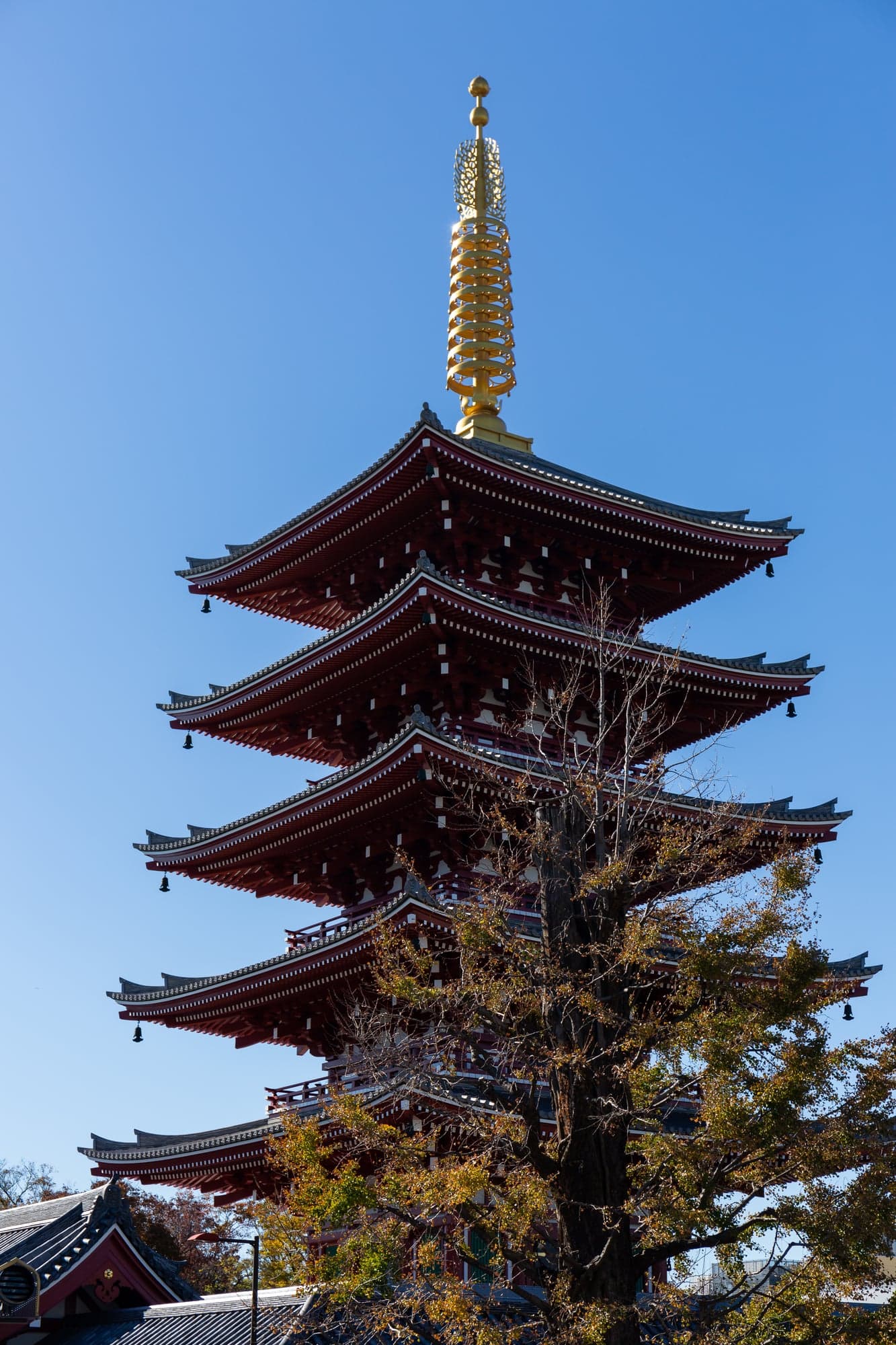
Sensōji è il più antico e famoso tempio buddista di Tokyo, dedicato a Kannon, il bodhisattva della compassione. A Asakusa, è noto per il cancello Kaminarimon, la via dello shopping Nakamise, una pagoda a cinque piani e milioni di visitatori ogni anno.
¥500, con calligrafi che scrivono all'aperto; il goshuincho originale è ¥1.000
Il Meiji Shrine è un santuario shintoista a Shibuya, Tokyo, dedicato agli spiriti divinizzati dell'Imperatore Meiji e di sua moglie, l'Imperatrice Shōken. Il santuario non contiene la tomba dell'imperatore, che si trova a Fushimimomoyama, a sud di Kyoto.
13 diversi goshuin in 10 sale a ¥300 ciascuno, un intero pomeriggio in sé
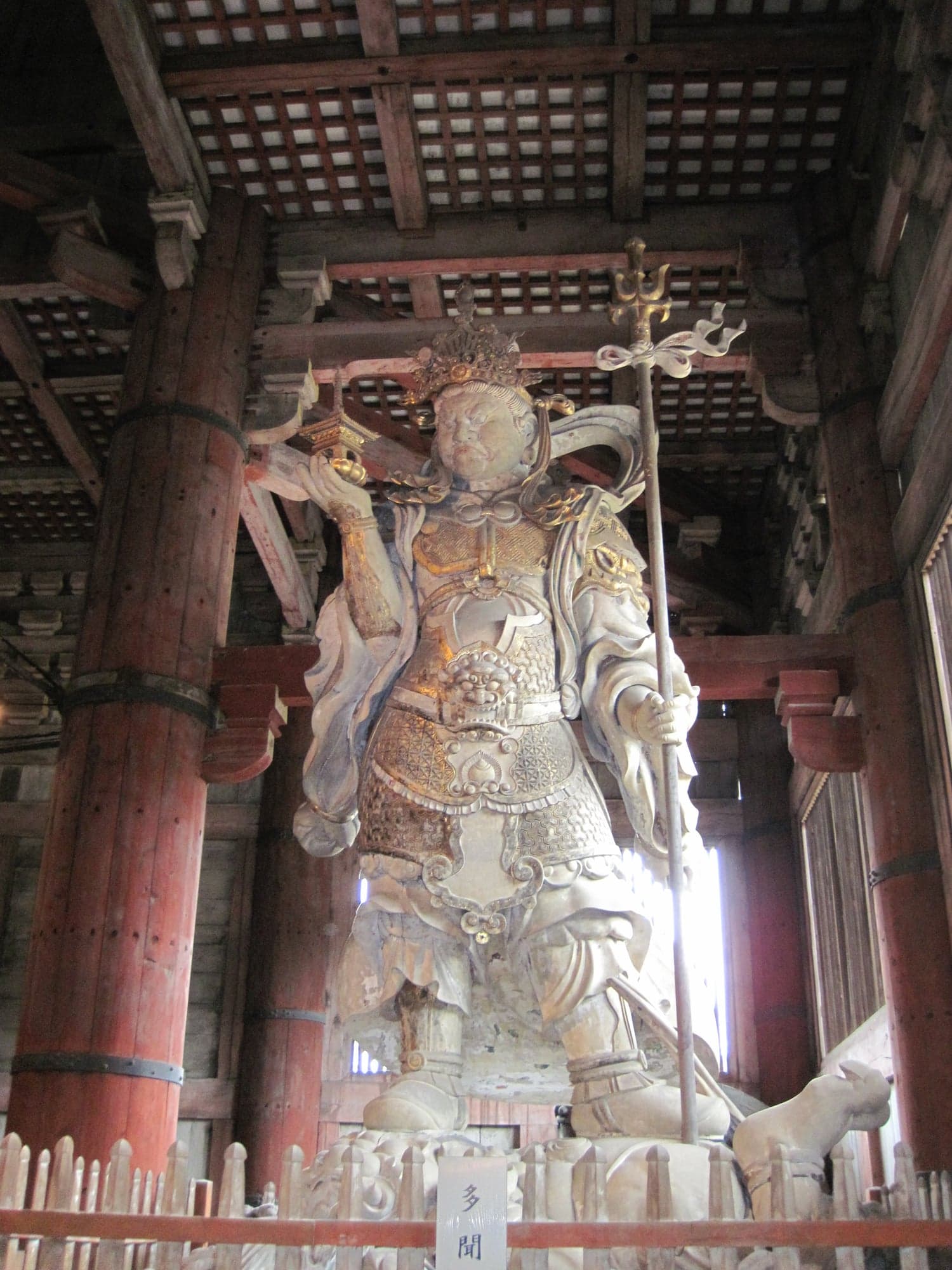
Il Tōdaiji è un complesso di templi buddhisti a Nara, in Giappone, un tempo uno dei Sette Grandi Templi. Fondato nel 738 e inaugurato nel 752, fu costruito per imitare i templi della dinastia Tang e ha subito varie ricostruzioni.
Il pellegrinaggio è dove il goshuin ha avuto inizio, ed è ancora il livello più profondo della raccolta. Nel circuito Shikoku 88 il libro è chiamato nokyocho, gli uffici sono aperti dalle 8:00 alle 17:00, e la tariffa è stata ¥500 per tempio da aprile 2024. I camminatori di Kumano Kodo raccolgono lungo i percorsi antichi, il circuito Bando 33 Kannon attraversa il Giappone orientale, e i percorsi dei Sette Dei della Fortuna su scala cittadina si adattano a una singola mattina di Capodanno. Scegli un circuito e la raccolta smette di essere pagine casuali e inizia a raccontare una storia.
Lascia asciugare l'inchiostro prima di chiudere il libro, e lascia il piccolo foglio assorbente dove lo ha posizionato lo scrittore: l'inchiostro può trasferirsi sulla pagina opposta settimane dopo. I kakioki si incollano con una stick di colla o colla d'amido, mai con nastro adesivo (ingiallisce) o colla liquida (deforma la washi). Conserva il libro lontano dalla luce diretta e dall'umidità; le dimore tradizionali per i libri finiti sono l'altare kamidana o butsudan della casa. Una copertina in vinile, circa ¥400 in qualsiasi cartoleria, protegge gli angoli nello zaino. Quando sei pronto a digitalizzare, la guida alla scansione mostra come funziona.
Quando un libro si riempie, semplicemente inizi il successivo. E se vuoi una prospettiva più ampia di ciò che significano queste pagine: esiste un'antica usanza di posizionare il goshuincho pieno di una persona nella sua bara, una vita di devozione che viaggia con loro.
Domande Frequenti
Un tempio e un santuario possono condividere un goshuincho?▼
Sì, ed è storicamente normale: il Giappone ha fuso il Buddhismo e lo Shinto per secoli (shinbutsu-shugo), quindi mescolare entrambi in un goshuincho è accettabile. Alcuni templi più ristretti preferiscono libri separati, e se accade ciò ti lo comunicheranno semplicemente. Nessuno giudica silenziosamente il tuo libro.
Quanto costa un goshuin?▼
Non c'è una gamma universale: l'importo varia in base al sito e al design, e alcuni goshuin costano ¥1.000 o più. Todai-ji elenca ¥300 e Meiji Jingu ¥500 sulle loro pagine ufficiali a partire dal 2026, mentre i design elaborati e limitati possono costare di più. Controlla l'importo esposto o la pagina ufficiale del sito e porta contanti.
Posso ottenere un goshuin se non sono buddhista o shintoista?▼
Sì. I goshuin sono per chiunque adori con rispetto, indipendentemente dalla tua religione o nazionalità. Inchinarsi, offrire una moneta, prendersi un momento tranquillo: questo è l'intero prerequisito. Il personale dei siti famosi accoglie i visitatori da ogni luogo, ogni giorno.
Quali sono gli orari degli uffici goshuin?▼
All'incirca dalle 9:00 alle 16:00 nella maggior parte degli uffici, più a lungo nei siti principali: Todai-ji funziona dalle 7:30 alle 17:30 nella stagione di punta e l'ufficio di Senso-ji dalle 8:00 alle 16:30. Arriva almeno 30 minuti prima della chiusura, e controlla la pagina ufficiale prima di un viaggio speciale.
Posso usare un quaderno ordinario per il goshuin?▼
No. La carta washi spessa di un goshuincho impedisce all'inchiostro di trasudare, e molti uffici rifiuteranno un quaderno ordinario o un taccuino subito. I libri costano a partire da ¥1.000, e acquistarne uno in un tempio spesso ti dà il suo goshuin sulla prima pagina.
Cos'è il goshuin kakioki?▼
Kakioki (書き置き) sono goshuin scritti in anticipo su carta sciolta: standard quando gli uffici sono affollati, senza personale, o il design è elaborato. Ricevere uno istantaneamente non significa che hai fatto qualcosa di sbagliato. A casa, incollalo con una colla a stick o colla di amido; salta il nastro e la colla liquida.
In quale direzione si apre il goshuincho?▼
Stile giapponese, da destra a sinistra: l'etichetta di copertina si trova a destra quando lo tieni correttamente. Se accidentalmente inizi da dietro, continua. Il lato opposto della fisarmonica è utilizzabile, e gli scrittori vedono libri disordinati ogni giorno.
Un libro può servire l'intera famiglia?▼
Sì. Molte famiglie condividono un singolo goshuincho. Per qualcuno che non poteva venire, chiedi un foglio kakioki da portare a casa invece: è il proxy accettato.
Alcuni templi rifiutano interamente i goshuin?▼
Sì. I templi Jodo Shinshu, inclusi Higashi Hongan-ji e Tsukiji Hongan-ji, non emettono goshuin per questione di dottrina. I templi Nichiren-shu possono scrivere solo i caratteri 妙法 (myoho) a meno che tu non porti un libro dedicato alla loro tradizione. Ricevere un rifiuto riguarda la dottrina, non qualcosa che hai fatto.
Quanto sono lunghe le code?▼
Di solito non c'è coda affatto. I siti famosi sono un'altra storia: Senso-ji distribuisce biglietti numerati e scrive in lotti, Eikando in autunno prende il tuo libro all'ingresso e lo restituisce dopo la visita, e attese di molte ore sono state segnalate a Fushimi Inari nei giorni di punta. Andare presto al mattino risolve la maggior parte dei problemi.
È irrispettoso un goshuincho anime o character?▼
No. I goshuincho con stampa di caratteri sono accettati ovunque; quello che viene rifiutato è un album da disegno o un quaderno ordinario. Quello che conta è la carta washi all'interno, non l'arte della copertina.
È accettabile acquistare o rivendere goshuin?▼
No. Un goshuin certifica il tuo personale atto di adorazione, e la rivendita è presa così seriamente che Asakusa Shrine ha sospeso il suo goshuin speciale nel 2019 dopo la fretta del cambio d'era, e altri santuari ora numerano le loro edizioni limitate per tracciare i reseller. Raccoglili tu stesso; questo è l'intero significato.