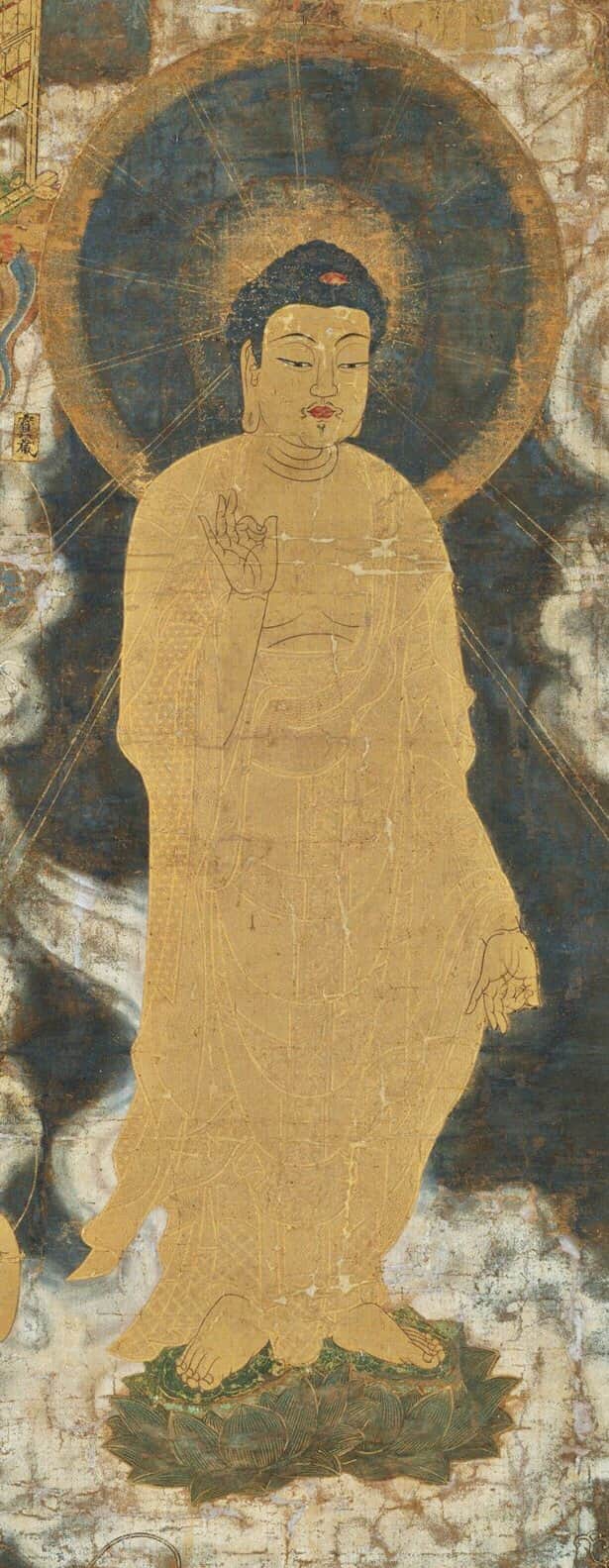
Confirme el Seiganji exacto antes de visitar: este registro sigue el sitio de Google Places en el distrito de Nishi, Saitama (código postal 331-0048), mientras que las fuentes de viajes listan otros templos Seiganji en Japón.
De un vistazo
El famoso monje Eisai, quien introdujo el budismo zen en Japón, se alojó en el Seigan-ji antes de su segundo viaje a China. El único documento superviviente escrito de su puño y letra describe la fundación de este templo y es un Tesoro Nacional.
En su apogeo, el Seigan-ji controlaba más de 1.800 chō de tierra y tenía 42 templos subsidiarios, lo que lo convertía en uno de los templos más poderosos de la región cuando Imazu era un puerto importante que rivalizaba con Hakata.
Este templo ofertas 2 diferentes diseños de goshuin
Igual que el horario de apertura
Regular
Regular
Confirme el Seiganji exacto antes de visitar: este registro sigue el sitio de Google Places en el distrito de Nishi, Saitama (código postal 331-0048), mientras que las fuentes de viajes listan otros templos Seiganji en Japón.
Pruebe la actividad de meditación que consiste en trazar diseños de Budas o Bodhisattvas sobre suave papel japonés, que ofrece una experiencia relajante y de concentración en la tranquila atmósfera del templo.
Tómese el tiempo para apreciar el jardín karesansui único que utiliza musgo en lugar de grava tradicional para representar el agua, y si es posible, visite después de lluvias intensas cuando el jardín acumula agua formando un pequeño estanque para una vista dramáticamente realzada.
Después de explorar el templo y el jardín, visite la cafetería del lugar que ofrece un diseño moderno con excelentes vistas al jardín y sirve refrigerios como pastel de matcha y té verde helado.
Pay attention to the meticulous craftsmanship and woodwork of the temple gate upon entry, and look for the turtle-shaped rock feature with a matsu pine tree representing a crane on its back in the centerpiece garden.
Maintain a quiet and respectful demeanor throughout your visit to preserve the tranquil atmosphere of this heavily forested temple grounds with its ancient trees and solemn shrines.
The temple is located about a 5-minute walk from the Tamatsukuri Onsen spa town, making it easy to combine your visit with a trip to the nearby Tamatsukuriyu Shrine for a fuller cultural experience.
Los espíritus divinos venerados en este lugar sagrado.



Sin confirmar
Nakagyo, Kyoto Prefectura
Más páginas relacionadas con este lugar.
Lo que se cree que concede este lugar
Menos de 300 m Menos de 600 m
El alquiler requiere la app del operador y un número de teléfono japonés. Los pases de un día de docomo se venden en tiendas de conveniencia. Fuentes de datos
6 publicaciones recientes
4.0
1 reseña
Before visiting, confirm you have the right temple: this entry covers the Seiganji in Nishi Ward, Saitama (postal code 331-0048), as several temples share the name across Japan. The grounds are heavily forested with ancient trees, so keep your voice low and your pace unhurried.
At the entrance, pause to look at the woodwork on the gate. The centerpiece garden features a turtle-shaped rock with a matsu pine on its back, representing a crane.
 ES
ESEmma Soanes hizo check-inUbicación confirmada
Seigan-ji
Nakagyo, Kyoto
ESEmma Soanes dejó una reseña