Zulassung
- Adult (18+)Frei
Chiyoda, Tokyo Präfektur
Auf einen Blick
Der Schrein verehrt den rebellischen Krieger Taira no Masakado zusammen mit den Glücksgöttern Daikokuten und Ebisu, eine ungewöhnliche Mischung aus einer gefürchteten historischen Figur und Gottheiten des Wohlstands.
Das schrein Angebote 2 verschiedene Goshuin-Designs
Regulär
¥500
Regulär
Unter 300 m Unter 600 m

A3-08.神田明神(神田神社)
docomo bike share
A3-52.ISM御茶ノ水
docomo bike share
A3-10.芳林公園(北側)
docomo bike share
Für die Ausleihe sind die Anbieter-App und eine japanische Telefonnummer erforderlich. docomo-Tagespässe gibt es in Convenience Stores. Datenquellen
Ausstattung
Einkaufen & Souvenirs
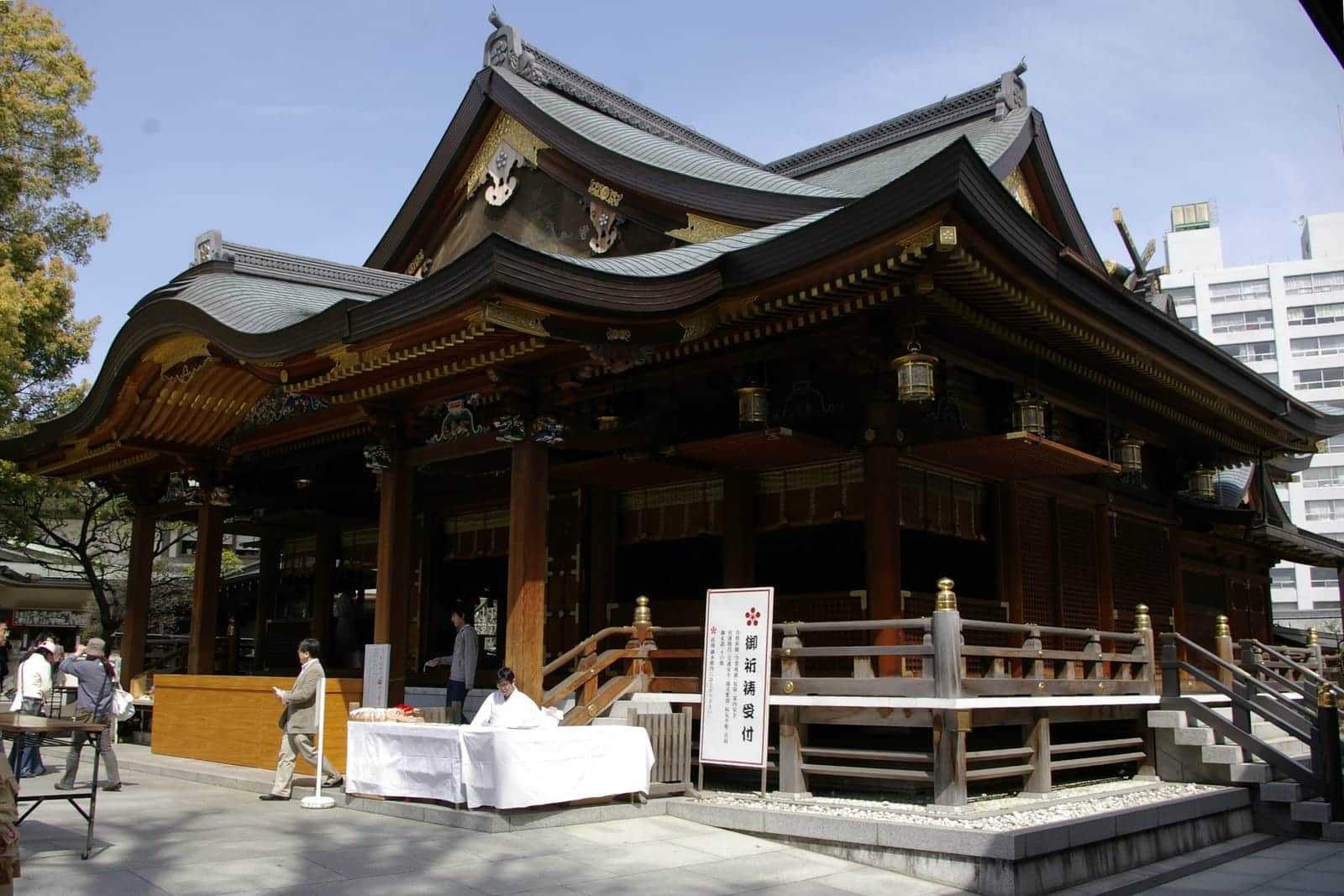
Obwohl der Schrein in einer der teuersten Immobiliengegenden Tokios steht, wurde er aufgrund von Bränden und Erdbeben mehrfach wiederaufgebaut, bewahrt jedoch seine spirituelle Abstammung aus dem 8. Jahrhundert.
Dieser 1.270 Jahre alte Schrein verkauft IT-Geräte-Amulette und ist zu einer Pilgerstätte für Akihabara-Technikbegeisterte geworden, die alte Shinto-Traditionen mit moderner Otaku-Kultur verbindet.
Besuchen Sie den Schrein vom JR-Bahnhof Ochanomizu (5 Minuten zu Fuß) statt von Akihabara, um durch das traditionelle Viertel zu gelangen und den Kontrast zwischen dem alten Schreingelände und dem modernen Tokyo zu erleben.
Achten Sie auf die einzigartigen IT-Geräte-Amulette (Omamori), die Shinto-Tradition mit moderner Technologie verbinden und die Nähe des Schreins zum Elektronikviertel Akihabara widerspiegeln.
Nachdem Sie Ihre Ehrerbietung in der Haupthalle erwiesen haben, erkunden Sie die moderne Kulturhalle EDOCCO auf dem Schreingelände, wo Firmenveranstaltungen und Tagungen abgehalten werden.
Vermeiden Sie Besuche zu Neujahr (hatsumode) und während des alle zwei Jahre stattfindenden Kanda Matsuri Festivals Mitte Mai, wenn die Wartezeiten 60 Minuten überschreiten können.
Shōgun Tokugawa Ieyasu erwies diesem Schrein während der Edo-Zeit persönlich seine Reverenz, was ihn zu einem der wenigen Schreine machte, der sowohl von der Kriegerklasse als auch von gewöhnlichen Bürgern verehrt wurde.
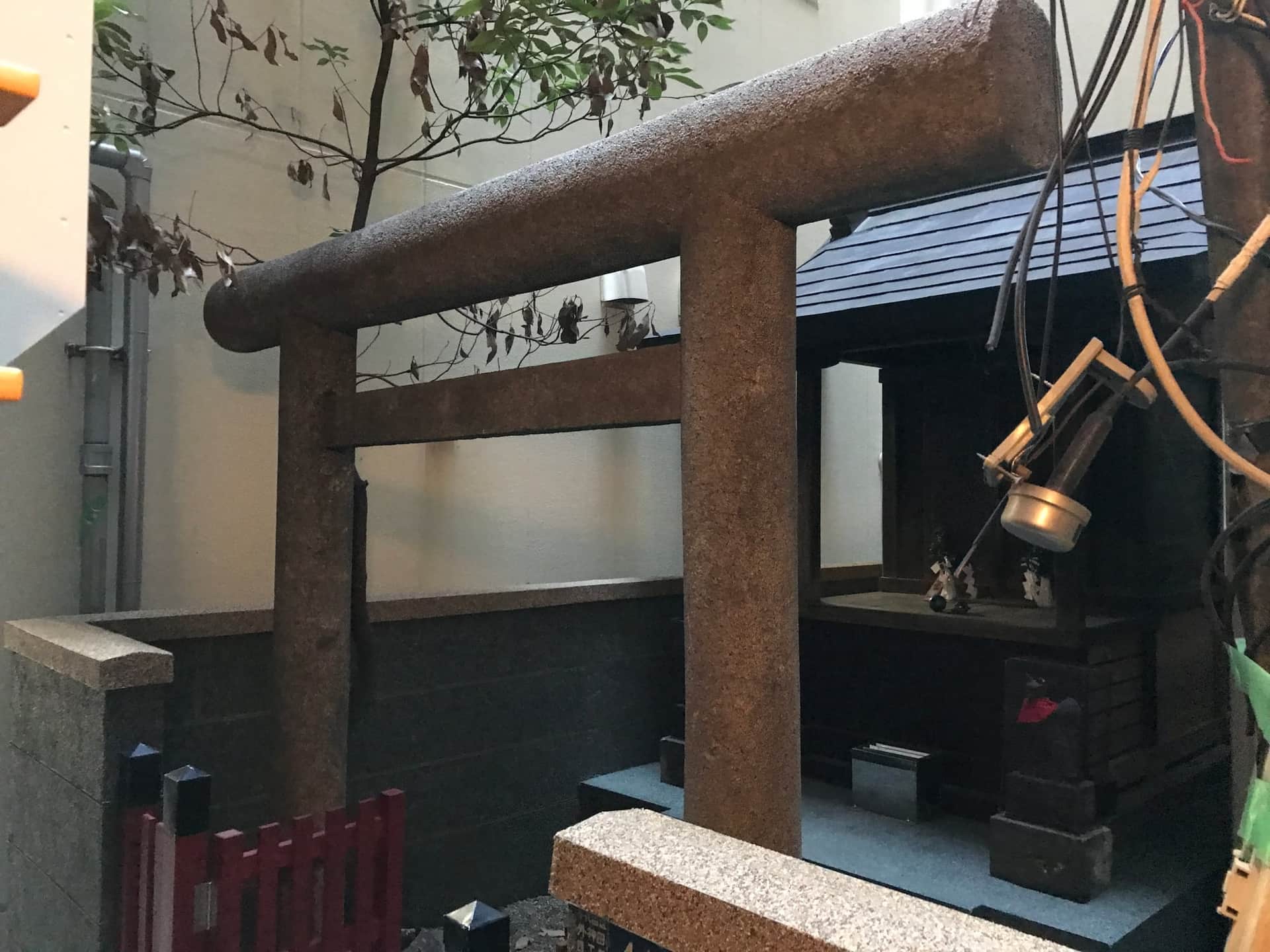
Planen Sie zusätzliche Zeit ein, um das Mizuno Toshikata-Denkmal und andere Kulturgüter auf dem Gelände zu besuchen, da dieser 1.270 Jahre alte Schrein (gegründet 730 n. Chr.) mehrere registrierte materielle Kulturgüter beherbergt.
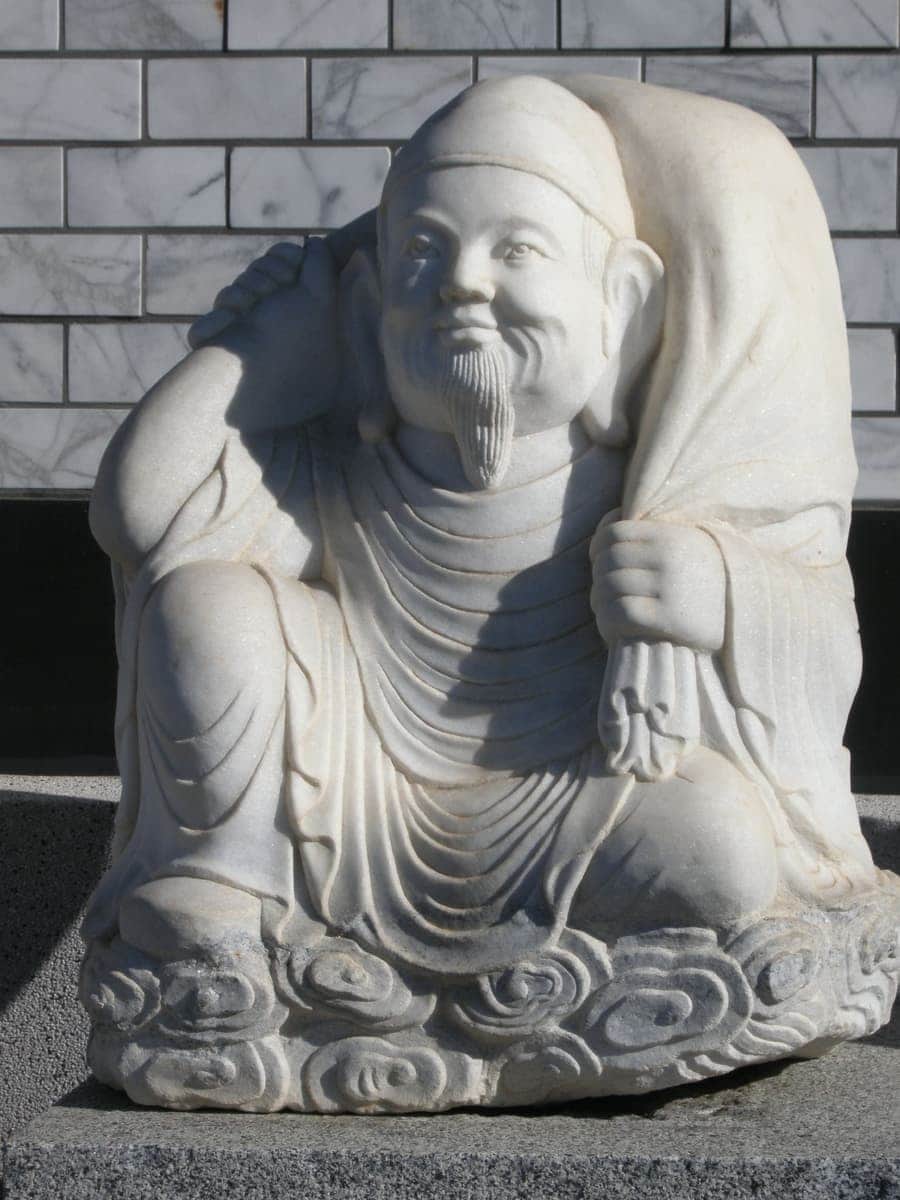
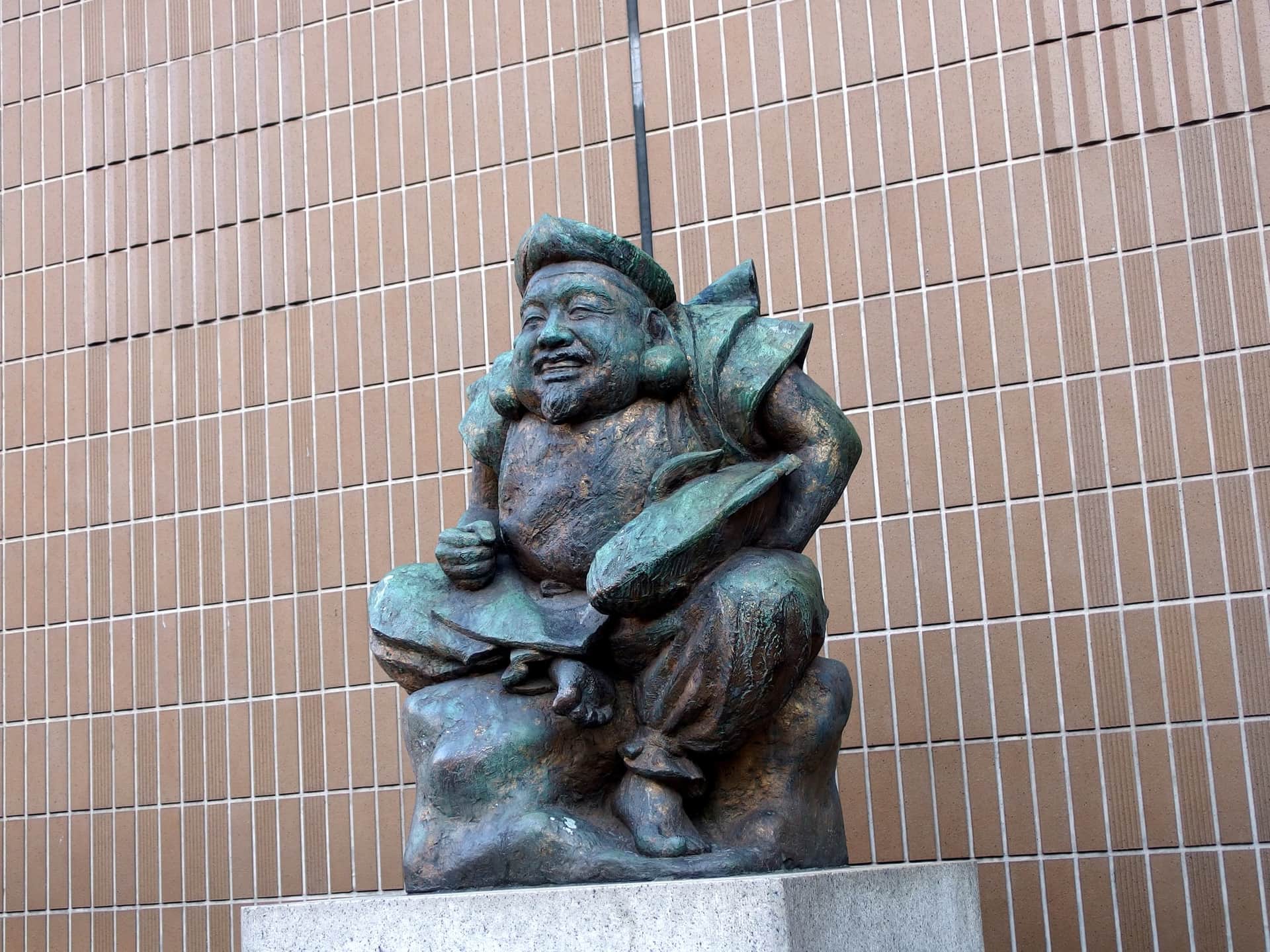
Beachten Sie besonders die hier verehrten Gottheiten, Daikokuten und Ebisu (zwei der Sieben Glücksgötter) sowie den historischen Krieger Taira no Masakado.
4 aktuelle Besuche und Fotobeiträge
Benjamin Jonard hat ein Goshuin geteilt
Maximilian Habsburg-LothringenPro hat eingechecktStandort bestätigt
Maximilian Habsburg-LothringenPro hat ein Goshuin geteilt
500¥, nur vorgezeichnete
Teilen Sie Ihren Besuch, um anderen Reisenden zu helfen.
An diesem heiligen Ort werden die göttlichen Geister verehrt
Was dieser Ort der Überlieferung nach gewähren soll
1 Strukturen auf dem Gelände
Faszinierende Fakten über diesen Ort
Der Schrein verehrt den rebellischen Krieger Taira no Masakado zusammen mit den Glücksgöttern Daikokuten und Ebisu, eine ungewöhnliche Mischung aus einer gefürchteten historischen Figur und Gottheiten des Wohlstands.

Weitere passende Seiten zu diesem Ort.