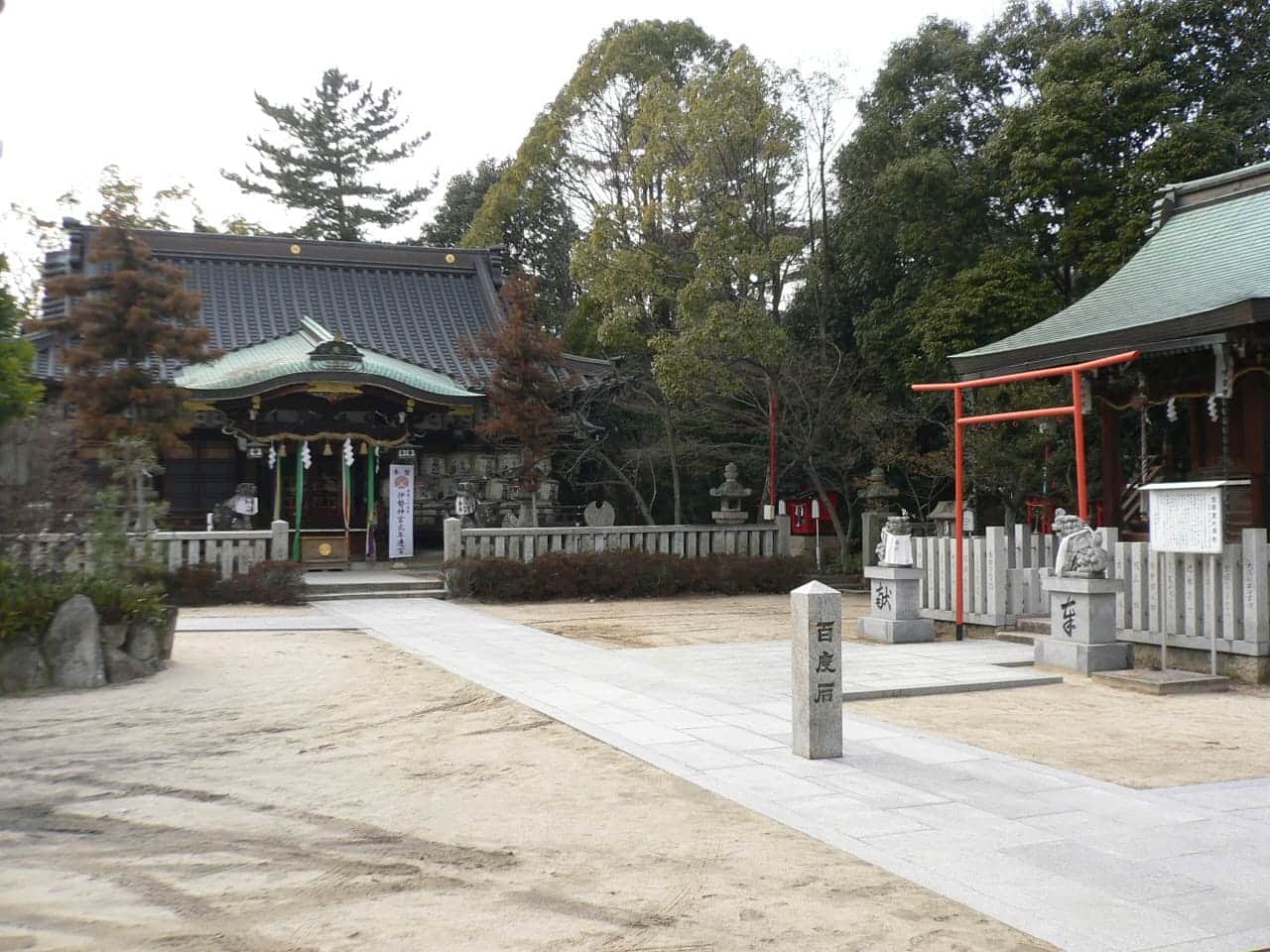
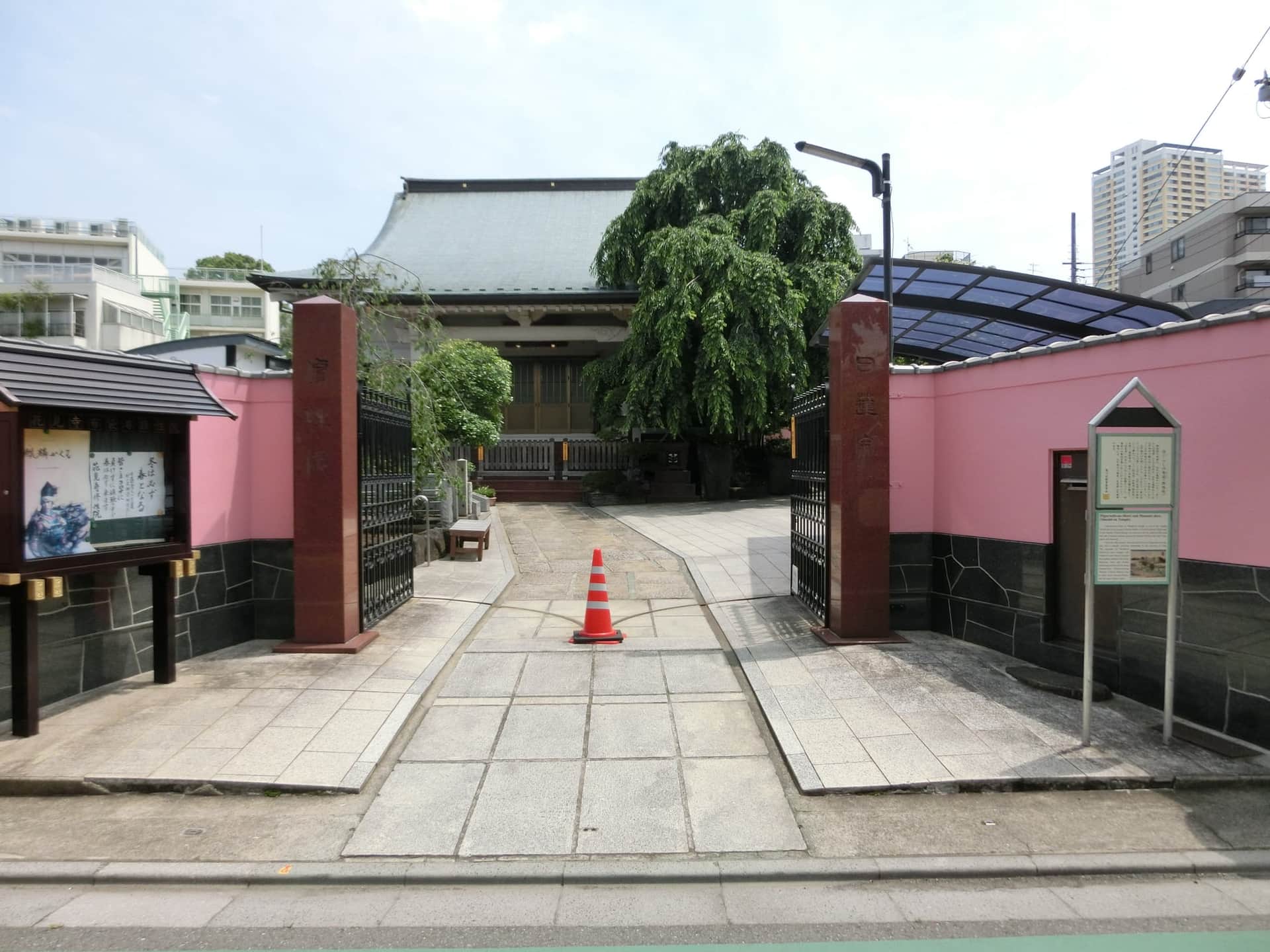
Ogu Hachiman è un santuario shinto nel quartiere Arakawa, a Tokyo, dedicato a Hachiman, il dio della protezione e del patrocinio marziale. Radicato nella storia dell’ex area di Ogu, funge da santuario di quartiere amato all’interno dell’ampia rete di santuari urbani di Tokyo.
Written goshuin (shrine stamps) are available rather than hand-calligraphed ones, and they feature colorful and attractive designs that visitors have praised. Be sure to bring your goshuin book or purchase one if you collect these.
Visit on weekdays during daytime hours to experience the shrine's peaceful atmosphere, when you'll likely see local residents making their regular visits to this community-rooted shrine.
The shrine shares its location with Dairinji Temple, which is located behind the shrine grounds. If you're interested in both Shinto and Buddhist sites, you can visit both during the same trip as they are immediately adjacent to each other.
Don't miss the Itsukushima Shrine located on the left side of the main hall after you finish at the main worship hall. This subsidiary shrine is worth a separate visit within the grounds.
The shrine is located directly in front of Miyanomae Station on the Toden Arakawa Line (Tokyo Sakura Tram), making it extremely accessible by streetcar. If coming from JR Tabata Station on the Yamanote Line, expect about a 20-minute walk.
Despite being squeezed into a small plot along the railway tracks, the shrine maintains an impressive and stately worship hall that defies its compact urban setting.
The shrine shares its neighborhood with Dairin-in Temple, reflecting the historical practice of shinbutsu-shūgō (神仏習合), where Shinto shrines and Buddhist temples coexisted harmoniously.
Located directly beside the Toden Arakawa tram line, this shrine has welcomed visitors at Miyanomae Station since the Nanboku-chō period (1336-1392), making it over 600 years old.
Visitors often report experiencing sudden gusts of wind at the torii gates and at the subsidiary Itsukushima Shrine, which locals interpret as the kami welcoming worshippers.