Visitez la cascade Otowa où trois ruisseaux coulent dans des coupes en métal pour la boisson rituelle. Choisissez-en un seul, car boire aux trois est considéré comme avide. Chaque ruisseau symbolise la longévité, le succès académique ou l'amour.
En bref
Perched dramatically on the forested slopes of Otowa-san (Mount Otowa) in eastern Kyoto, Kiyomizu-dera has been drawing pilgrims, poets, and seekers of the sacred for more than twelve centuries. The moment its iconic wooden stage comes into view above the treetops, it becomes clear why. This is not merely a temple. It is one of Japan's most direct encounters with faith, nature, and architectural nerve, where the ancient and the living sit together so closely that even first-time visitors feel they have arrived somewhere familiar.
The story of Kiyomizu-dera begins in 778 CE, predating the very city it has come to define. This places the temple among an unusually small group, alongside Kōryū-ji and Kurama-dera, of Kyoto institutions that existed before Heian-kyō was established as the imperial capital in 794 CE. The founding therefore comes before the city's own imperial foundations, giving it a spiritual weight later construction could not create. Over more than 1,250 years, the complex has been shaped by fire, reconstruction, patronage, and devotion, building up layer after layer across its broad hillside precinct. Today, the grounds include 15 structures, among them designated National Treasures and Important Cultural Properties, each one a physical record of the centuries that have passed over these slopes.
The architectural achievement that defines Kiyomizu-dera is its celebrated main hall (hondō), which projects outward from the mountainside on a platform supported by 139 pillars of keyaki (Japanese zelkova) timber, assembled entirely without a single nail. This steep, wooden stage projects over the valley below, and it rewards close inspection. The construction technique, known as "kakezukuri" or hanging-style architecture, is among the most sophisticated examples of traditional Japanese carpentry. It is engineered to flex and absorb the stresses of the steep terrain while supporting the hall's weight and the thousands of visitors who have walked its boards across the centuries. The complex is formally known as Otowa-san Kiyomizu-dera, and its 15 structures spread across the precinct of Higashiyama offer a broad survey of classical Japanese religious architecture across multiple historical periods, from the
L'image principale du temple est une statue de Kannon à 11 têtes, conservée comme un hibutsu, un objet sacré caché jamais exposé au public, ce qui en fait l'un des trésors les plus secrets du bouddhisme.
La cascade Otowa à Kiyomizu-dera coule en trois flux séparés que les visiteurs attrapent dans des coupes métalliques à long manche pour une boisson rituelle, chaque flux étant censé accorder différents bienfaits terrestres à ceux qui en boivent.
Ce temple offre 4 designs de goshuin différents
Identiques aux heures d'ouverture
Régulier
Régulier
¥500
Régulier
Régulier
Visitez la cascade Otowa où trois ruisseaux coulent dans des coupes en métal pour la boisson rituelle. Choisissez-en un seul, car boire aux trois est considéré comme avide. Chaque ruisseau symbolise la longévité, le succès académique ou l'amour.
La statue de Kannon à 11 têtes du temple est une image cachée et n’est pas exposée, alors explorez plutôt les halls et espaces rituels accessibles.
La scène en bois de la Grande Salle s'étend sur la colline sur des piliers emboîtés construits sans clous. Promenez-vous jusqu'à la plateforme d'observation en contrebas pour apprécier cette merveille architecturale.
Prévoyez du temps supplémentaire pour explorer le sanctuaire Jishu dédié aux rencontres, situé dans l'enceinte du temple, particulièrement prisé des couples et de ceux qui cherchent la chance en amour.
Le temple se trouve sur les collines orientales de Kyoto, avec des terrains en terrasses. Portez des chaussures de marche confortables pour monter des escaliers et naviguer sur les chemins en pente entre les salles et pagodes.
Les esprits divins vénérés en ce lieu sacré
Lieux liés dans la même enceinte.
17 structures sur le site
Célébrations saisonnières et occasions spéciales
New Year popular festival period
The shrine is particularly popular during New Year, when additional booths fill the grounds with holiday foodstuffs and souvenirs.
Obon popular festival period
The shrine is particularly popular during Obon in summer, when additional booths fill the grounds with holiday foodstuffs and souvenirs.
Affluence typique
Animé
Durée de visite
90+ minutes
Higashiyama, Kyoto Préfecture
Ce que ce lieu est censé accorder
Autres pages utiles liées à ce lieu.
49 publications récentes
4.8
12 avis
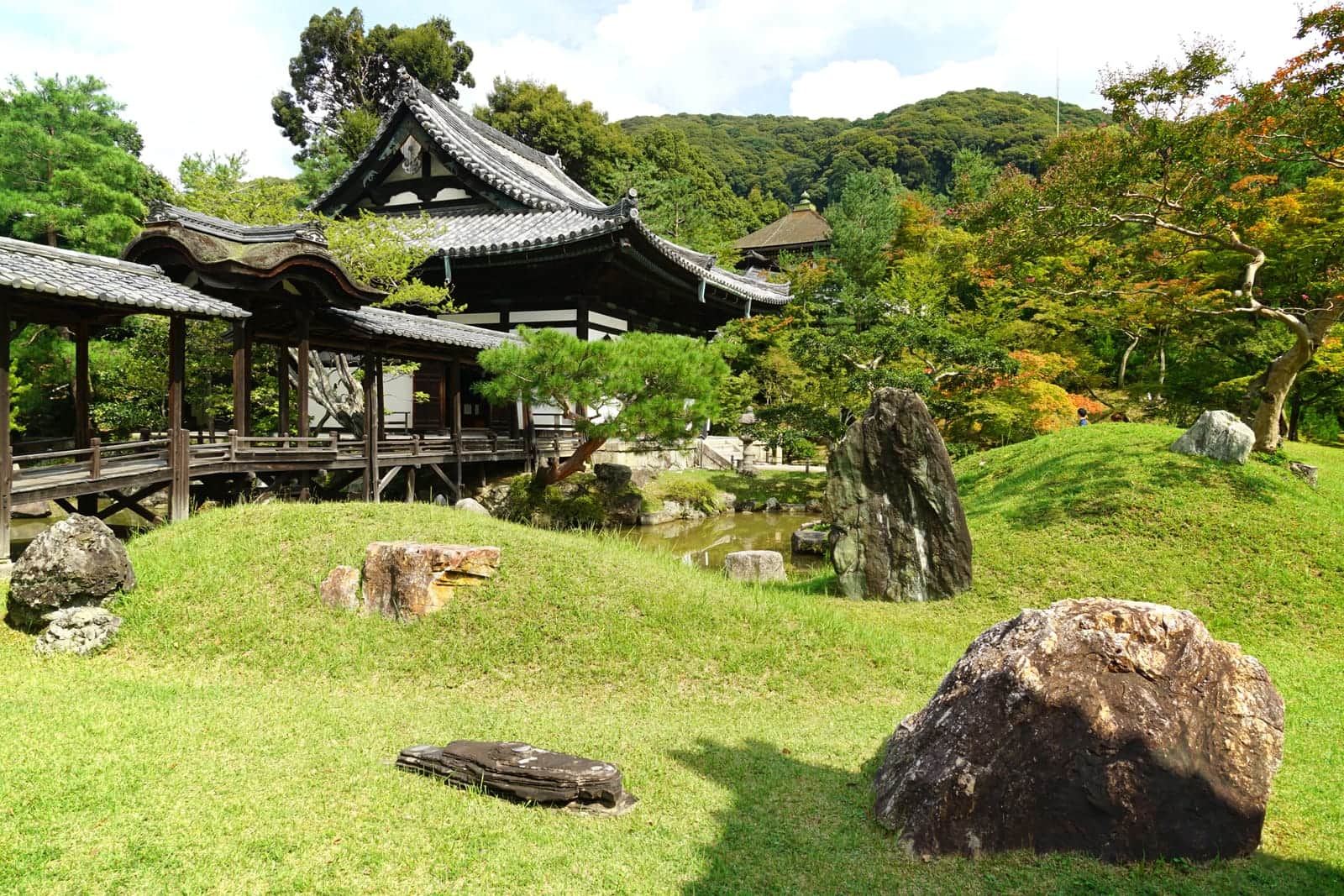
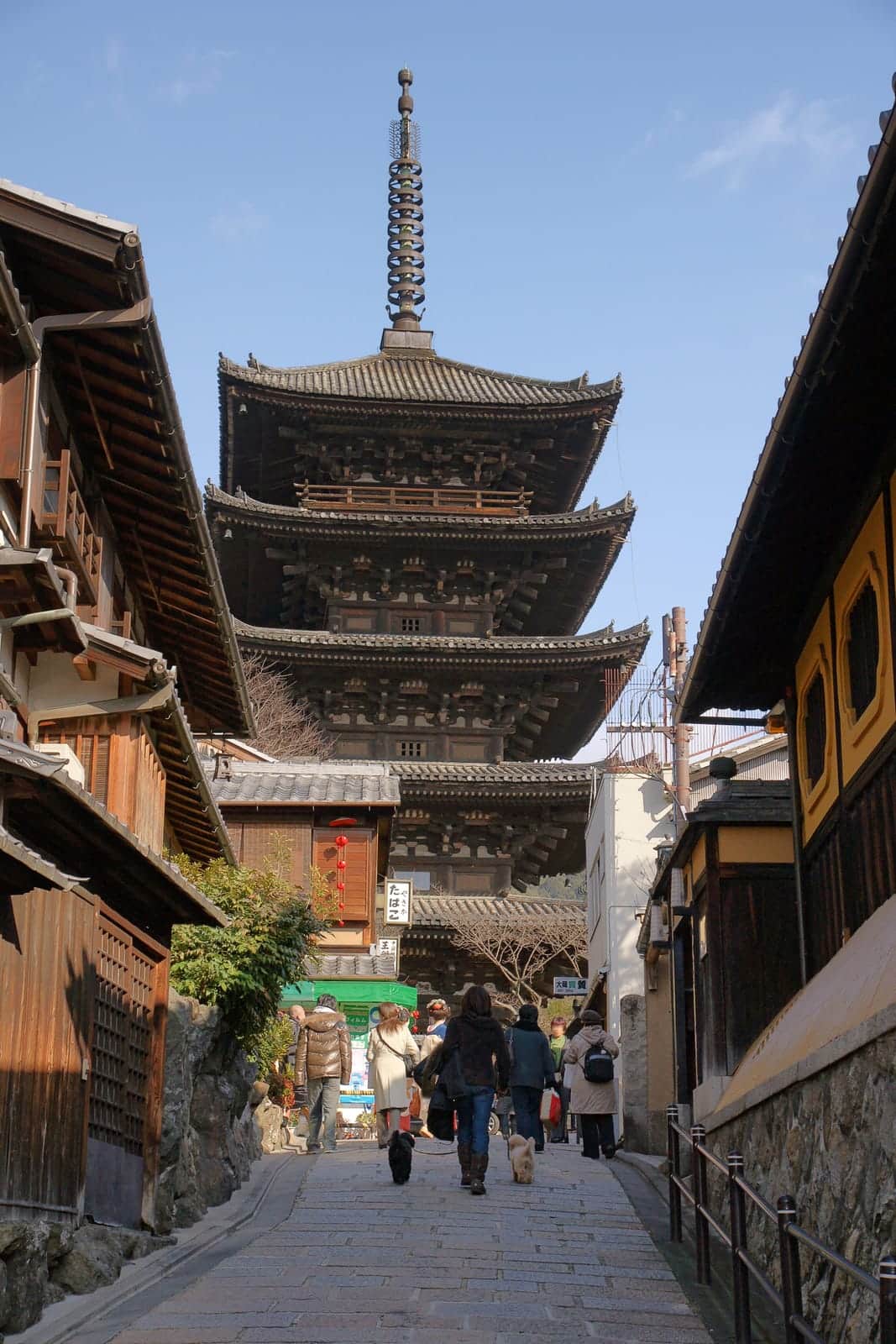
Le Kiyomizudera se trouve sur les collines orientales de Kyoto, alors portez des chaussures confortables. Le site est aménagé en terrasses, avec des escaliers et des chemins en pente reliant les différents pavillons et pagodes. Venez tôt si possible, car le site attire de grandes foules tout au long de la journée.
La scène en bois du pavillon principal s'avance au-dessus de la colline sur des piliers entrecroisés assemblés sans clous. Descendez jusqu'à la plateforme d'observation en contrebas pour voir la structure par en dessous. À la cascade Otowa, trois filets d'eau coulent dans des coupes pour la boisson rituelle. N'en choisissez qu'un seul : la tradition dit que choisir les trois est un signe d'avidité.
Haik HakopyanPro s’est enregistréPosition confirmée
Kiyomizu-dera
Higashiyama, Kyoto
Moins de 300 m Moins de 600 m Distance non disponible
La location nécessite l'application de l'opérateur et un numéro de téléphone japonais. Les pass journée docomo sont vendus dans les supérettes. Sources de données